
In This Post:
Presenters:

Warner Roberts
Chief Commercial Officer
With GLP-1 medications, obesity care has rapidly changed, and it has created new opportunities for improved health outcomes. That significantly challenged employers to look at the bigger strategic picture beyond the primary thought of managing GLP-1 through the lens of drug coverage and cost.
There are multiple levers available to shape a GLP-1 strategy, and understanding how those levers work together can give employers significantly more control over their spending, access policies, and member experience. It involves four distinct levers, each influencing the overall economics and experience of a GLP-1 benefit. And the challenge is that many organizations are only pulling one or two of them, which can leave opportunities and potentially high costs unaddressed.
During our recent webinar, Warner Roberts, Chief Commercial Officer at Calibrate, explored a different approach. The discussion focused on how employers can intentionally design their benefits around access, governance, medication management, funding, and the level of support different populations need. This leads to the next phase of GLP-1 benefit strategy, which may be less about binary coverage decisions and more about intentional benefit design, giving employers greater control through configurable benefit levers while maintaining a standardized clinical operating model.
About Calibrate
Calibrate was built to deliver clinical obesity care with behavior change together in one solution. By using a purpose-built Continuous Authorization approach, they grant GLP-1 access for members who are both clinically appropriate and highly committed to the program. Required coaching and curriculum milestones link ongoing medication access to member engagement.
Active utilization management controls cost and ensures employers get value from every dollar spent on GLP-1s. And members who consistently track see a 17–24% relative improvement in weight loss, showing that active participation itself drives clinical outcomes.

The GLP-1 Challenge: Balancing Three Competing Priorities
For many employers, GLP-1 strategy has traditionally been framed as an either-or decision and leaves out many of the decisions that ultimately determine how a benefit operates.
The GLP-1 conversation extends beyond medication access. Employers can influence who gets access, how access is governed, how medications are managed, how much the employer chooses to fund, and how much support different populations need. And that creates considerably more room for strategic benefit design.
Calibrate frame priorities around three objectives:
- Better clinical outcomes, such as weight loss, medication optimization, and metabolic improvement.
- Better financial control, where employers may be focused on trend management, predictable spending, and funding flexibility.
- A better employer experience, such as easy access, the level of support provided, and an appropriate choice.
These objectives do not always naturally align, and that tension makes benefit design particularly important, distinguishing customization and control.
Employers Don't Necessarily Need More Customization
One of the key messages from the webinar was a distinction between customization and configuration. Employers can configure the benefit around their priorities without changing the underlying clinical model. Rather than creating a different clinical program for every employer, the model allows employers to adjust specific elements of the benefit according to their priorities.
Preserve a consistent clinical model while giving plan sponsors flexibility in areas that directly affect access, cost, and the employee experience.
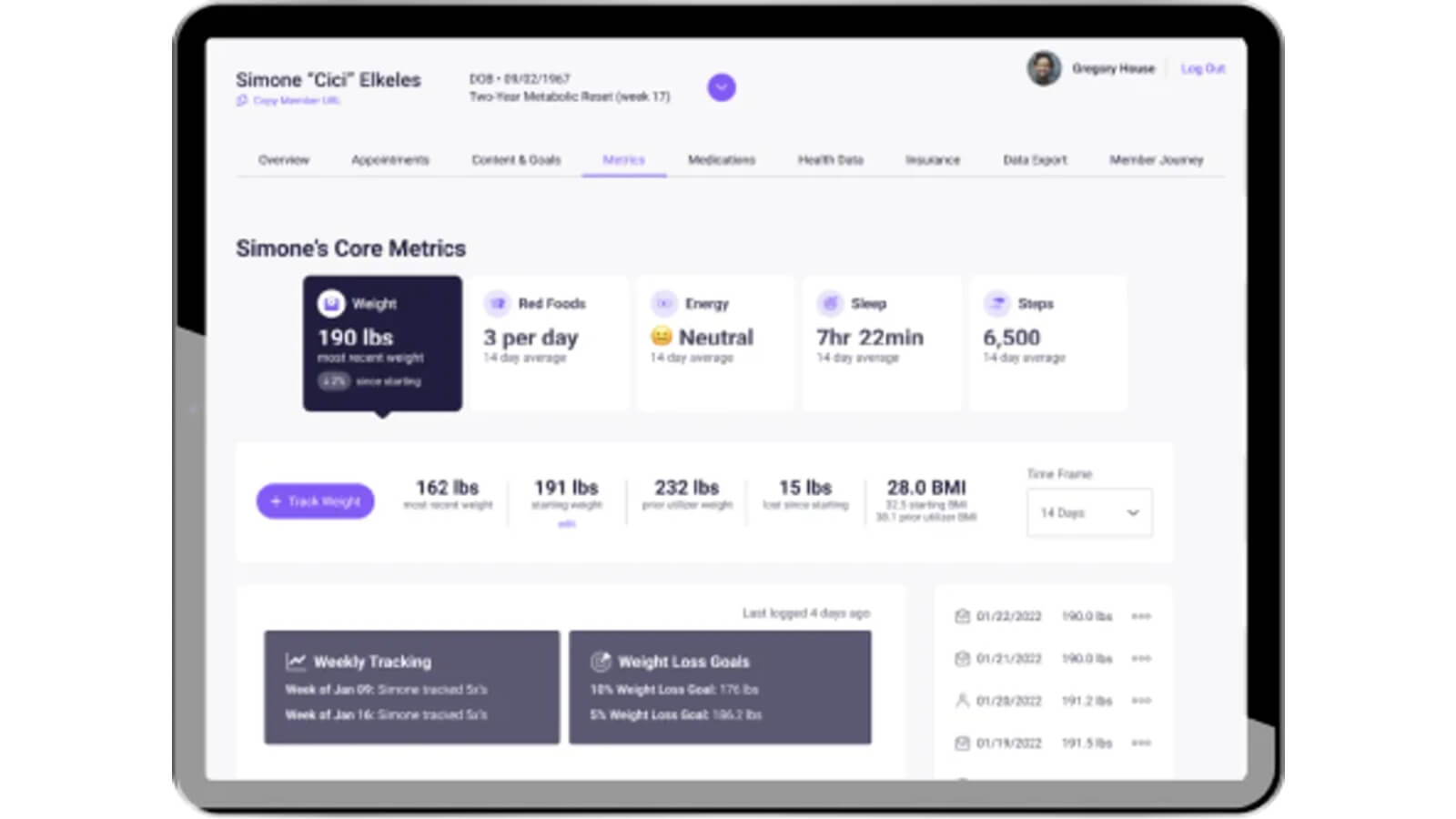
There are multiple points within the benefit design where employers can determine how access and financial responsibility are structured. Configurable levers are important. They allow employers to make deliberate design choices based on their population, financial strategy, and benefits philosophy while retaining a standardized underlying care model.
At the center of Calibrate’s model is clinical care which is combined with one-on-one accountability coaching focused on nutrition, activity, sleep, and emotional health. Continuous visibility into member progress and data allows the clinical team to evaluate how treatment is working over time, ask questions, and make clinical decisions that also translate into financial decisions. That connection between clinical management and financial stewardship is an important part of the GLP-1 conversation.
The Financial Case for a Broader Approach
In the presentation, Calibrate reported approximately $80 million in gross annual medical savings and approximately $35 million in net annual medical cost savings for its commercial segment. It also reported approximately $331 million in current-year GLP-1 drug cost avoidance, resulting in approximately $366 million in total current-year combined cost savings and avoidance.
These figures are Calibrate’s reported results and should be understood in that context. They illustrate the company’s argument that GLP-1 management should consider both medication costs and broader medical spending rather than evaluating the program solely on pharmacy expenditure. For employers dealing with increasing demand for GLP-1 medications, predictable economics require considerations that can become an important part of long-term benefits planning.

Looking Beyond Short-Term Medication Costs
Calibrate reported more than five years of real-world data, including sustained four-year outcomes, and cited reported weight-loss outcomes of 16% at 12 months and 18% at 24 months, along with metabolic improvements. The company also highlighted medication optimization, responsible prescribing, behavior change, and longitudinal evidence as components of its model.
Whether evaluating Calibrate or another GLP-1 solution, employers can use these types of measures to broaden the conversation beyond the initial price of a medication.
Questions around clinical outcomes, medication optimization, utilization management, employee experience, long-term behavior change, and total medical costs can all contribute to a more complete evaluation of a GLP-1 benefit strategy.
Get in touch with Calibrate today!
Seize the opportunity to rethink your GLP-1 strategy and discover the levers that could be missing from your approach. GLP-1 medications have created a complex challenge for employers.
Calibrate suggests another way to approach the problem: focus on control rather than customization. Employers can consider which levers matter most to their organization, from drug access and cost to governance, funding, and program design. They can then align those choices with their priorities around clinical outcomes, financial sustainability, and employee experience.
Employers have multiple design choices available to them. Understanding those choices and what they are actually trying to accomplish can be a starting point for using specific benefit levers, aligning the program with those priorities, and responding to those challenges.
Get more informed conversations about how employers want their benefits to operate. They will likely need strategies that address both today’s cost pressures and the longer-term goal of improving health outcomes.
Get in touch with Calibrate team and discover what may be missing from your GLP-1.
For more information, contact:
Warner Roberts – wroberts@calibratehealth.com
In case you missed it: Log in to access the full Meet A Vendor Presentation!
Not a subscriber? Request access.
Did you find this article interesting?
Don’t keep this knowledge to yourself – share it on your social media channels and spark engaging conversations!