
In This Post:
Presenters:

Reid Rasmussen
Co-Founder & CEO

Mandy Baker
VP of Broker Relationships
Employers are investing heavily in benefits designed to support their workforce – and many include cost containment tools like navigation services and telehealth solutions. Despite adding these tools, healthcare costs continue to climb year after year.
At the same time, employees often delay care or choose higher-cost paths because navigating benefits feels overwhelming. This ongoing disconnect is forcing employers and brokers to rethink how they contain costs without compromising the employee experience.
The solution to both issues is utilization. Employees are often unsure of what they have or how to use it. They either don’t understand the benefits, don’t know how to access them, or simply don’t use them consistently. What they need is a simple, high-touch experience to change their behaviors. That’s the biggest challenge employers are facing right now. The emphasis shifts toward changing employee behaviors, simplifying access to care, and increasing engagement with benefits that actually reduce long-term costs. The right strategies targeting the right behaviors are met with simplicity.
This is where companies like freshbenies are changing the conversation around cost containment. Instead of focusing only on adding more solutions, Reid Rasmussen, Co-Founder & CEO at freshbenies, and Mandy Baker, VP of Broker Relationships at freshbenies, explained to us why many cost containment efforts fail and how to fix them. They shared insight into the 3 common behaviors that impact costs and how to prove ROI with real data.
About freshbenies
freshbenies curates premier cost-containment tools into a single platform, helping improve plan performance and lower healthcare spend. Their team strategically partners with brokers to deliver the right mix of tools for their clients.
Strategic brokers look to freshbenies when seeking a high-touch experience with proven ROI. Every freshbenies use delivers bottom-line savings. That’s why all packages include the freshbenies Member Engagement System to drive industry-leading utilization.
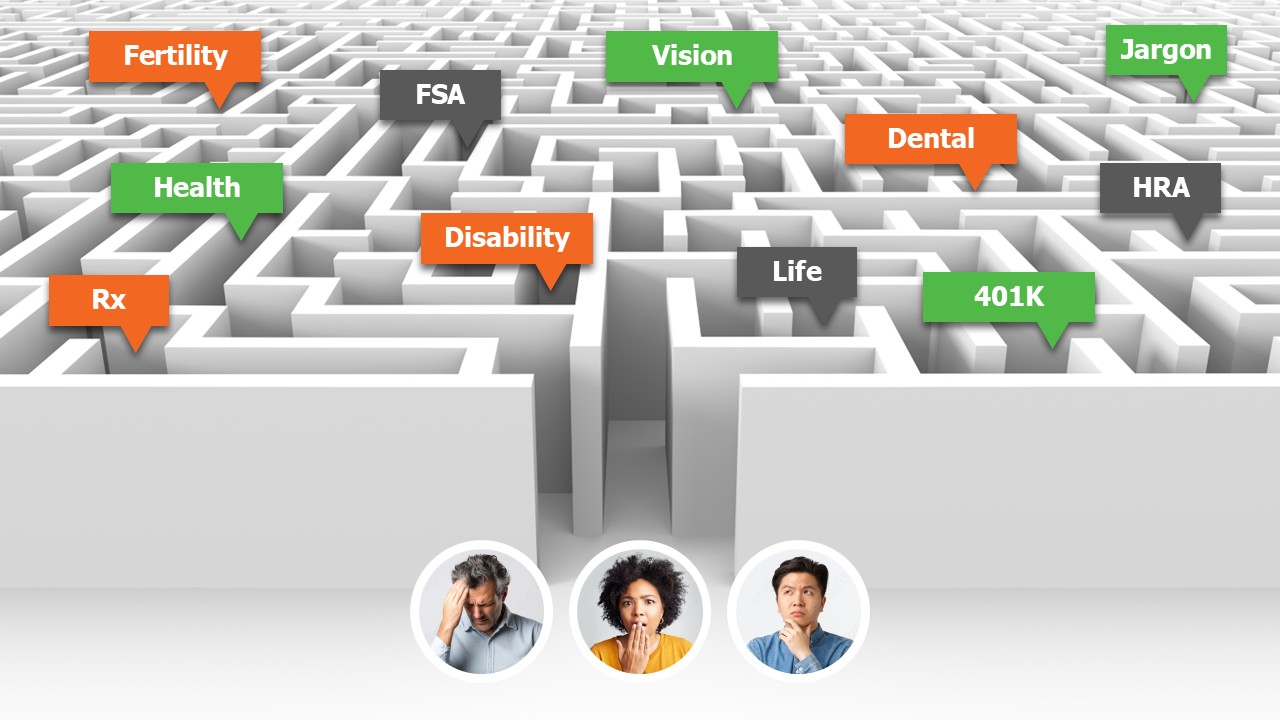
Why Traditional Cost Containment Efforts Often Fall Short
Many healthcare strategies fail because they focus heavily on implementation rather than on employee behavior. Employers may add telehealth, advocacy services, prescription savings programs, or wellness tools to their benefits package, but employees are still overwhelmed by the complexity of healthcare decisions.
Low engagement comes from the confusion and overwhelm of benefits.
When confusion exists, employees usually fall into one of three costly behaviors:
- Delaying care until conditions worsen
- Using high-cost care settings unnecessarily
- Skipping medications due to out-of-pocket costs
These behaviors directly increase healthcare claims, absenteeism, and long-term treatment expenses.
According to the strategy presented by freshbenies, true cost containment only happens when organizations combine the right tools with a simplified, high-touch employee experience that drives ongoing engagement.
The Three Employee Behaviors Driving Healthcare Costs
To better understand the situation, Reid delved deeply, explaining the 3 key areas that strategically impact how employees touch healthcare and what the effective tools are to support those strategies.
1. Inefficient Use of Benefits – guiding care decisions before they become expensive.
Advocacy service directs members to the best-quality providers and supports them with data and pricing so they can make informed decisions rather than aimlessly driving up claims. For employers, this translates into:
- Lower claims costs
- Better provider selection
- Improved employee satisfaction
- Reduced unnecessary healthcare spending
For employees, advocacy creates a much simpler healthcare experience. Instead of guessing where to go for care, they receive personalized guidance that helps them make informed decisions quickly and confidently.
2. Delaying Access to Care – unlock access to care before things escalate.
One of the most expensive patterns in healthcare is delayed treatment. Employees often postpone care because appointments are difficult to schedule (waiting weeks or even months), providers are unavailable, or costs feel unaffordable. And it all leads to increased absenteeism, lower productivity, higher turnover, and costly emergency care utilization.
Behavioral telehealth changes this equation by offering faster, easier access to care. Robust Telehealth options support whole-body virtual care. For example, freshbenies offers 4 types of $0 Telehealth, the hottest of which is Behavioral Telehealth. This creates benefits on multiple levels:
- Employees receive support sooner
- Employers reduce expensive downstream claims
- Organizations improve workforce wellbeing
- ER utilization decreases
The convenience of virtual care also improves utilization rates because employees are more likely to seek help when access is immediate and simple.
3. Repetitive Prescription Spending – groups need new Rx solutions
When employees skip medications due to cost, chronic conditions become harder to manage, increasing the likelihood of hospitalization, complications, and larger claims later. freshbenies offers Zero Rx. It can’t help with those expensive specialty drugs, but this service does provide 1400 drugs at $0 – so you’re actually removing claims volume for the most commonly prescribed medications – chronic and acute. By offering a large selection of medications at no cost to employees, employers can reduce pharmacy claim volume while improving adherence. The long-term impact is significant:
- Better chronic condition management
- Lower downstream medical expenses
- Fewer avoidable complications
- Reduced overall healthcare spending
Simplicity Is the Missing Piece for Utilization
Even the best healthcare tools fail when employees don’t understand how to use them.
Employees are far more likely to engage with benefits when information is easy to understand, access points are centralized, and guidance happens at the moment of need.
freshbenies emphasizes that utilization is the true driver of ROI. Their approach focuses not only on offering healthcare solutions, but also on actively encouraging employee engagement through:
- Member education
- Ongoing communication campaigns
- Human support systems
- Simple onboarding experiences
- Mobile-friendly platforms
- Continuous engagement tracking
This proactive approach helps close the utilization gap that causes many healthcare strategies to fail.
Organizations that prioritize employee engagement often see measurable financial improvements because healthcare savings are directly tied to employee participation.
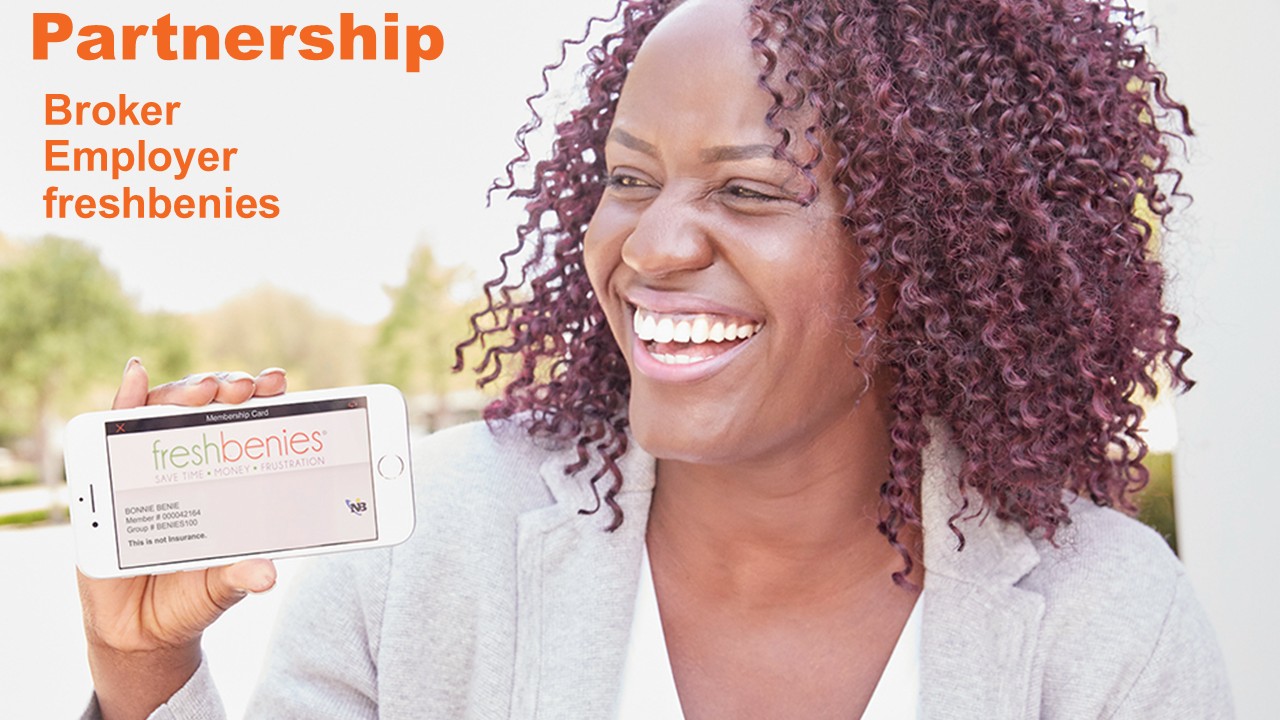
Get in touch with freshbenies today!
The future of healthcare cost containment depends on influencing how employees interact with healthcare every day. Employers and brokers who want better outcomes must shift their focus from simply offering benefits to actively driving utilization and engagement.
When employees understand and use their benefits effectively, healthcare costs become more manageable, outcomes improve, and organizations finally begin to see meaningful ROI from their investments.
The organizations achieving the greatest success are the ones creating the simplest path for employees to engage with the right care at the right time.
For more information, contact:
Mandy Baker – mandy@freshbenies.com
In case you missed it: Log in to access the full Meet A Vendor Presentation!
Not a subscriber? Request access.
Did you find this article interesting?
Don’t keep this knowledge to yourself – share it on your social media channels and spark engaging conversations!