
In This Post:
Presenters:

Jessica Powers
VP, Consultant Relations
How to Cut Healthcare Spend and Prove What's Not Working
Key takeaways from a recent Shortlister webinar featuring Jessica Powers, Vice President of Consultant Relations at Grokker.
Healthcare costs continue to rise, leaving employers under pressure to control spending while maintaining a competitive benefits package.
At the same time, many organizations are struggling to answer a fundamental question: Which benefits are actually driving value—and which investments may be contributing to rising costs without producing meaningful outcomes?
Those challenges were the focus of a recent Shortlister webinar, “How to Cut Healthcare Spend and Prove What’s Not Working,” featuring Jessica Powers, Vice President of Consultant Relations at Grokker. During the session, Powers discussed why many employers are shifting their attention away from adding new benefits and toward improving utilization, engagement, and visibility across their existing benefits ecosystem.
According to Powers, the opportunity to reduce healthcare spend may not come from offering more programs, but from helping employees better navigate and use the investments employers have already made.
The Hidden Cost of Unused Benefits
One theme that emerged during the webinar was the growing concern around benefits utilization.
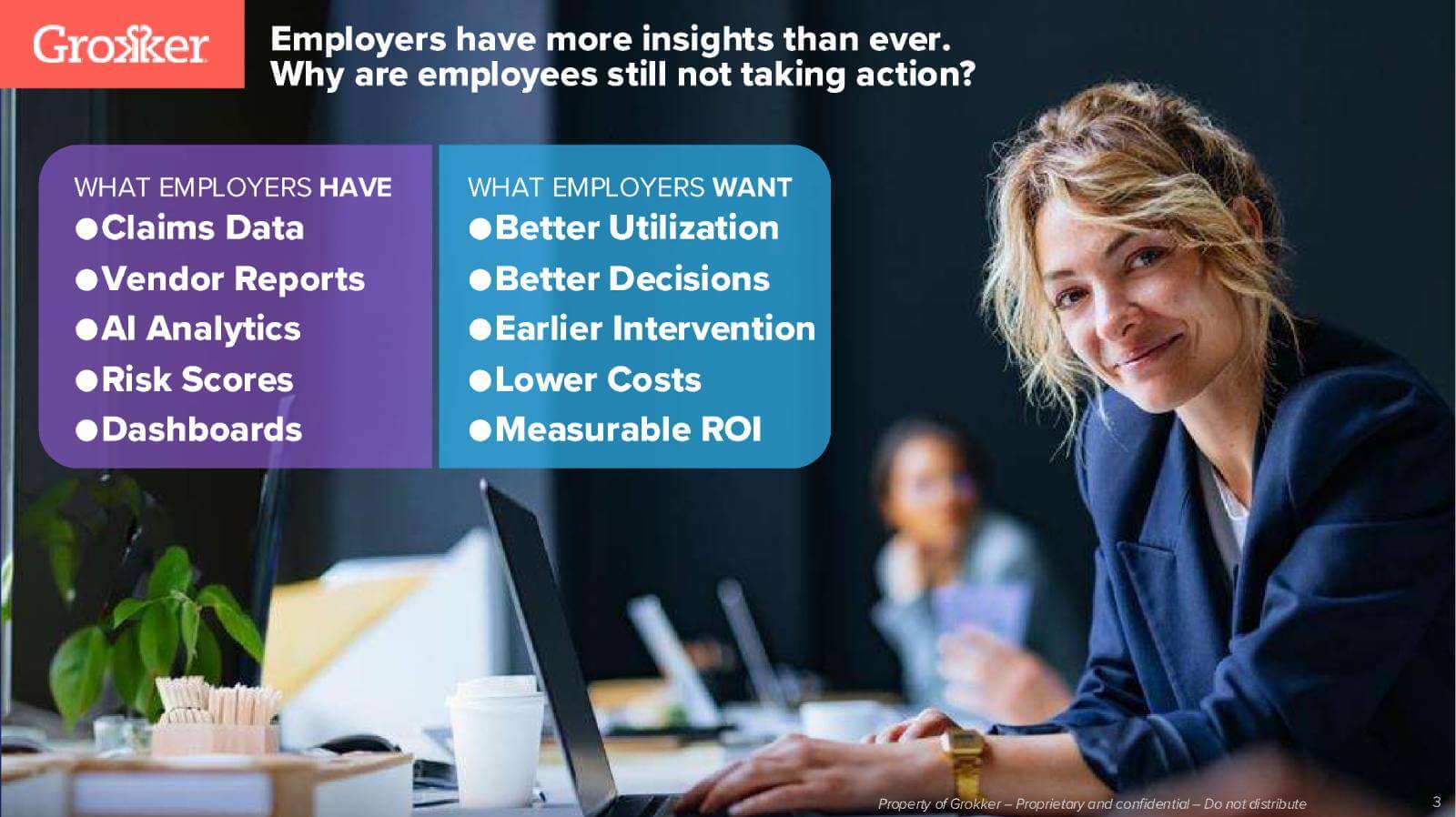
Powers cited research indicating that between 30% and 50% of employer-sponsored benefits go unused each year. While employers continue to invest heavily in wellbeing programs, navigation services, mental health resources, and other offerings, utilization often remains lower than expected.
For employers, this creates an important business challenge. Benefits that are not being used cannot generate meaningful outcomes for employees or return on investment for the organization.
The discussion highlighted several common barriers to utilization:
Navigation: Employees often struggle to determine which resource is most appropriate for their needs and where to access it.
Engagement: Enrollment requirements, communication gaps, and competing priorities can prevent employees from taking action.
Relevance: Benefits information that feels generic or disconnected from an employee’s immediate situation is less likely to drive engagement.
According to Powers, these challenges can contribute to a fragmented employee experience in which organizations continue adding solutions while employees continue struggling to navigate them.
As a result, many employers are beginning to shift their focus from expanding benefits portfolios to improving engagement with the resources already available.
More Benefits Don't Always Mean Better Outcomes
Over the last decade, employers have expanded their benefits offerings in an effort to support workforce health, wellbeing, financial security, and productivity.
However, the webinar suggested that greater choice has also introduced greater complexity.
Employees are often expected to navigate multiple vendors, apps, portals, websites, and communication channels simply to identify the support available to them. Even valuable programs can be overlooked when access feels complicated or disconnected from the employee’s day-to-day experience.
Powers noted that many employers are beginning to ask whether the next investment should be another point solution—or whether the greater opportunity lies in helping employees better utilize existing programs.
This shift in thinking is prompting organizations to look more closely at employee engagement, navigation, and benefits accessibility.
How AI Is Changing Benefits Engagement
The webinar also explored how artificial intelligence is helping employers address one of the industry’s biggest challenges: connecting employees to the right benefits at the right time.
Powers noted that organizations are increasingly evaluating how AI can help employees access information, navigate benefits, and take action more efficiently.
Rather than requiring employees to search through multiple systems, AI-powered tools can help connect individuals to relevant resources based on their questions, needs, and circumstances. The goal is to reduce friction and simplify the employee experience.
For example, an employee seeking support for stress, sleep issues, musculoskeletal pain, or benefits eligibility could receive guidance tailored to their situation and be directed to appropriate resources available through their employer.
Many of these interactions begin as low-acuity moments—a question about stress, sleep, back pain, benefits eligibility, or where to find support. Traditionally, employees either do nothing or enter a more expensive care pathway than necessary. By providing immediate answers, expert-led guidance, and personalized “Now, Next, Later” pathways, AI can help employees address issues earlier, close gaps in care, and connect with the right benefits before problems become more complex and costly.
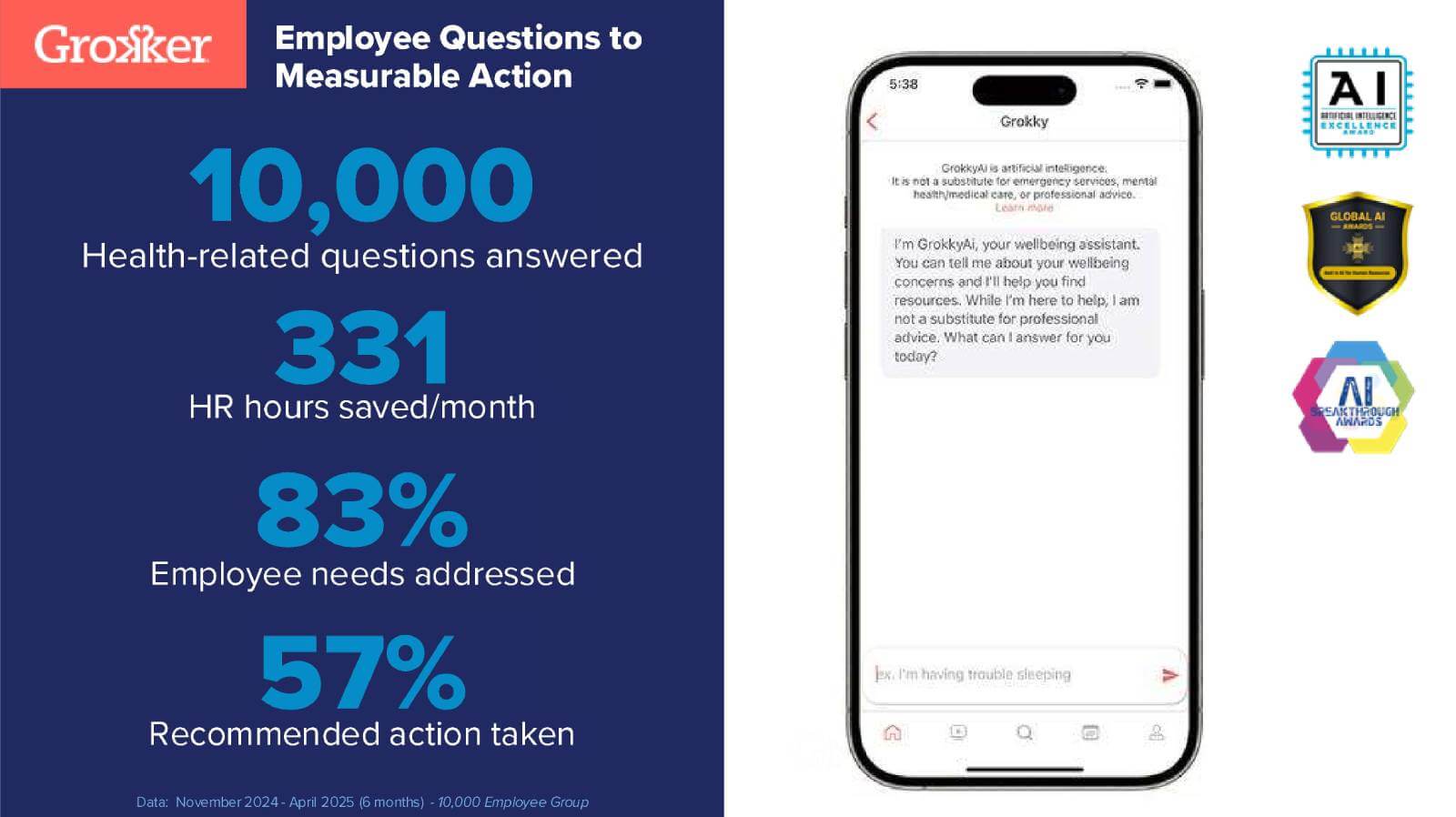
Powers shared an example from a 10,000-employee organization where AI-enabled benefits navigation produced measurable results over a six-month period:
- 83% of employee needs were successfully addressed
- 57% of recommended actions were taken
- 331 HR hours were saved per month
- More than 10,000 employee questions were answered
For Powers, these results highlight a broader opportunity: helping employees find the right support earlier may improve utilization, reduce unnecessary friction, and ultimately help employers get more value from the benefits they already offer.
Measuring What's Actually Working
Another key topic discussed during the webinar was the challenge of measuring benefits performance.
Many employers receive reports from individual vendors, but these reports often provide only a partial view of employee engagement and outcomes. Without a broader perspective, it can be difficult to determine which investments are driving value and which may be underperforming.
According to Powers, employers are increasingly looking for visibility into:
- Benefits utilization
- Employee engagement
- Behavioral changes
- Healthcare utilization patterns
- Cost avoidance opportunities
- Productivity improvements
- Overall return on investment
The discussion suggested that organizations are moving beyond traditional lagging indicators and exploring ways to capture more timely insights into employee needs and behaviors.
This shift is creating new opportunities for employers and consultants to evaluate benefits performance more holistically and identify opportunities to improve outcomes without necessarily increasing spending.
Powers also shared an example indicating that organizations with 10,000 employees could potentially generate between $1.2 million and $2.5 million in annual impact by improving utilization of existing benefits and helping employees make more informed decisions in real time.
The Bottom Line
The healthcare benefits landscape appears to be entering a new phase.
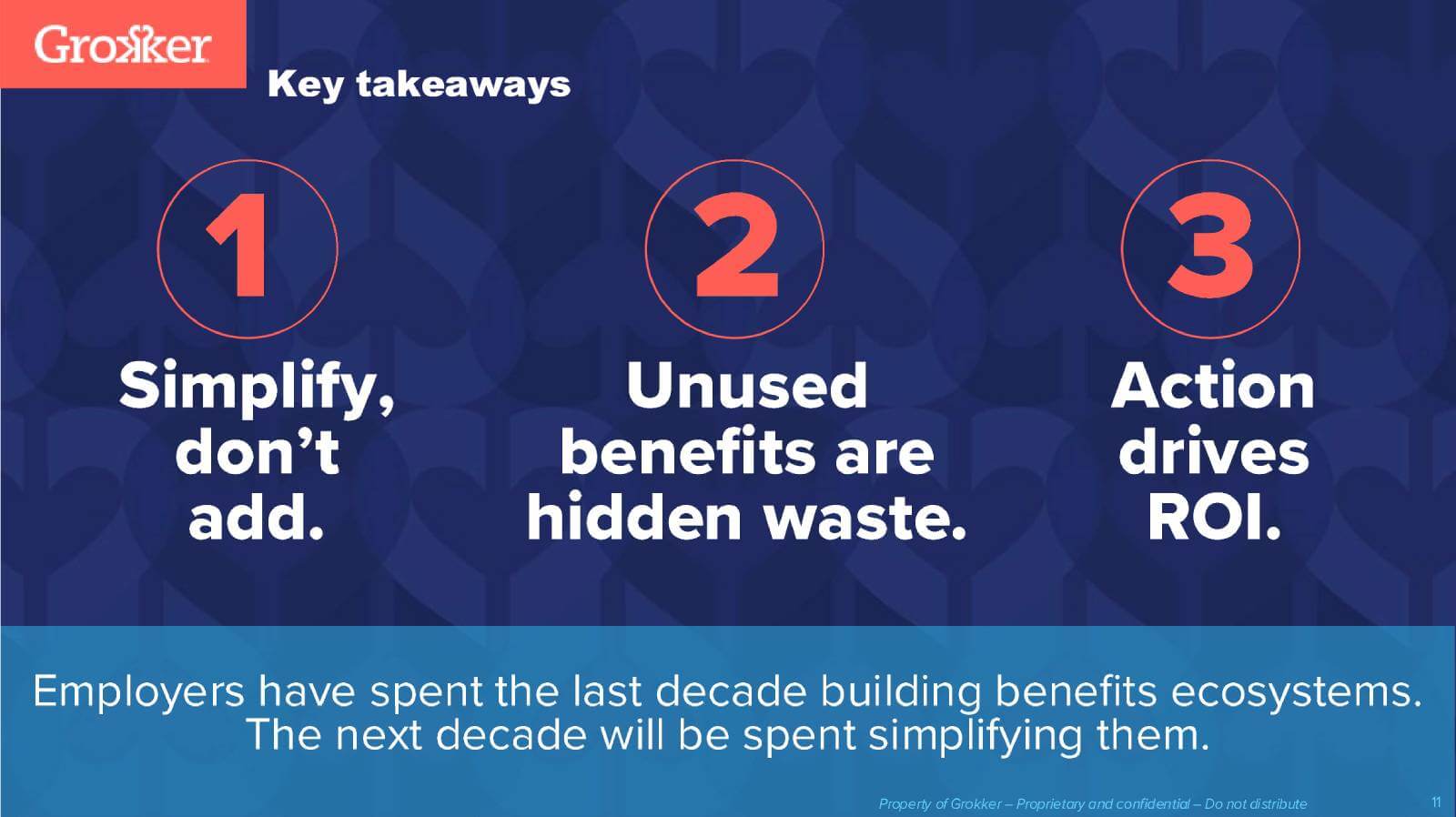
For years, many employers focused on expanding their benefits portfolios to address a growing range of employee needs. Today, the conversation is increasingly shifting toward helping employees make better use of the resources already available to them.
Employees want simpler experiences. HR teams want measurable outcomes. Employers continue to face pressure to control costs while supporting workforce wellbeing.
As highlighted throughout the webinar, meeting these expectations may require more than adding new programs. It may require reducing friction, improving navigation, and creating more personalized pathways to support.
Powers concluded that the opportunity for employers is not necessarily to add more benefits, but to make existing investments easier to access, understand, and use. Organizations that can close the utilization gap and create a more connected employee experience may be better positioned to improve outcomes, demonstrate ROI, and identify which investments are truly driving value. As healthcare costs continue to rise, that visibility may become just as important as the benefits themselves.
About Grokker
Grokker is a HIPAA-compliant AI health tech solution that integrates award-winning, expert-led wellbeing content with agentic intelligence. It helps employees better understand and use their benefits, reduces healthcare costs, and transforms wasted benefits spend into a healthier, more productive workforce.
For more information, contact:
Jessica Powers – jpowers@grokker.com
In case you missed it: Log in to access the full Meet A Vendor Presentation!
Not a subscriber? Request access.
Did you find this article interesting?
Don’t keep this knowledge to yourself – share it on your social media channels and spark engaging conversations!