
In This Post:
Presenters:

Dana Baker
Senior Director

Brent Westra
Director
As cancer diagnoses rise and treatment costs continue to increase, organizations are searching for more effective ways to support employees. Beyond the emotional and physical toll on employees and their families, cancer is also driving unprecedented increases in employer healthcare spending. It affects organizations on multiple levels.
That’s why many organizations are turning to Centers of Excellence (COEs). Employers need solutions that do more than simply navigate care. One area that stands out are Centers of Excellence with specialized programs that connect patients with highly experienced providers, advanced diagnostics, multidisciplinary care teams, and innovative treatments to improve outcomes and reduce unnecessary spending.
During the webinar, Mayo Clinic Complex Care Program leaders Dana Baker, Sr. Director, and Brent Westra, Director, explored how COEs are transforming cancer care to find a solution to address employers’ complex care conditions through precision diagnosis, specialized treatment pathways, and cost-effective care delivery. The discussion highlighted why more employers, consultants, and TPAs are adopting COE strategies to better manage one of the largest drivers of healthcare costs.
About Mayo Clinic
The Mayo Clinic Complex Care Program is a part of Mayo Clinic, the #1 hospital overall, and their Center of Excellence Program has been around for over 25 years, partnering with employers, brokers, payers, and case management organizations to find a solution to address employers’ complex care conditions.
Mayo Clinic helps minimize costs while getting patients exactly the care they need. At their campuses in Arizona, Florida, and Minnesota, teams of the world’s leading experts from every medical specialty and subspecialty work together to ensure the best possible outcome for each patient.
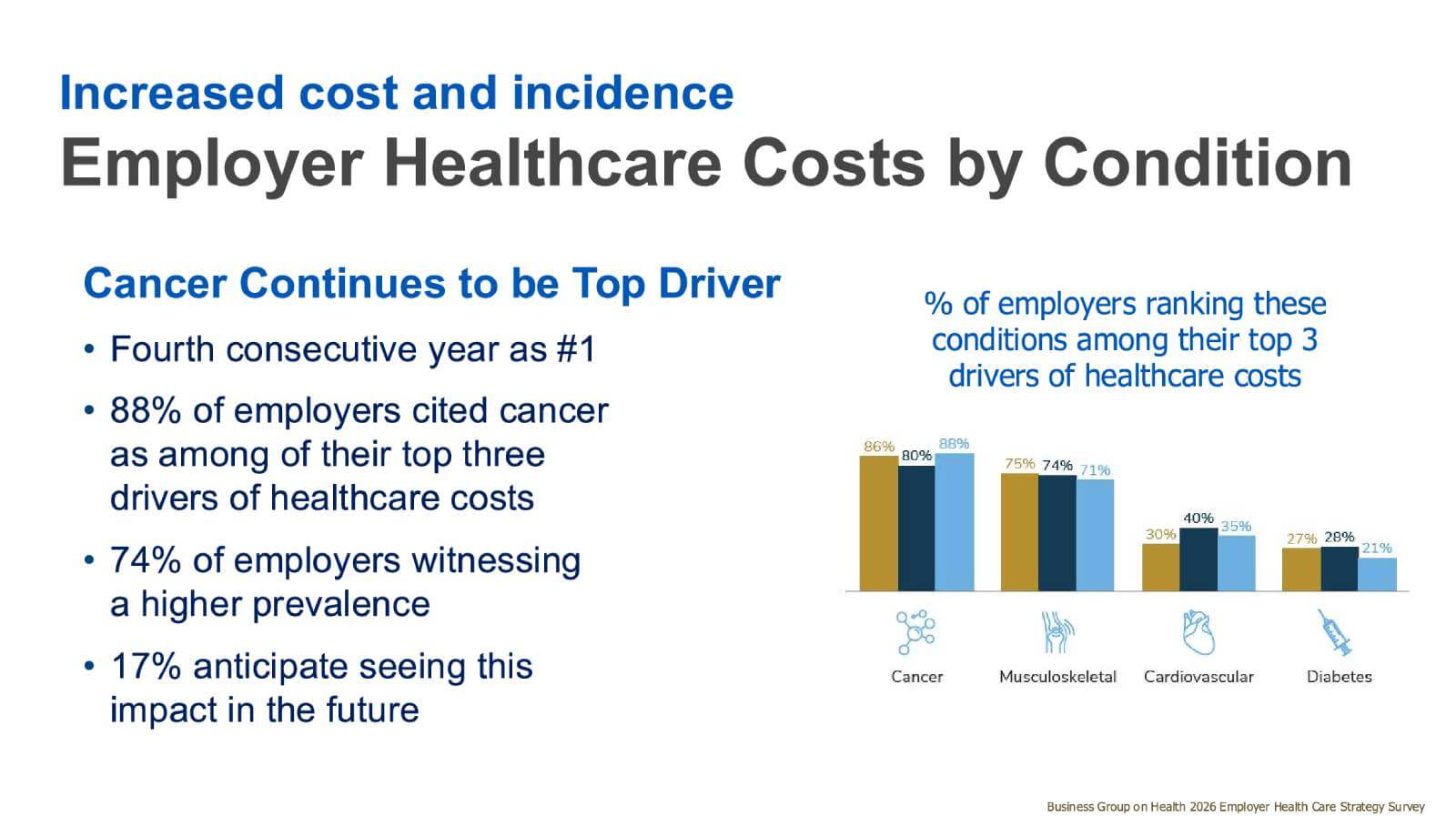
Cancer Costs Increased for Employers
Healthcare cancer spending remains one of the leading contributors to that trend. Employers are not only seeing higher treatment expenses, but also a growing prevalence of cancer diagnoses among employees and dependents.
Nearly 88% of employers identified cancer as one of their top three healthcare cost drivers, while 74% reported seeing increased cancer prevalence within their populations. So, how to ensure employees receive the best possible care without allowing costs to spiral out of control?
Why Cancer Care Requires Specialized Expertise
There are more than 200 distinct cancer types, along with countless subtypes that respond differently to treatment approaches, and each case involves unique genetic markers, tumor locations, staging complexities, and patient-specific considerations. This complexity shows that cancer is not a single disease. And that is why accurate diagnosis and specialized expertise are essential. Otherwise, it can lead to unnecessary procedures, delayed care, poor outcomes, and significantly higher costs.
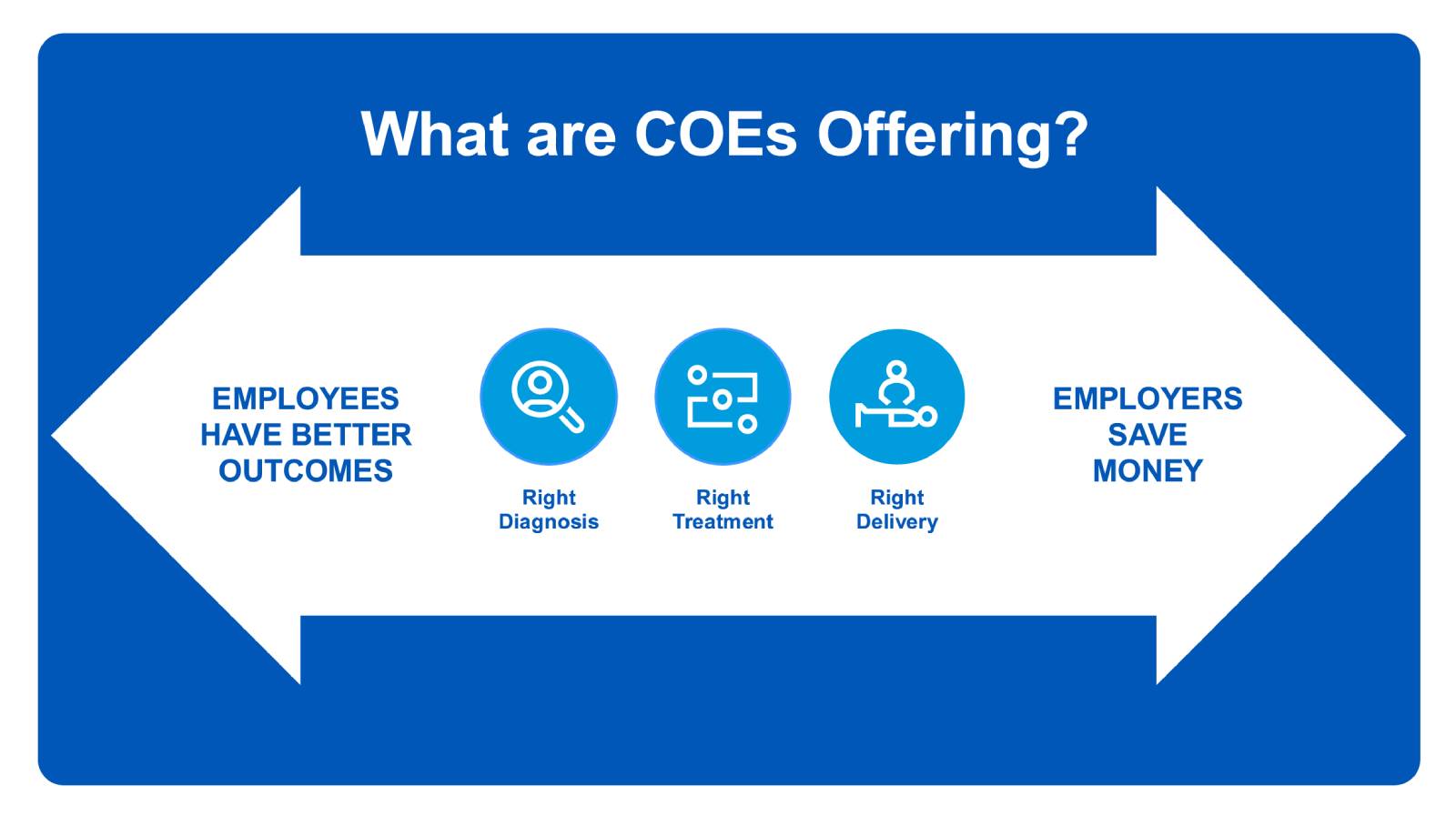
Centers of Excellence bring together highly specialized oncologists, radiologists, pathologists, surgeons, and care coordinators who focus on complex conditions every day. The three core components that define successful COE cancer programs are:
- The right diagnosis
- The right treatment
- The right delivery model
When these elements work together, employers can improve clinical outcomes while reducing avoidable healthcare spending.
How COEs Improve Cancer Outcomes and The Financial Impact of COE Programs
One of the greatest strengths of COEs is their ability to deliver more accurate diagnoses. It is well known that specialized radiologists and pathologists who focus on specific cancer types are often better equipped to detect subtle findings or identify uncommon disease presentations. This expertise directly impacts treatment decisions.
In many cases, COEs can recommend minimally invasive procedures, shorter treatment durations, or alternative therapies that reduce complications and recovery times.
The outcomes of Mayo’s COE highlight that 40% experienced a change in diagnosis, and 73% experienced a change in treatment plan. This shows how often patients benefit from additional expert review. For some individuals, the changes were life-changing.
Employers often assume that accessing elite cancer specialists and advanced treatment options will increase costs. But reality shows otherwise. COEs frequently reduce overall spending by:
- avoiding misdiagnoses
- eliminating ineffective treatments and
- minimizing complications or repeat procedures.
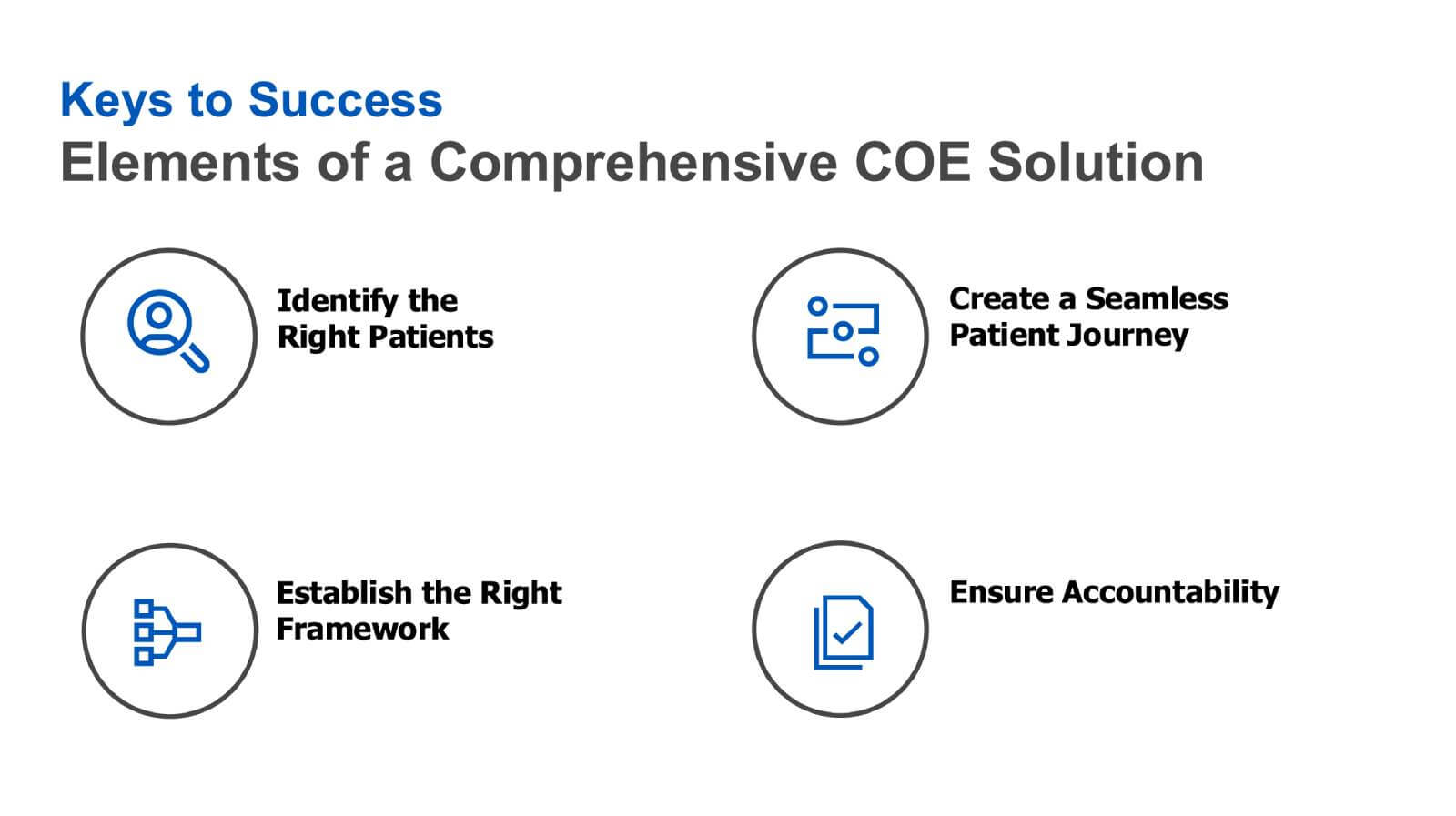
Implementing a successful COE program requires more than simply offering access to specialized providers. When employers proactively educate employees about COE programs, they will for sure gain higher engagement rates and improved outcomes by creating a framework that supports patient navigation, accountability, and seamless care coordination.
Strong communication and integration with existing benefit ecosystems are essential. Employees need clear guidance on when and how to access COE resources, especially during emotionally overwhelming diagnoses.
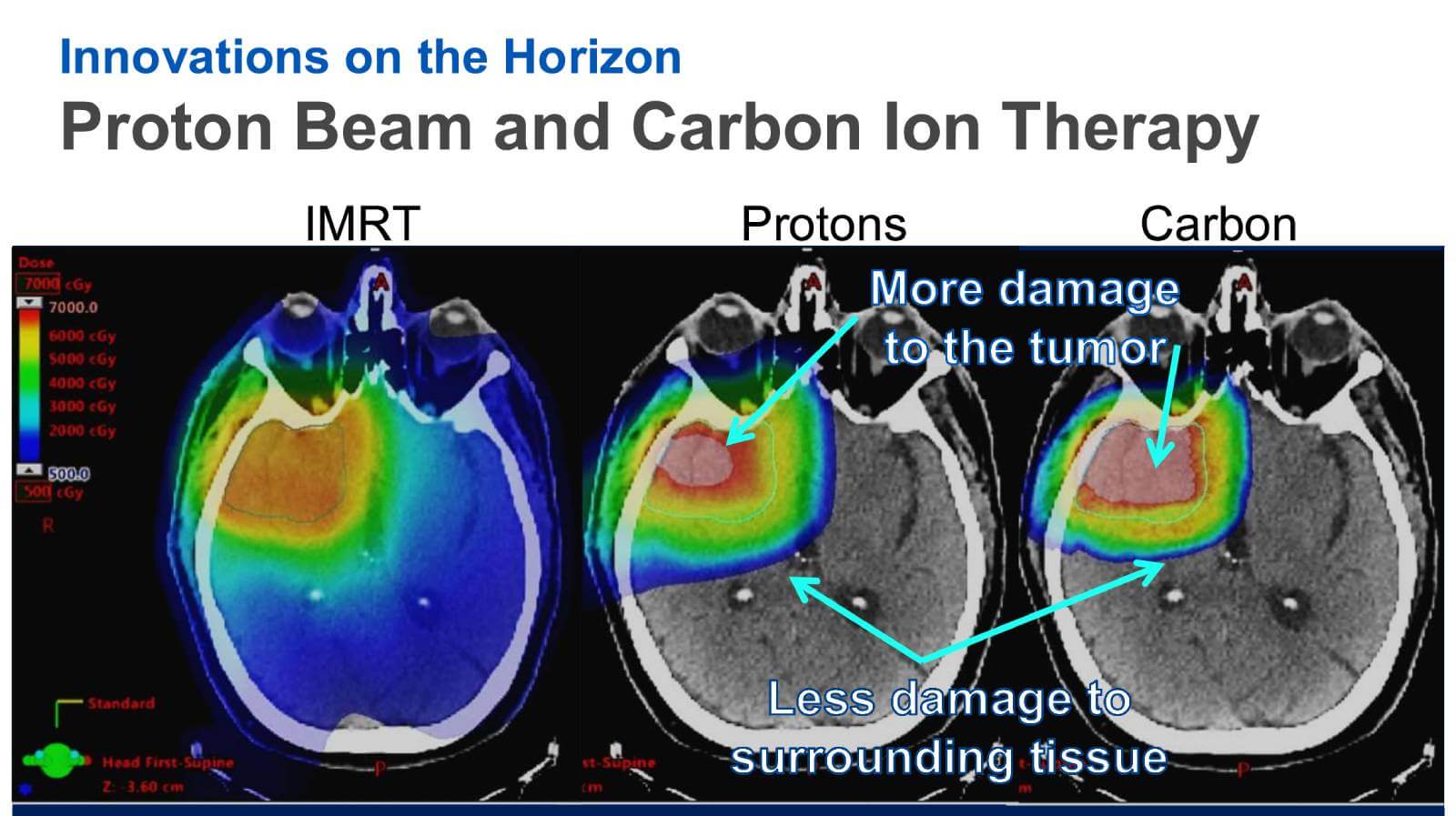
Innovations Are Reshaping Cancer Care
In addition to applying cutting-edge treatments today, knowing what the innovative cutting-edge treatments or things are going to be in the not-too-distant future are good to know. One promising advancement is carbon ion therapy, a highly targeted radiation treatment that delivers energy directly into cancer cells while minimizing damage to surrounding tissue. Experts believe it may be even more effective than proton therapy for certain resistant cancers. Mayo Clinic plans to open the first carbon ion therapy center in the Americas in 2028.
Artificial intelligence is also transforming cancer detection. Researchers are developing AI models capable of identifying pancreatic cancer on routine abdominal CT scans up to three years before clinical diagnosis. Since pancreatic cancer is often discovered in advanced stages, earlier detection could significantly improve survival rates.
Another innovation gaining attention is chemotherapy delivered at home. By combining remote monitoring, virtual care, and in-home clinical services, providers can help patients avoid long travel times and extended infusion center visits while improving quality of life during treatment. Early feasibility studies have shown promising safety results.
These innovations demonstrate how COEs are improving care today and also shaping the future of oncology treatment.
Get in touch with Mayo Clinic today!
Centers of Excellence offer a powerful alternative by combining specialized expertise, innovative treatment strategies, and coordinated care delivery. As the webinar demonstrated, these programs can improve diagnoses, enhance treatment outcomes, reduce unnecessary procedures, and generate substantial cost savings.
To learn more, please reach out to:
Dana Baker – Baker.Dana@mayo.edu
Brent Westra – Westra.Brent1@mayo.edu
In case you missed it: Log in to access the full Meet A Vendor Presentation!
Not a subscriber? Request access.
Did you find this article interesting?
Don’t keep this knowledge to yourself – share it on your social media channels and spark engaging conversations!