In This Post:
Presenters:

Sarah Flint
Director of Consultant Relations

Elizabeth (Liz) Entin
Director of Consultant Relations
When it comes to metabolic health, most solutions focus on information or intervention. Countless weight management programs tell us what to eat, maybe how much to move, or perhaps what medication to take. Many people decide for themselves and experiment with eating less to improve their weight and overall health. But these effects are usually short-lived once normal eating resumes. Organizations and individuals are in constant search for sustainable solutions that fit their busy lives and truly enhance health outcomes.
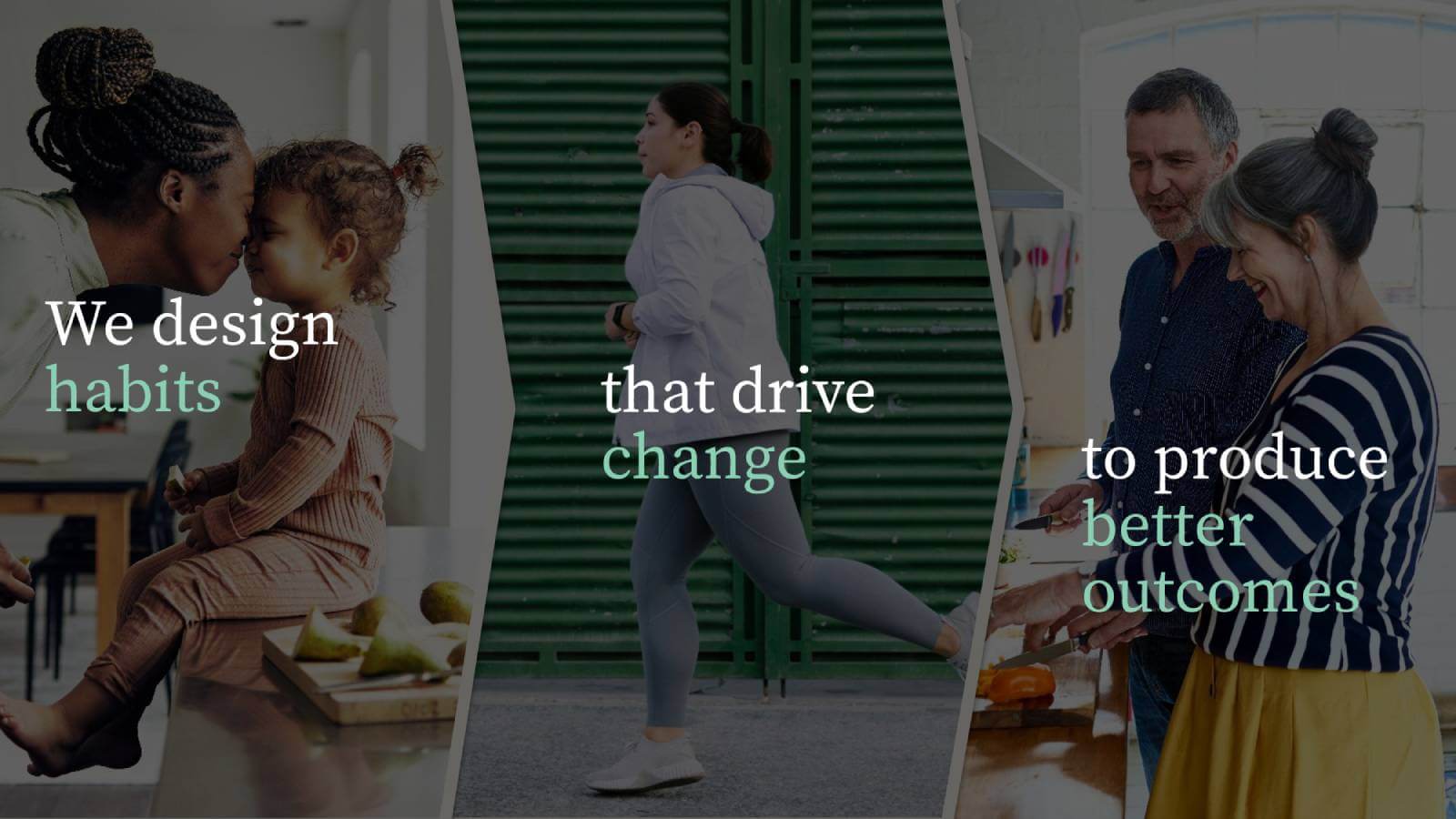
When people know what to do, sustainable outcomes come from consistently doing it. And this long-term progress is something many people struggle to maintain. It requires a deep understanding of human behavior and the psychological factors that influence decision-making. And that’s where Noom operates best. Noom designs behavior change as a foundation of care.
We welcomed Elizabeth (Liz) Entin, Director of Consultant Relations at Noom, and Sarah Flint, also Director of Consultant Relations at Noom, to show us that behavior is driven by cognition, identity, emotional regulation, and habits that run automatically in the background of our daily lives. This is where behavior-change-driven health models are transforming the way Noom approaches metabolic health and chronic disease prevention.
About Noom
The Noom program is grounded in behavioural science and various behaviour change models. They are all designed to build intrinsic motivation, self-efficacy, and autonomy. Instead of asking people to rely on willpower, Noom helps them recognize their thought patterns, navigate through various triggers, regulate their stress, and then take small, achievable actions that build momentum.
Change really happens through small wins that reinforce identity and empower people to live healthier lives through behavior change and fostering long-lasting positive habits.
Whether it’s prevention, chronic condition management, or medication support, Noom’s reshaping the decision-making process itself, at the core. And when that thinking changes, behavior then follows, and when behavior stabilizes into a true habit, outcomes don’t just improve, but they last. So Noom wasn’t built on a single theory, but an integrated behavioral architecture.

Fragmented Nature of Traditional Health Programs
Many traditional wellness and healthcare programs operate in silos. A person may receive separate guidance for weight loss, diabetes management, medication adherence, or nutrition counseling. While each program may be effective on its own, the fragmented nature of care often creates confusion and inefficiencies.
For example, someone managing weight might participate in a weight-loss program while also receiving guidance for diabetes prevention. Meanwhile, medication management might be handled by a separate pharmacy benefit provider, and mental health support might be yet another service entirely. These disconnected approaches fail to recognize that health behaviors are deeply interconnected.
If the underlying patterns around food, activity, sleep, stress, and adherence don’t change, those costs don’t disappear. They just shift to a different area. So you might see short-term improvements in one area, but risk resurfaces somewhere else.
Instead of layering point solutions on top of each other, Noom’s integrated metabolic solution positions behavior change as that connective tissue across the entire metabolic spectrum. That’s what allows prevention, condition management, and medication support to really work together, instead of competing for impact.
What’s missing from many programs is a unified strategy centered on behavior change.
Why Behavior Change Is the Foundation of Health
For many vendors, behavior change is positioned as a support feature, something that might sit alongside the real intervention. But for Noom, it is the care model.
Psychology and behavioral science show that lasting health improvements occur when people develop intrinsic motivation, the internal desire to adopt healthier habits because they align with personal values and goals. Simply telling someone to “eat better” or “exercise more” rarely works long-term.
Discharge is not the finish line. It’s the beginning of the highest-risk recovery window.
Behavior-change-based health programs are designed to help and assist people:
- Recognize the thoughts and beliefs that influence their health behaviors
- Identify situations or triggers that lead to unhealthy habits
- Develop practical strategies to manage those triggers
- Build new habits through consistent practice and support
So whether someone is focused on weight management, delaying the onset of diabetes, or actually managing type two diabetes, or maybe using GLP-1s, the behavioral engine underneath is the same, where building self-efficacy, reshaping thought patterns, strengthening habits, and then reinforcing small, consistent actions.
The consistency is powerful. It means members don’t have to start over every time their health status changes. Behavioral foundation stays intact, deepening that same skill set over time, and that continuity is what drives durable outcomes. Only then can individuals create lasting changes rather than temporary improvements and receive comprehensive support tailored to their unique needs.

Daily Micro-Actions That Feel Achievable
Behavioral science in action starts with small daily actions. These achievable steps lower cognitive friction and make change feel manageable for a member rather than overwhelming. When the action is small enough to succeed consistently, it builds that momentum rather than that resistance. And soon you find that task pretty simple and nearly automatic. That’s gonna help with motivation even more when you see that progression.
These small wins are then met with reinforcing feedback loops. Progress is what fuels motivation. Motivation fuels continued action. So, as members experience that feeling of mastery, adherence really increases and self-efficacy strengthens. This is the behavior that Noom creates and supports through their various tools.
Over time, those repeated actions then become automatic. They’re no longer decisions that require effort or any thought at all. They’re habits that are doable and incorporate everyday routine.
When behaviors stabilize into a habit, outcomes become durable, and durable outcomes are what ultimately bend that cost curve.
One of Liz’s examples to show what designing these lasting habits means, she shared her personal micro habit that’s pretty easy. Liz wants to stay hydrated and be prepped with water for her back-to-back meetings to avoid a headache later in the evening. So, every time Liz takes the last sip of her 32oz. water cup that she has at her desk, her cue is to immediately fill it back up. That’s the habit she’s trying to instill. There’s no tracking, there’s no reminders, there’s no motivation required. This small habit is attached to a moment that happens many times a day. The reward for that is the immediate feeling of doing something healthy for her.
Get in touch with Noom today!
Behavior-change-centered health programs deliver significant benefits for individuals, organizations, and healthcare systems.
For employers, healthier employees often lead to reduced healthcare costs, lower absenteeism, improved productivity, and higher employee engagement.
For healthcare systems, focusing on behavior change can help prevent chronic diseases before they become severe and expensive to treat.
The future of healthcare lies in solutions that address the root causes of health behaviors rather than treating symptoms in isolation. By combining behavioral science, digital tools, coaching, and community support, modern health programs can empower individuals to make meaningful, lasting changes.
True transformation happens when people develop the mindset, motivation, and skills to sustain behavior over time.
By helping individuals rethink how they approach health and well-being, we can create a path toward healthier lives, stronger organizations, and a more sustainable healthcare system.
For more information, contact:
Sarah Flint – sarah.flint@noom.com
Elizabeth (Liz) Entin – elizabeth.entin@noom.com
In case you missed it: Log in to access the full Meet A Vendor Presentation!
Not a subscriber? Request access.
Did you find this article interesting?
Don’t keep this knowledge to yourself – share it on your social media channels and spark engaging conversations!