In This Post:
Presenters:

Nicole Pizzi
Director of Client Success
Over the past few years, employee wellness has evolved dramatically, and today it requires something far more inclusive and adaptable. With teams working on-site, remotely, and in hybrid models, organizations must rethink how they design and deliver wellness programs that truly resonate.
A successful hybrid wellness strategy blends flexibility, science-based programming, and human connection. Drawing on best practices from Wellness Concepts, organizations can build a wellness program people love. Employees are assigned a dedicated support person who really takes them through the experience, guides them, shows how the team works, and explains how clients are really supported every step along their journey with Wellness Concepts.
We were thrilled to have Nicole Pizzi, Director of Client Success at Wellness Concepts, again at our webinar sessions. She shared her insights on how to design wellness programs that feel engaging, impactful, and really meaningful for people. It was an insightful session with lots of information on how to create seamless experiences that become part of everyday life, where people have fun while doing it.
About Wellness Concepts
Wellness Concepts delivers both onsite and virtual programs, able to support clients wherever they are in the US. They provide a suite of wellbeing education and culture-building employee experiences designed to create sustainable habits.
Wellness Concepts offers a wide range of accessible, science-based programs spanning an array of interconnected wellness pillars to meet the ever-changing needs of modern workplaces nationwide.
With a network of more than 1,500 certified wellness professionals and a client-first approach, Wellness Concepts delivers unparalleled experiences through virtual, hybrid, and onsite programming.
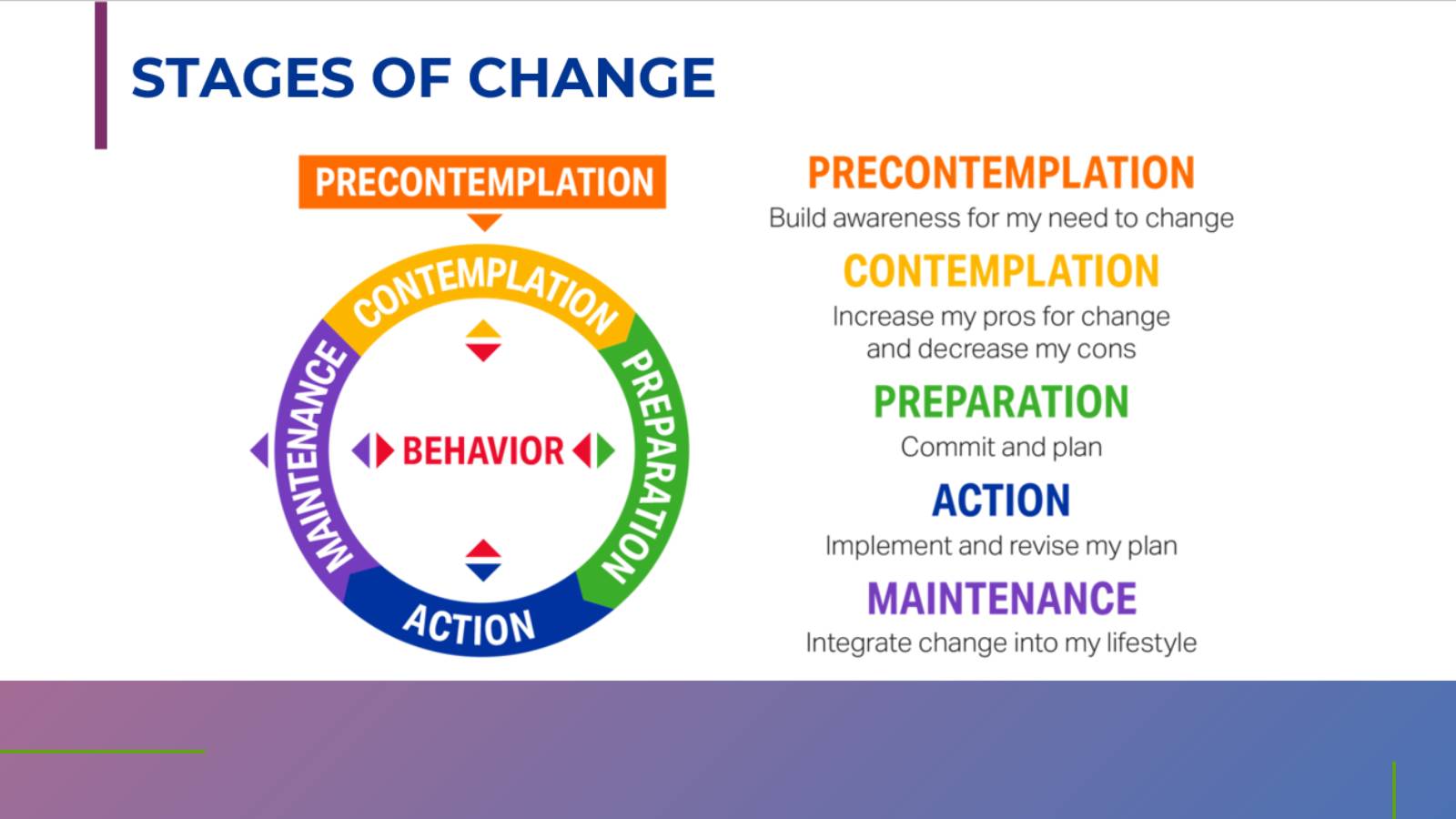
Start with the Stages of Change
Supporting people through their health and wellness experience is personal and really complex. Over the years, Wellness Concepts has worked hard to understand human behaviour and what people connect with. They want to make sure they are meeting their clients where they’re at so they can be as successful as they hope to be in their programs.
Every employee is at a different point in their wellness journey. Some are ready to take action, others are just beginning to think about making healthier choices, and some may feel resistant or overwhelmed. Designing a program without acknowledging these differences is one of the fastest ways to miss the mark.
Discharge is not the finish line. It’s the beginning of the highest-risk recovery window.
Instead of assuming everyone is ready for a fitness challenge or a biometric screening, the program should create layered opportunities that meet people where they are so they can engage in ways that feel realistic, respectful, and sustainable.

Assess – Align – Create
The Wellness Concepts’ approach has well-defined steps that facilitate program creation.
- Assess Before You Act – Before launching any initiative, organizations should take a step back and assess their organization’s current state. Asking critical questions might help. For example:
- Who are the company’s employees? (Age range, life stage, job roles.)
- How and where do they work? (On-site, remote, shift-based?)
- What health concerns or stressors are most prevalent?
- What barriers to participation exist?
- What support systems are already in place (EAPs, health plans, wellness committees)?
Assessment is about data, but it also shows empathy. What is also important is defining success. Companies may need to measure participation rates, culture change, and retention. Establishing clear metrics and timeframes ensures the company’s wellness strategy aligns with business goals while supporting employee well-being.
- Align with the Calendar – Aligning programming with health observances, holidays, company initiatives, and busy seasons makes the company’s efforts feel intentional and relevant.
Mapping the wellness plan to the calendar ensures consistency. A strong hybrid program aims to engage employees at least once per month, creating ongoing touchpoints rather than one-off events.
Consistency helps employees navigate the stages of change and reinforces the idea that wellness is part of workplace culture.
- Create Variety to Drive Engagement – One-size-fits-all programming doesn’t work. A thriving hybrid wellness program offers diverse topics and formats.
Variety ensures that employees with different learning styles, comfort levels, and interests can find something meaningful. Some may prefer interactive Q&A sessions; others might engage more with self-paced videos.
The key is flexibility without sacrificing quality. Science-based and evidence-based content builds trust and credibility.

Go Live and Go Face-to-Face
Technology makes hybrid wellness possible, and human connection makes it powerful.
Live sessions offer:
- Real-time Q&A
- Personalized interaction
- Increased engagement
- Shared experiences across locations
On the other side, face-to-face programming strengthens belonging and community. On-site experiences demonstrate a visible commitment to employee well-being and foster deeper connections.
For remote employees, it’s essential to approximate these experiences online. If one location gets an interactive cooking demo, remote staff should receive an equivalent experience – perhaps through a live-streamed class where participants can cook along and ask questions.
The goal is equity, not just access.
Prioritize Equity and Inclusion
A hybrid model can unintentionally exclude certain groups if not carefully designed. Wellness Concepts always strives to ensure inclusivity and equity. If certain populations consistently miss out, barriers may exist that need to be addressed such as technology access, time constraints, language, or psychological safety.
Wellness programs should be judgment-free zones where employees feel safe, respected, and supported regardless of their starting point.
Leverage an Engagement Platform
Administrative burden is one of the biggest barriers to sustaining wellness initiatives. An integrated engagement platform can streamline:
- Marketing and communications
- Registration and tracking
- Incentivization
- Participation reporting
This minimizes HR workload while maximizing program visibility and impact. On-demand reporting allows organizations to evaluate performance in real time and adjust strategies accordingly.
When logistics are seamless, employees are more likely to participate, and HR teams are more likely to sustain the effort long-term.
Re-assess and adapt continuously
Organizations evolve. Workforce demographics shift. Business priorities change. So, the wellness strategy should adapt just as dynamically.
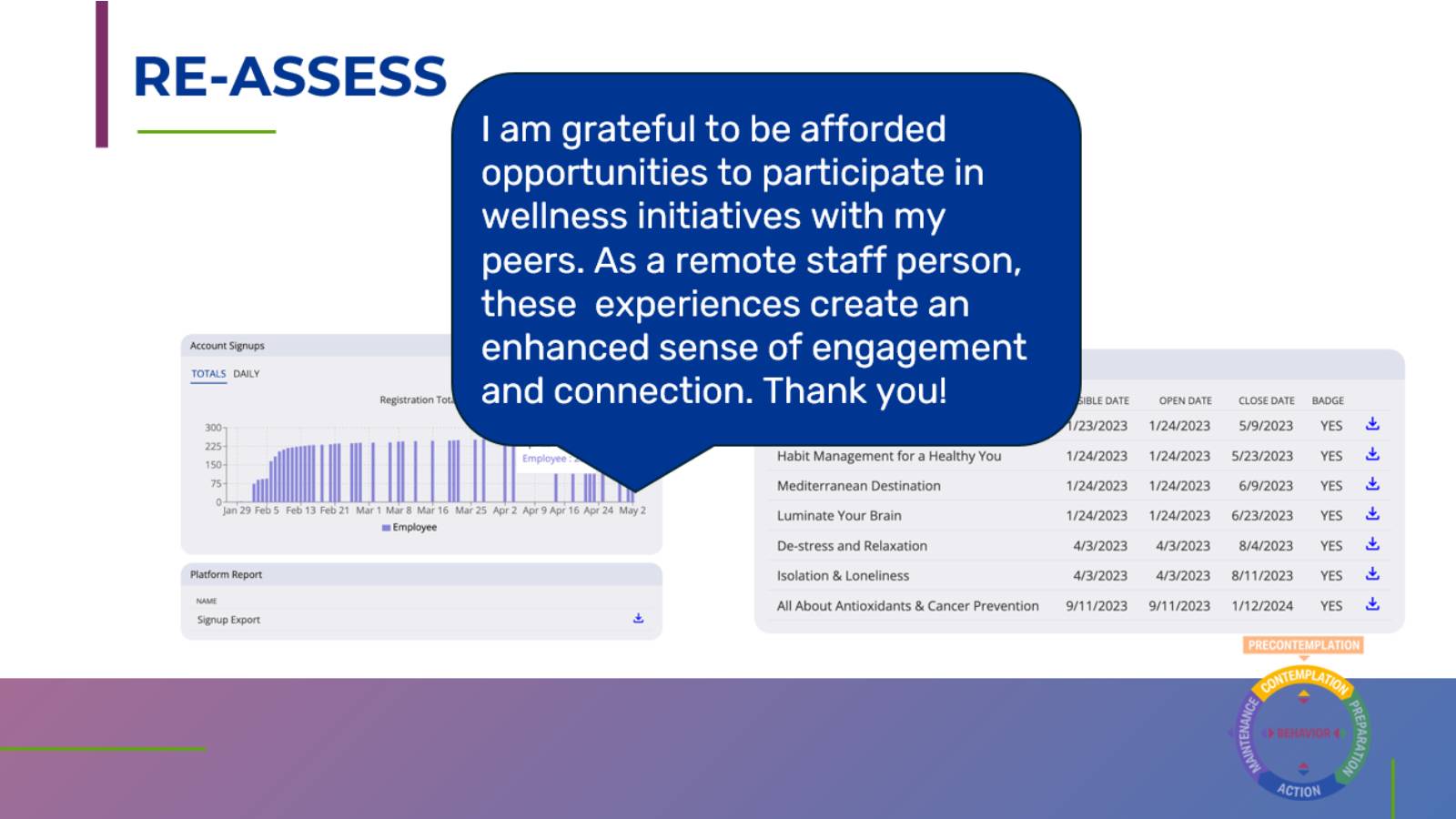
Companies should regularly collect feedback through post-event surveys, participation reports, and informal conversations to gain valuable insights. One powerful indicator of success is qualitative feedback, such as when remote employees express gratitude for feeling included and connected through wellness initiatives.
Re-assessment keeps programs relevant and responsive. Adaptation ensures longevity.
Get in touch with Wellness Concepts today!
A wellness program people actually love is not built on gimmicks or mandatory participation. It’s built on understanding, intentionality, inclusion, and human connection.
When done right, hybrid wellness programs do more than improve health metrics. They build culture. They strengthen belonging. They support resilience. And they remind employees, whether in the office, at home, or somewhere in between, that their well-being truly matters.
In a world of constant change, that commitment may be the most powerful benefit an organization can offer.
Wellness Concepts is your partner if you’re ready to simplify your planning, boost employee participation, and create a sustainable health culture. Let Wellness Concepts help you build a healthier, happier workplace without the heavy lift.
For more information, contact:
Nicole Pizzi – npizzi@well-concepts.com
In case you missed it: Log in to access the full Meet A Vendor Presentation!
Not a subscriber? Request access.
Did you find this article interesting?
Don’t keep this knowledge to yourself – share it on your social media channels and spark engaging conversations!