
In This Post:
Presenters:

Brian Talpos
Sales Account Executive
Having health insurance doesn’t automatically mean you can afford care. For many, care decisions have become financial decisions, and despite widespread coverage, millions of Americans continue to postpone doctor visits, skip prescriptions, or delay important procedures because they simply can’t afford the out-of-pocket costs that come with using their benefits. For employers, this creates a hidden challenge: employees may have access to healthcare, but financial barriers prevent them from using it when they need it most.
This topic was the focus of our recent webinar hosted by TempoPay. Brian Talpos, Sales Account Executive at TempoPay, went over the strategies that have been attempted to address the growing challenge of affordability and rising costs. He showed where TempoPay fits into this coverage and affordability puzzle and how this affects employees and employers.
About TempoPay
TempoPay’s mission is to help people access healthcare when they need it, without concerns about affordability. Employers can help employees better manage healthcare expenses, support healthier outcomes, and reduce financial stress.
TempoPay is part of HPS/PayMedix. The company has been providing interest-free healthcare financing and simplifying the way people access and pay for care for two decades. They have the data to deliver healthcare financing via employee benefits sustainably and appropriately and demonstrate real cost-savings to employers.
Coverage Doesn't Always Equal Access
Over the past decade, employers have invested heavily in expanding benefit offerings while balancing rising healthcare costs. High-deductible health plans, Health Savings Accounts (HSAs), Flexible Spending Accounts (FSAs), cost-sharing strategies, and narrow provider networks have become common tools for managing healthcare spend.
While these strategies help control premiums, they also shift more financial responsibility to employees.
The result is a growing affordability gap. Employees often face unexpected healthcare bills at exactly the wrong time, when household budgets are already stretched by rent, groceries, childcare, or other essential expenses.
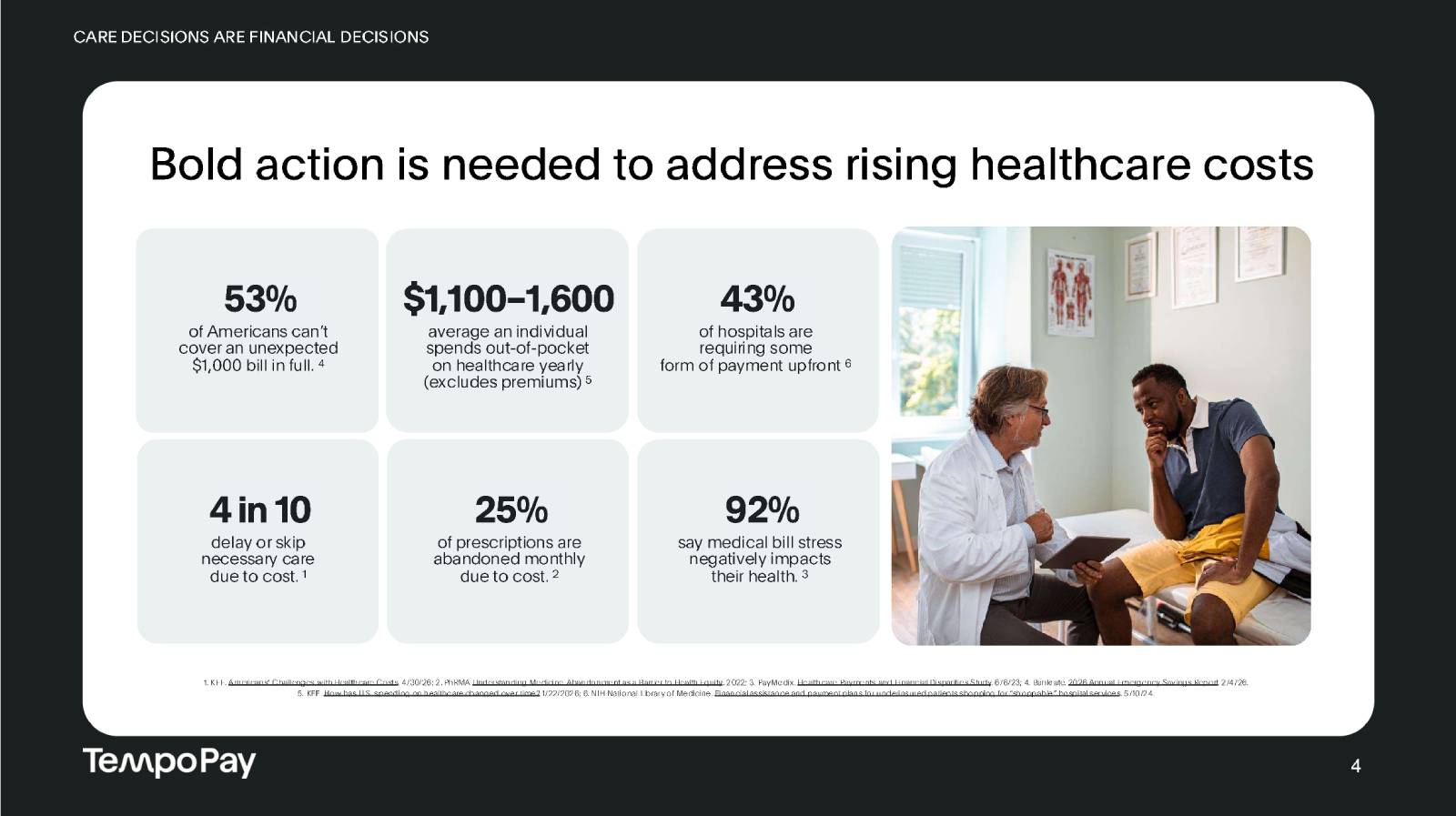
- The majority of Americans right now can’t afford an unplanned bill of $1,000 or more, and the average out-of-pocket healthcare costs that average families can expect to pay is over $1,000.
- Providers are increasingly requesting that some form of payment be given pre-service or even at the point of care. One study shows that 43% of hospitals require some form of payment before scheduling a procedure.
This situation is causing employees a lot of stress. Even with employer-sponsored health insurance, paying for care isn’t always easy. Upfront costs, annual deductible resets, and multiple family members needing care at the same time can create unexpected financial strain.
They’re forced to juggle healthcare with household expenses, so 40% of Americans have reported delaying or skipping care. One in four prescriptions are being left at the pharmacy counter, not picked up, not used.
These changes don’t promote healthy outcomes. When employees postpone care due to cost, health conditions often worsen– often things that could be caught during a preventative care or early doctor’s visit.
The challenge is a lack of affordable cash flow when care is needed. When financial barriers are reduced, employees are more likely to fill prescriptions and address health concerns earlier. TempoPay provides peace of mind and opens up access to healthcare funds. The fees are $0, and the interest rate is 0%, which means employees never pay extra to access care.
Helping Employees Pay for Care Without Financial Stress
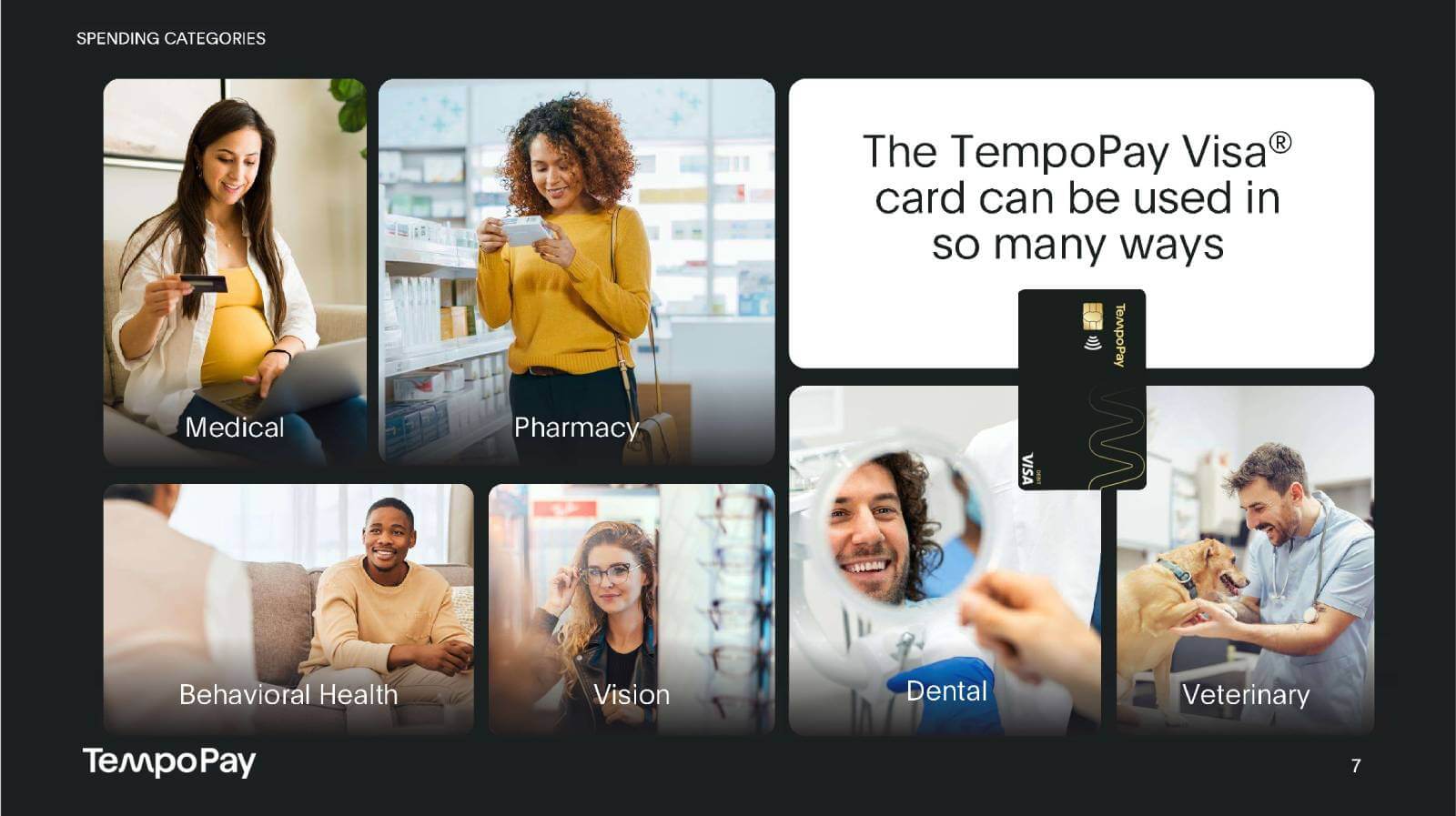
Brian introduced TempoPay as one approach to helping employees bridge the affordability gap. Rather than replacing existing health benefits, employers determine the maximum balance and eligible spending categories, while TempoPay handles the financing.
TempoPay complements current plans by giving employees access to employer-sponsored, interest-free financing for eligible healthcare expenses. That way, employees can spread payments over time through payroll deductions or linked bank accounts instead of paying the entire bill upfront.
What’s different from traditional financing options is that the program does not charge interest or fees and does not require credit checks. Everyone, regardless of credit score, has equal access to available funds.
Remove financial barriers that prevent employees from seeking timely care.
By making healthcare expenses more manageable, employers can help employees make medical decisions based on health needs rather than immediate financial constraints. Affordability solutions aren’t designed for one specific demographic. They can benefit employees across income levels and life stages.
The Employer Benefits Extend Beyond Financial Wellness
Helping employees afford care isn’t just about improving the employee experience. It may also contribute to better organizational outcomes.
When financial barriers are reduced, employees are more likely to seek preventive care, fill prescriptions, and early intervention can improve overall health.
Employers offering healthcare payment support experience lower medical cost trends compared to national benchmarks and see greater utilization of lower-cost, non-hospital care settings.
Removing affordability barriers may also help improve health equity. Employees’ access to care becomes less dependent on personal savings or credit availability, helping create a more consistent healthcare experience across diverse workforce populations.
For employers, these outcomes support broader objectives such as workforce well-being, productivity, retention, and long-term healthcare cost management.
Flexible Benefits That Fit Existing Plans
Healthcare payment solutions can often integrate with existing benefits rather than requiring employers to redesign their health plans. Employers can customize programs based on factors such as eligible employee populations, spending categories, and purchasing limits.
Implementation can typically occur within a matter of weeks, allowing organizations to introduce additional financial support without significant disruption to current benefits administration.
For brokers and benefits consultants, this also creates an opportunity to address one of employers’ most pressing concerns: healthcare affordability without increasing plan complexity.
Get in touch with the TempoPay team today!
Employees increasingly need support managing the timing of healthcare expenses, not just the total cost of care. Organizations that address affordability alongside traditional health benefits may be better positioned to improve employee well-being, encourage timely healthcare utilization, and reduce financial stress across their workforce.
The conversation around employee benefits is evolving beyond insurance coverage toward creating true access to care.
Helping employees receive the care they need, when they need it, without financial hardship may become one of the defining characteristics of successful benefits strategies in the years ahead.
How to get a quote? Visit:
tempopay.com/pricing
For more information, contact:
Brian Talpos – btalpos@hps.md
In case you missed it: Log in to access the full Meet A Vendor Presentation!
Not a subscriber? Request access.
Did you find this article interesting?
Don’t keep this knowledge to yourself – share it on your social media channels and spark engaging conversations!