Corporate Wellness Programs: How do You Measure Wellness?
How do you know if your wellness plan is cost-effective and working out for you? How can you measure employee well-being?
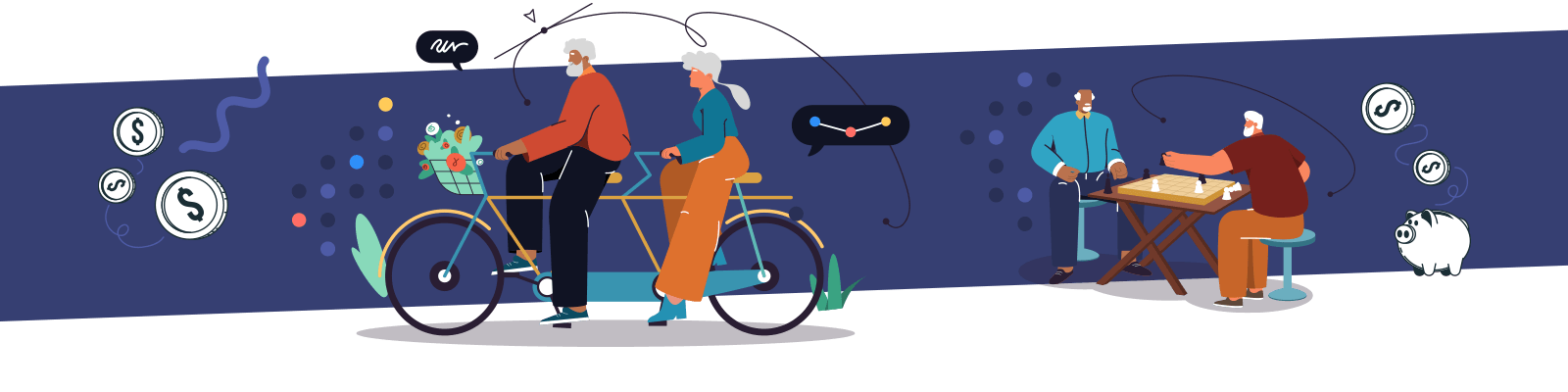
As the aging population grows and shifts the demographic pyramid, the need for quality specialized care for seniors will rise. Ease and comfort for the eldest citizens of society should be readily accessible and available. The statistics paint an accurate picture of the growing importance of eldercare.
The national average costs for long-term care in the U.S. are:
(LongTermCare.gov, 2016)
Whether institutional or in-home care, it is vital that the people who built today’s society are well taken care of in their later years.
*We’re using an archived version of the page as the source.
Browse our curated list of vendors to find the best solution for your needs.
Subscribe to our newsletter for the latest trends, expert tips, and workplace insights!

How do you know if your wellness plan is cost-effective and working out for you? How can you measure employee well-being?

Dive into the latest sleep statistics and uncover the impact of quality sleep on wellness, mental health, and daily functioning.

The evolution of the wellness concept mirrors our changing needs, priorities, and understanding of well-being. Nowadays, by embracing a holistic approach, wellness has become an integral part of every workplace, promoting employees’ overall health and fulfillment.

In the intersection of HR technology and employee wellness programs, companies have found ways to maximize their benefits and those of their employees.
Used by most of the top employee benefits consultants in the US, Shortlister is where you can find, research and select HR and benefits vendors for your clients.
Shortlister helps you reach your ideal prospects. Claim your free account to control your message and receive employer, consultant and health plan leads.