Amy Spurling from Compt on Toxic Work Environments
Employees facing a toxic work environment often find themselves in challenging situations, but there are constructive steps they can take to address the issue.
Many HR leaders I speak with feel stuck between mounting healthcare costs, burned-out teams, and limited resources. The instinct is often to buy a solution, which is where I typically enter the conversation.
Depending on your organization’s size and goals, annual wellness program expenses typically range from $150 to $1,200 per employee. That can include health risk assessments, coaching, incentives, platform fees, and content libraries.
| Organization Size | Typical Budget (Annual per Employee) | Common Features |
|---|---|---|
| Small (<100) | $150–$300 | Basic HRA, step challenges |
| Mid-size (100–999) | $300–$700 | Incentives, group coaching, platform access |
| Large (1,000+) | $700–$1,200+ | Comprehensive digital programs with analytics |
Before you publish another RFP or stack on another vendor, pause.
In my experience, working with organizations from startups to global enterprises, the most impactful wellness solutions often start with simple, free ideas. Instead of rushing into costly tools and hidden admin burdens, consider piloting a few research-backed tactics your team can try within 24 hours.
Description:
Most employees spend their days sedentary, leading to fatigue, poor posture, and long-term health risks. Introducing intentional movement during the workday can disrupt that cycle.
Benefit & Proof:
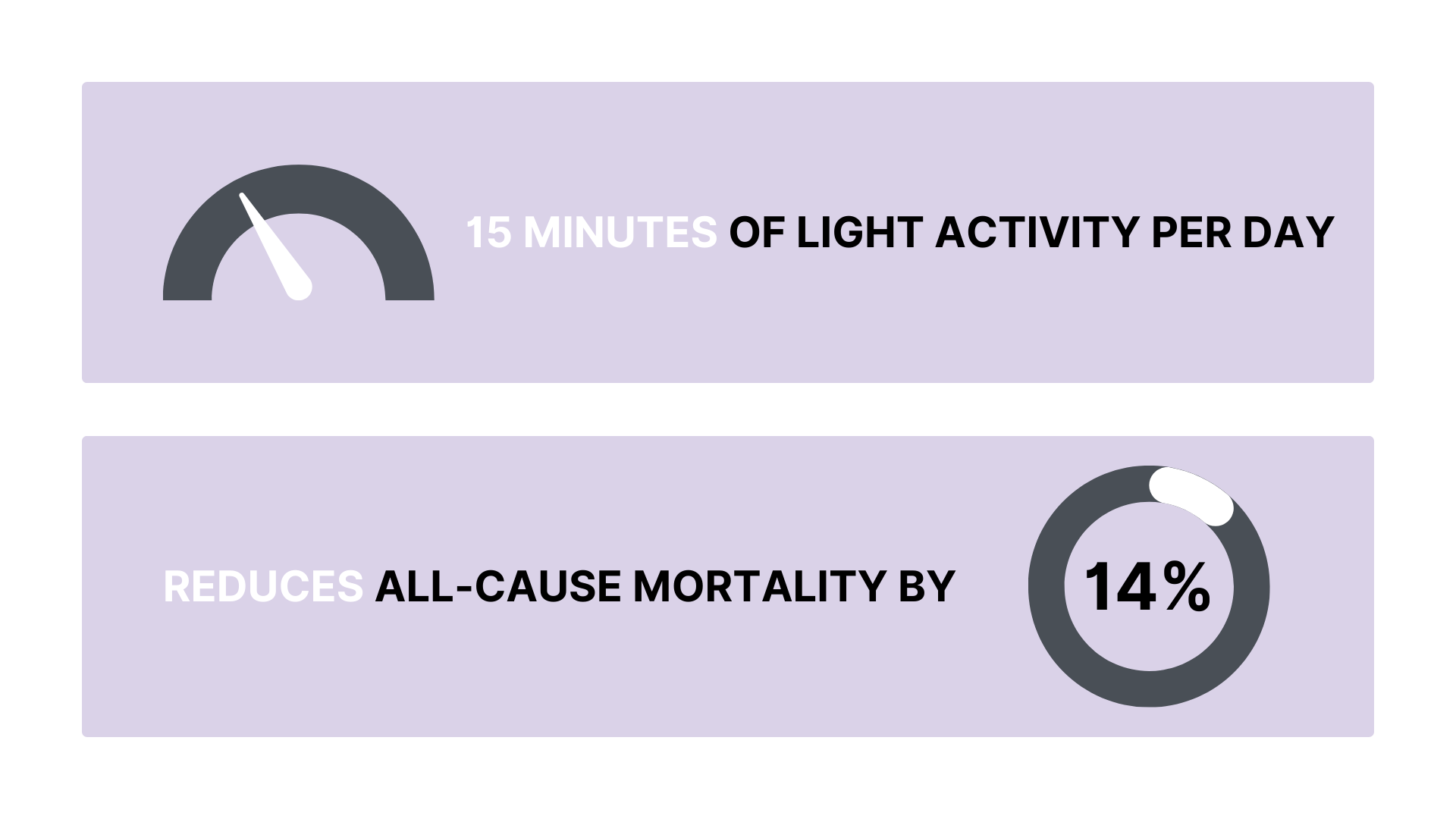
Just 15 minutes of light activity per day reduces all-cause mortality by 14%, according to The Lancet. Sedentary behavior is linked to chronic conditions and musculoskeletal disorders. Movement also improves focus and mood by increasing blood flow to the brain.
How to Implement:
Designate a 15-minute block each day, before lunch or mid-afternoon, for optional group movement. Offer rotating themes like desk yoga, stretch breaks, or cardio bursts.
For remote teams, use breakout rooms or Slack reminders to build accountability.
Description:
Gratitude has measurable psychological and organizational benefits. It boosts serotonin, reduces cortisol, and increases connection among team members.
Benefit & Proof:
Studies show that employees who feel appreciated have higher engagement and lower burnout. One study in the Journal of Applied Sport Psychology found that gratitude interventions significantly boosted resilience and social support among teams.
How to Implement:
Start meetings with 30-second thank-yous.
Create a Slack or Teams channel for daily gratitude. Keep it simple: sticky notes in the office, or shoutouts in a weekly email.
The key is frequency, not formality.
Description:
Sitting in back-to-back video calls limits creativity and cognitive energy. Walking meetings counterbalance this by engaging the body while freeing the mind.
Benefit & Proof:
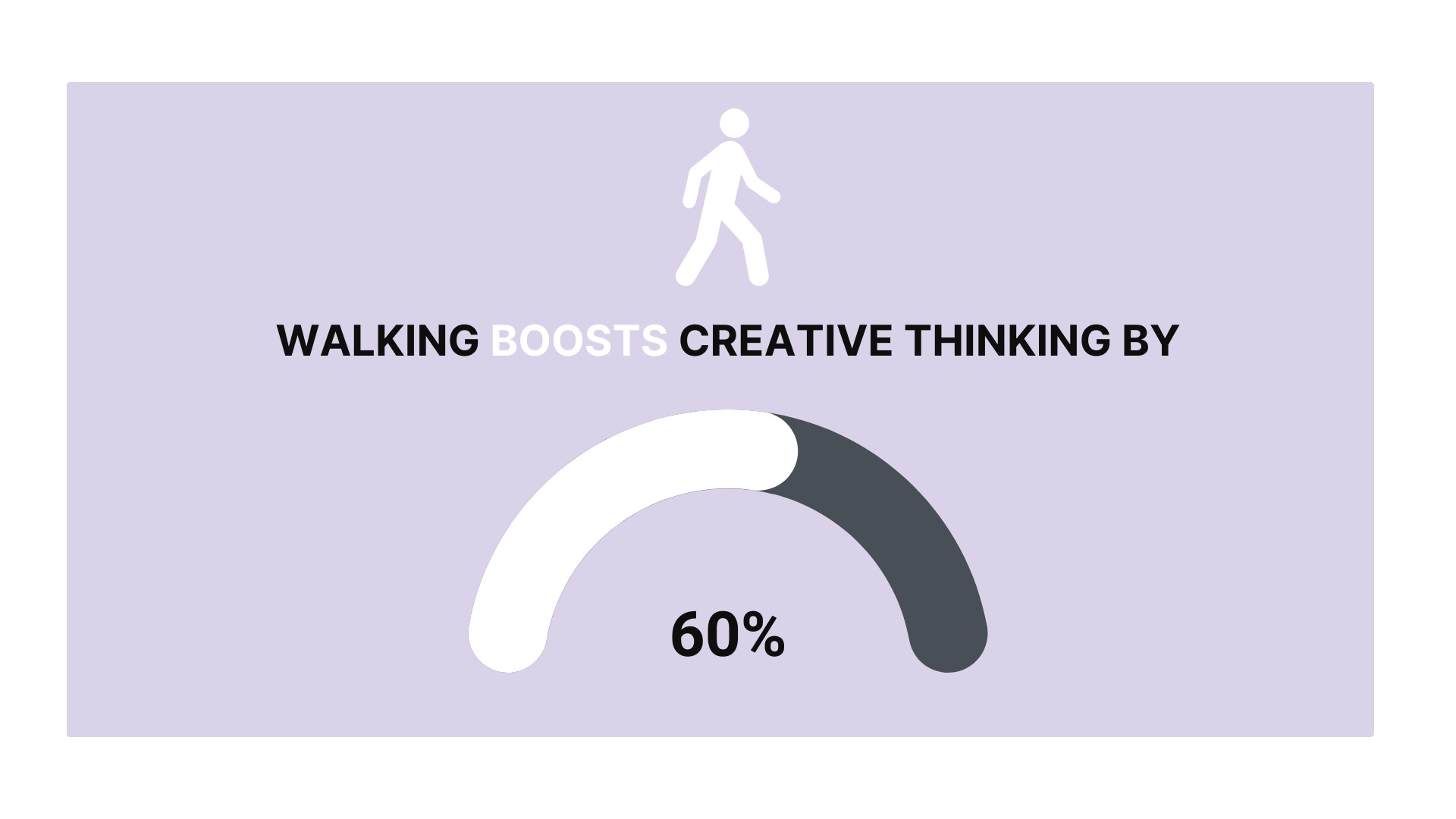
A Stanford study found that walking boosts creative thinking by 60%. It’s also associated with stress reduction and increased information retention.
How to Implement:
Pick one weekly meeting, preferably non-strategic, and make it audio-only.
Block off five minutes before the start to allow team members to prep. Encourage employees to take the call outdoors if possible.
Description:
Recognition fuels motivation, especially when it’s peer-driven and spontaneous. Creating a system for real-time recognition reinforces team culture.
Benefit & Proof:
According to Gallup, recognition-rich cultures enjoy 21% higher profitability and 28% lower turnover. Authentic, frequent praise strengthens trust and morale.
How to Implement:
In-office?
Create a physical “shoutout wall” or recognition box. Remote?
Set up a dedicated #shoutouts channel in Slack or Teams. Include peer praise in weekly meetings or internal newsletters.
Description:
Modern knowledge workers are overwhelmed by pings, meetings, and context switching. A “Power Down Hour” carves out protected space for deep focus.
Benefit & Proof:
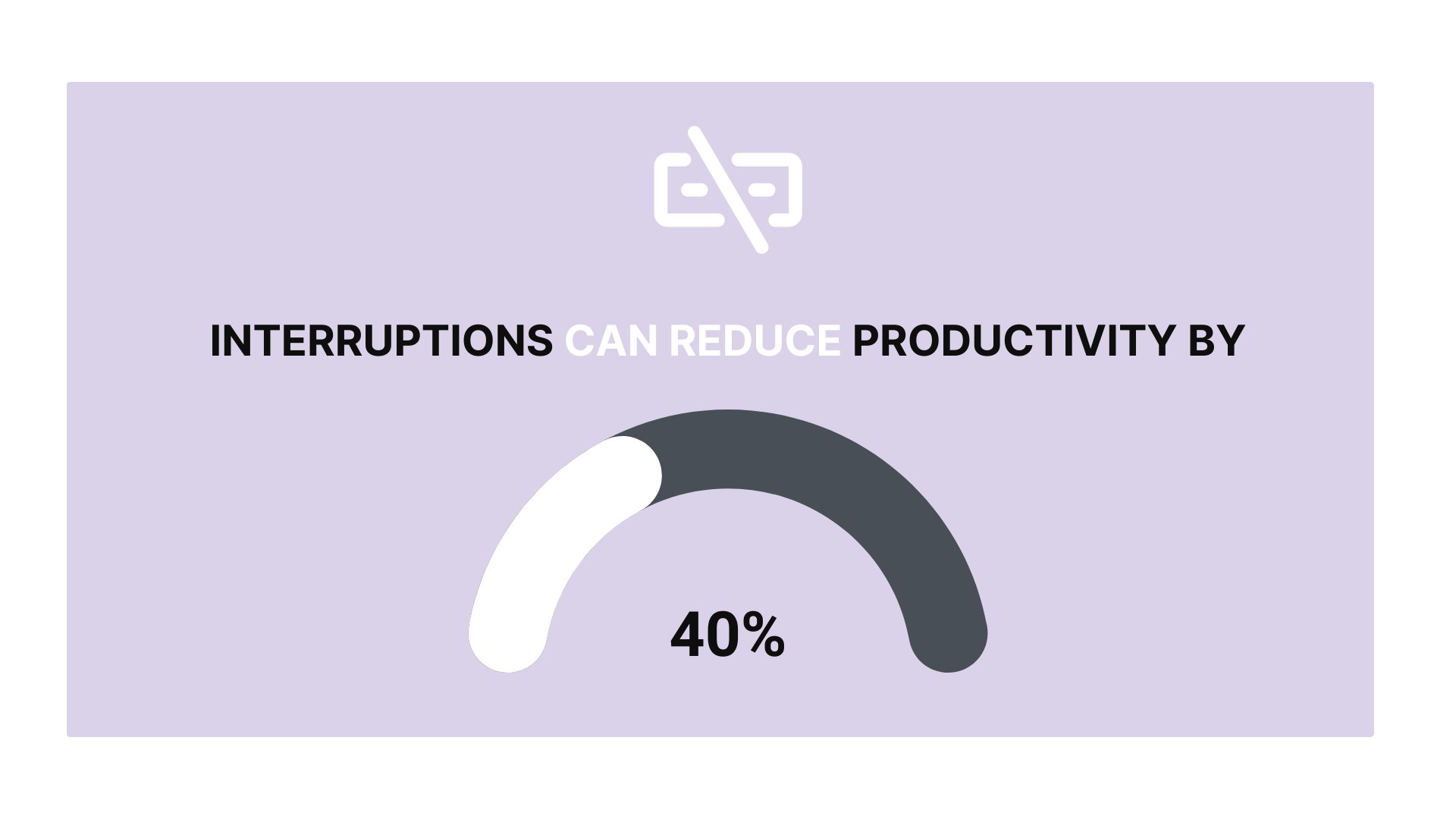
Interruptions can reduce productivity by 40%, according to CHI research. Quiet time leads to higher-quality work, reduced burnout, and lower decision fatigue.
How to Implement:
Pick one hour per week (e.g., Wednesday 2–3 p.m.) and block it on the calendar as meeting-free, message-free focus time.
Frame it as a commitment to individual productivity.
These five ideas are just the beginning.
We’ve packaged them, plus five more, into a free ready-to-use toolkit complete with templates, scripts, and simple rollout tips to help you get started fast.
Before you buy a platform, build the habits that make it work.
Browse our curated list of vendors to find the best solution for your needs.
Subscribe to our newsletter for the latest trends, expert tips, and workplace insights!

Employees facing a toxic work environment often find themselves in challenging situations, but there are constructive steps they can take to address the issue.

Even in tight-budget environments, wellness programs can improve engagement, reduce burnout, and lower costs even without a vendor.
Caregiving comes with emotional and financial challenges. Alaina Melena of Family First shares practical tips to manage costs while keeping your family’s well-being front and center. Learn how to budget wisely, access resources, and provide compassionate care without sacrificing financial security.

Can Reference-Based Pricing (RBP) shed light on the opaque landscape of healthcare costs?
Used by most of the top employee benefits consultants in the US, Shortlister is where you can find, research and select HR and benefits vendors for your clients.
Shortlister helps you reach your ideal prospects. Claim your free account to control your message and receive employer, consultant and health plan leads.