
HR Glossary

What is a Clinical Management Plan?

A clinical management plan is a structured framework for managing health conditions, especially chronic ones. Learn what’s included, who creates one, and what HR leaders need to know.
In This Post:

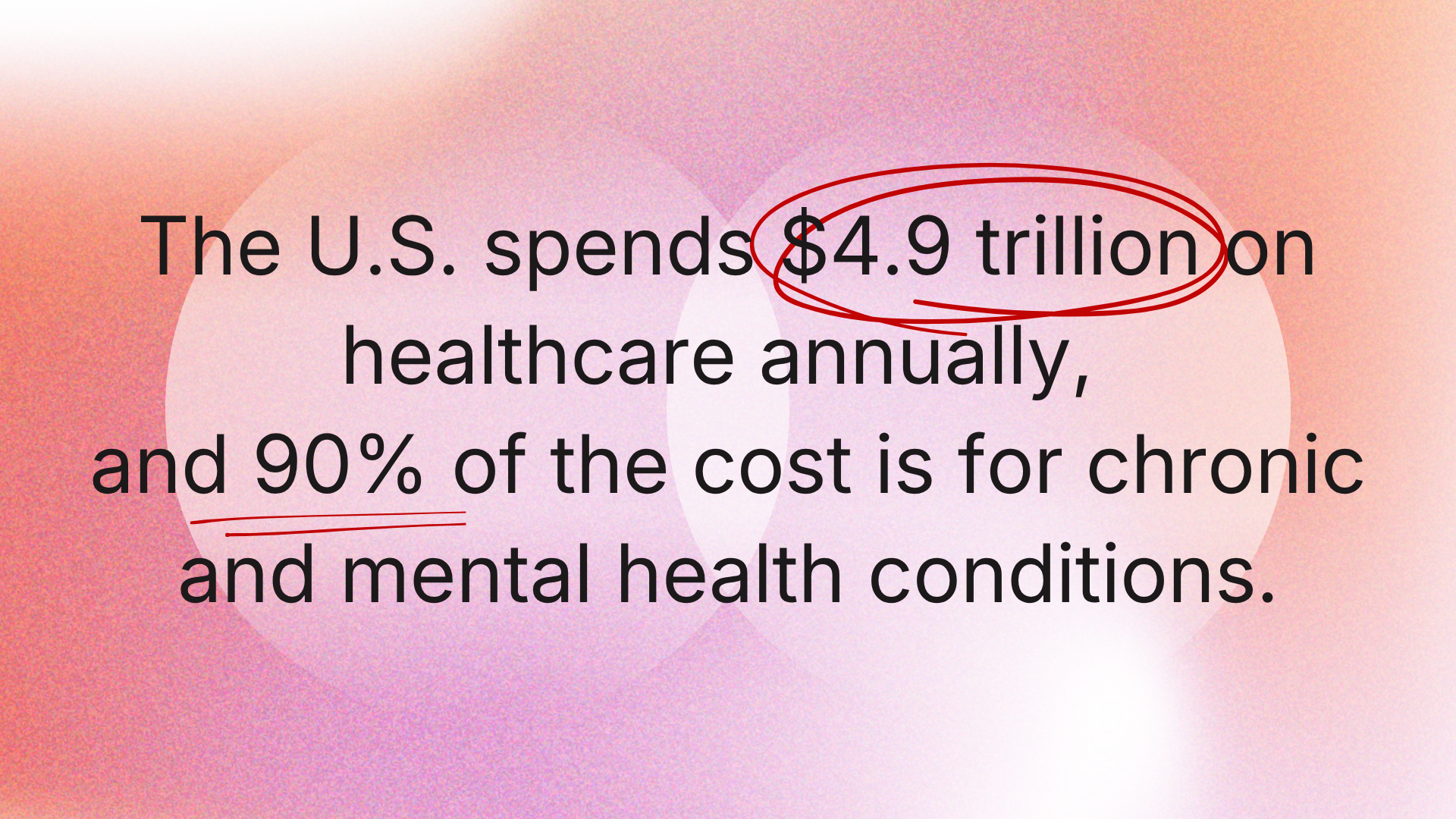
The U.S. spends $4.9 trillion on healthcare annually, and according to the CDC, nearly 90% of that goes towards chronic and mental health conditions.

Employers sponsoring health plans absorb a significant share of this financial burden, with much of the cost going beyond claims alone. When care is fragmented or episodic, the same conditions that drive claims also keep employees out of work or underperforming while they are present.

In fact, research indicates that productivity losses from absenteeism and presenteeism reach $2,945 per employee annually. These expenditures are not fixed and are often influenced by how well a condition is managed. Coordinated care improves outcomes, thus stabilizing costs and the downstream effects on attendance and productivity.

The variable in this equation is clinical management, or the structure this plan provides.

What is a clinical management plan, what does it include, and why does it matter to employers and HR leaders? Below, we explore this complex process through the lens of the U.S. workplace, showing its impact on long-term employee and operational well-being.

What is a Clinical Management Plan?

First, what is a clinical management plan (CMP)?

Giving a straight answer is somewhat complex, as the clinical management plan definition involves several layers.

For one, the term has a specific and formal meaning in some healthcare systems. Particularly, within the UK’s National Health Service, it’s a regulated, written agreement that enables supplementary prescribing. The plan defines the clinical boundaries of care between a doctor and an authorized prescriber, including which medications and conditions are covered and how responsibility is shared.

In the U.S., the term is used more broadly to describe care coordination across clinical, occupational health, and employer-sponsored wellness settings. Within this context, the clinical management plan definition represents a structured, individualized document that outlines the diagnosis, monitoring, treatment, and management of a specific health condition over time. It brings together a patient’s medical history, treatment goals, medications or therapies, and follow-up protocols into a single reference point.

CMP is closely related to (and often used interchangeably with) terms such as clinical care coordination, medical management, or disease management programs, all of which describe how healthcare providers organize and deliver ongoing care for a specific condition.

For the purposes of this article, we use “clinical management plan” to refer to the structured management of care and to provide an overview of its impact on the workplace.

Core Components

Regardless of the setting or condition, an effective CMP contains a consistent set of components, each serving a specific function.

The starting point is the patient and condition overview, which includes information about the confirmed diagnosis, medical history, risk factors, and health indicators.

Following the assessment, the next component is the treatment strategy, which is condition- and patient-specific. For example, for an employee managing Type 2 diabetes, this might include medication protocols, dietary targets, or physical activity goals. 

Monitoring and review protocols define progress-tracking goals and frequency. They also establish what happens if the current approach is not working.

Finally, role clarity discerns who owns each element and what their responsibilities are.

In the workplace, a well-structured care plan provides guidance on workplace accommodation and communication protocols among the employer, the health provider, and, when appropriate, the treating physician.

Who Develops It and When?

CMPs are typically developed when a health condition requires coordinated medical management across time or across multiple providers.

Common scenarios include:

  • the onset or worsening of a chronic illness
  • surgery recovery
  • treatment for complex mental health conditions
  • return-to-work planning following extended medical leave

A primary care physician or specialist usually initiates the plan, often in collaboration with the patient. In the workplace, particularly when a condition intersects with an employee’s ability to work, occupational health providers, case managers, and sometimes HR professionals may be involved in its development or implementation.

What This Means in the Workplace

For employers and HR professionals, CMPs are not primarily an internal tool, but are instead a clinical document. However, understanding what a clinical management plan is and what information it does and does not contain matters in several important employment situations.

CMPs and Return-to-Work Planning

Return-to-work programs feature strategies to help employees safely resume productive work as soon as it is medically appropriate after an injury, illness, or extended absence.

When an employee returns from medical leave, the CMP provides HR and occupational health teams with a clear understanding of their current functional capacity, any treatment requirements that affect scheduling or workload, and the monitoring in place. 

This guidance reduces the ambiguity that often complicates return-to-work transitions. It also helps ensure that reintegration plans are clinically grounded rather than based on recovery assumptions.

The CMP typically remains with the clinical team, as employers are not entitled to full medical records. Instead, what they may receive from the employee’s healthcare provider is a functional assessment: what the employee can and cannot do, and under what conditions a return to work is medically appropriate.

How CMPs Intersect with ADA Accommodations and FMLA

The Americans with Disabilities Act (ADA) requires employers to provide reasonable accommodations to employees with qualifying disabilities.

The Family and Medical Leave Act (FMLA) provides eligible employees with up to 12 weeks of job-protected leave for serious health conditions.

Both frameworks rely on medical documentation and a clinical management plan, which, while not a legal document in itself, provides the clinical context that supports accommodation decisions, leave certifications, and functional capacity assessments.

Under both the ADA and FMLA, employers may collect only the information needed to confirm that the employee has an impairment or medical condition, identify possible accommodation options, and determine the probable duration of the condition.

HR professionals should understand that their role in this context is facilitative, not clinical. They coordinate, document, and ensure compliance, but they do not interpret medical information or make clinical judgments. 

A CMP in a workplace context should be handled in accordance with the ADA’s confidentiality requirements and maintained separately from standard personnel files.

How Coordinated Care Works for Chronic Conditions

Chronic conditions are a major and growing strain on the healthcare system, driving high service use and costs. As the U.S. population ages, studies estimate the adult population with chronic diseases will increase too – by a staggering 99.5% from 71.522 million in 2020 to 142.66 million by 2050.

The stakes in the workplace, for both employees and employers, are already high.

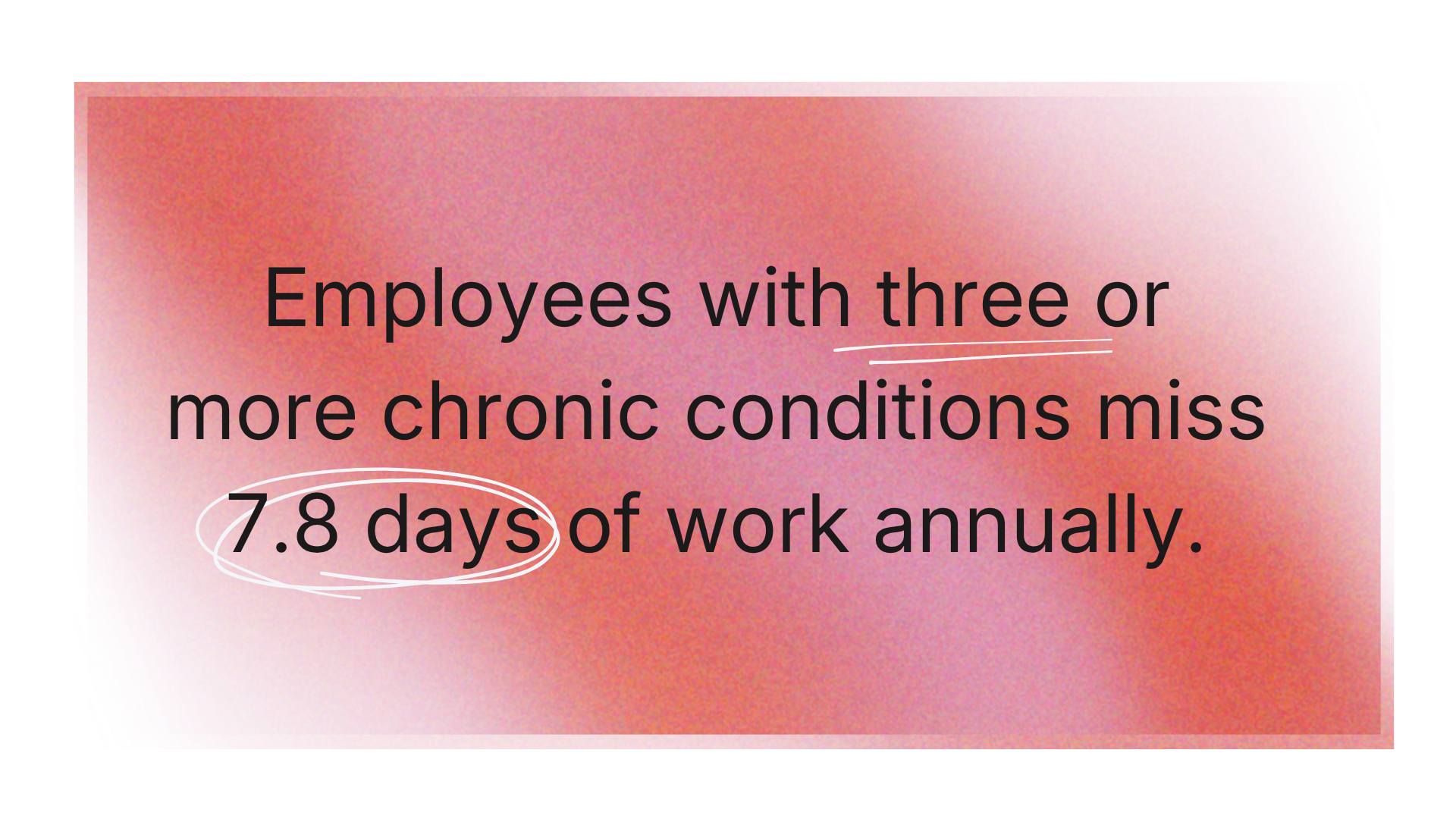
Workers with three or more chronic conditions miss 7.8 days of work annually, and absenteeism is only part of the picture.

Research on the five most costly chronic conditions for U.S. employers, including depression, cardiometabolic disease, and cancer, found that employees lost up to 80 work hours annually and experienced work impairment ranging from 10% to 70% of functional capacity.

A clinical management plan alone does not solve these challenges.

However, it represents the kind of coordinated, consistent approach that patients require for better health outcomes, which, in turn, can support stronger engagement and stability in their work lives.

Moreover, most employees managing chronic conditions interact with multiple providers, including primary care physicians, specialists, pharmacists, or behavioral health professionals. Each of them contributes to a different aspect of the patient’s condition. Without a shared framework, this complexity leads to gaps in care or even contradictory treatment recommendations.

Structured patient care and management addresses this by providing a common reference point for all stakeholders – providers, care managers, and employers alike.

Clinical Management Plans and Long-Term Employee Health

For employers, care management is not an abstract clinical concept. It has direct implications for workforce health, productivity, and benefit plan costs.

As we mentioned earlier, chronic diseases account for 90% of the nation’s healthcare expenditures and, according to some sources, these expenses are highly concentrated among a small proportion of people. Only five percent of the population accounts for nearly half of total health expenditures.

It’s safe to assume that this also applies to employer-sponsored health plans, meaning a small fraction of workers typically drives the majority of costs.

Forward-thinking employers are responding through prevention.

Research suggests that patients with chronic diseases accounted for 60% of all ER visits and that, of 24 million visits analyzed, up to 4.3 million were likely preventable.

Wellness programs are one way to address this, usually through nutrition plans, physical activity monitoring, stress management, and preventive screening across the workforce, all of which can improve overall employee health.

Meanwhile, for workers already managing a diagnosed condition, structured benefits like chronic disease management programs can further improve outcomes while controlling long-term costs.

A clinical management plan is what makes targeting possible at the individual level – it documents the specific condition, treatment goals, and care team responsibilities that any effective support program must be built around.

Understanding how CMPs function in the workplace helps evaluate whether vendors and programs are built on that kind of individualized clinical foundation or are extending wellness-style interventions into situations that require more substantive medical management.

On a Final Note

Understanding what a clinical management plan is, how it works, and what it requires from everyone involved is the starting point for using it well.

At its simplest, a CMP is a commitment to intentional, organized care. It replaces reactive, episodic treatment with a forward-focused structure that keeps patients, providers, and, where relevant, employers oriented toward the same outcomes.

For the U.S. healthcare system, where chronic conditions drive the overwhelming majority of costs and a significant portion of workforce absenteeism and disability, a clinical management plan represents one of the clearest tools available for turning data into coordinated action.

Written by tamara jovanovska

Content Writer at Shortlister

Chronic Disease Management Programs

Browse our curated list of vendors to find the best solution for your needs.

Stay Informed

Subscribe to our newsletter for the latest trends, expert tips, and workplace insights!

Related Posts