


40+ Background Check Statistics in 2025
Uncover the rising trends of background checks in the workplace and stay on top of the company’s safety.


Human Resources & Payroll Manager at J&Y Law

Co-Founder & CEO of AIScreen
Employee rights become an extension of human rights when safety, fairness, or equality in the workplace are at risk.
During an HR investigation, which can be particularly challenging and sensitive, they set the foundation for a process that upholds legal obligations and ethical standards.
Regardless of their role in a complaint, all workers have the right to equitable treatment, clear communication, and protection under the law.
This Shortlister article outlines the key employee rights during HR investigations, explores legal safeguards, and looks at the best practices for navigating the process with clarity and confidence.
An HR investigation is a formal internal process that examines allegations or signs of employee misbehavior. Its goal is to gather evidence, evaluate the situation, and determine appropriate actions based on company policy and applicable laws.
Human resources may interview employees, ask for documentation such as emails or witness statements, and review surveillance footage, logs, or employer records.
The most common reasons for investigation are allegations of harassment, discrimination, misconduct, policy violations, or ethical breaches.
These may arise from anonymous tips, audit findings, or compliance issues.
Concerns may also involve patterns of favoritism or nepotism in the workplace, where personal relationships appear to drive unfair and discriminatory decisions.
| Investigation Trigger | What it Involves |
|---|---|
| Employee or Manager Reports | Direct complaints raised by employees or leadership regarding misconduct, harassment, or policy violations |
| Anonymous or Whistleblower Reports | Tips submitted through anonymous channels or under whistleblower protection laws |
| Suspicious Behavior or Activity | Irregular patterns or actions, including misuse of company resources, policy violations, or time misreporting |
| Workplace Accidents or Safety Events | Incidents involving injury or unsafe behavior that trigger a review of conduct and protocols |
| Audit or Compliance Discoveries | Internal or external audits that reveal policy violations, fraud, or ethical concerns |
| Legal Action or Regulatory Contact | EEOC complaints, lawsuits, or inquiries from government agencies |
| External Complaints (Clients, Vendors, Public) | Allegations from third parties about employee conduct or ethical issues |
| Public Exposure or Reputation Risk | Social media, press, or public claims indicating internal issues |
| Exit Interviews or Post-Employment Feedback | Departing employees reporting misconduct, bias, or a toxic culture that warrants follow-up |
| Digital or Cybersecurity Alerts | Suspicious IT activity, policy breaches, or system misuse flagged by tech or security teams |
While the primary goal is fact-finding, not assigning guilt, the outcomes can significantly impact the individuals involved.
Understanding the process and being aware of all employee rights during HR investigations helps minimize their anxiety and potential adverse consequences.
Employee rights safeguard against abuse of power, such as employment discrimination, coercion, privacy violations, or retaliation.
Sometimes, even unconscious bias can affect decisions or worker treatment in subtle, yet harmful, ways.
Therefore, these protections prevent companies from conducting poor or biased investigations or using the process to justify predetermined outcomes. They help create accountability and transparency in the investigative process while providing a safe space for individuals to speak openly and cooperate.
Respecting employee rights is a key part of upholding integrity at work.
However, when workers want to protect themselves, and companies want to protect their business, a conflict of interest is bound to arise.
For employers, even a single incident can devastate years of reputation-building and expose them to costly liabilities. Therefore, they have a legitimate right to investigate if the situation threatens their business operation or brand reputation.
However, the company’s interest shouldn’t come at the expense of worker protection.
For employees, these investigations can expose an inherent power imbalance and vulnerability.
Incomplete information or biased complaints can threaten careers, and those who raise concerns or assist in investigations may suffer subtle retribution despite company policies.
With reasonable arguments on both sides, the solution requires investigation frameworks that acknowledge both realities.
Employer interests must be balanced against employee rights to privacy, fair treatment, and protection from retaliation.
Achieving this means having clearly defined policies, well-trained HR professionals, and strong oversight mechanisms.
“In my experience, HR investigations have to be conducted with a bias toward transparency and documentation,” says David Torosyan, HR and Payroll Manager at J&Y Law, emphasizing that the stakes are even higher for protected classes.
“Employers should avoid shortcuts and ensure all decisions are backed by clear, non-discriminatory reasoning and consistent processes.”
When such balance is maintained, a fair and transparent investigation respects corporate integrity while effectively addressing issues and preserving employee trust.
Employees typically cannot refuse to participate in corporate investigations, but they have clear rights protected by law and company policies.
At a minimum, they include:
Outside this scope, there’s also the right to indemnification, due process per company policy, reasonable accommodation for workers with disabilities, access to information, and the right to appeal an outcome.
These rights form the foundation of an ethical workplace and help prevent power imbalances or unjust outcomes.
Below, we explore each in detail.
While employers have the liberty to conduct internal investigations into alleged misconduct or policy violations, they must do so within the boundaries of the law.
An HR investigation is still a workplace action, meaning all standard employment protections remain in force.
Even though it’s an internal process, companies can’t use the investigation to excuse illegal behavior, like targeting someone for speaking up or treating individuals differently based on protected characteristics.
Multiple layers of legal protection apply during an investigation, including federal laws prohibiting retaliation, wrongful termination, discrimination, and harassment.
For example, under the Fair Labor Standards Act (FLSA), it is illegal for an employer to retaliate against an employee who participates in an investigation.
Similarly, employees cannot be singled out or mistreated during an investigation because of race, gender, age, religion, disability, or other protected characteristics – conduct that would violate multiple laws such as Title VII of the Civil Rights Act of 1964, the Americans with Disabilities Act (ADA), or the Age Discrimination in Employment Act (ADEA).
Moreover, if an investigation is used as a pretext to fire an employee for engaging in legally protected activity (such as whistleblowing), that could constitute wrongful termination.
Multiple laws prohibit this kind of retaliation, including the Whistleblower Protection Act, which safeguards federal employees who expose government misconduct.
State laws often provide additional protection that may be more comprehensive, including stronger anti-retaliation measures or broader definitions of protected classes.
Some examples include the California Fair Employment and Housing Act (FEHA) or the Massachusetts anti-discrimination laws, which offer additional protections against discrimination, retaliation, or harassment.
In short, while the investigation may focus on an employee’s conduct, the employer’s behavior must also remain squarely within the limits of federal and state employment law.
Retaliation occurs when an employer punishes a worker for engaging in legally protected activities, such as filing a complaint, reporting misconduct, participating in an investigation, or exercising workplace rights.
Common forms include termination, demotion, harassment, or creating hostile work conditions. Even subtle forms of retaliation, such as exclusion from meetings or social isolation, can violate legal protections.
According to the State of Workplace Wrongdoing 2021 research, 26.5% of employees did not report workplace wrongdoing after witnessing it.
For 27.8% of respondents, the main reason was retaliation in the form of a demotion, job loss, gossip about them, or shaming.
Another 15% chose not to speak up, having witnessed the consequences others faced for reporting.
Therefore, anti-retaliation protections are among the strongest and most crucial employee rights during an HR investigation.
They apply whether you file a complaint, serve as a witness, or are the subject of an investigation.
Beyond FLSA, several other laws shield employees, all mainly enforced by the Equal Employment Opportunity Commission (EEOC).
Specific whistleblower protections may apply when investigations involve fraud, safety violations, or other matters of public concern.
According to the National Whistleblower Center (NWC), the U.S. framework has become a global model for adequate whistleblower protection and has been credited for significantly advancing anti-corruption efforts.
Employee rights often extend beyond traditional anti-retaliation measures and may include stronger confidentiality, legal remedies, and, in many cases, financial rewards.
It’s important to note that although protections exist, enforcement is inconsistent.
For example, under the Whistleblower Protection Act, federal employees must bring their cases to the Merit Systems Protection Board (MSPB), which is supposed to review their claims fairly.
However, according to NWC, the MSPB has a history of ruling against whistleblowers in more than 95% of reviewed claims.
HR investigations typically involve extensive data collection, raising important questions about privacy protections and the extent to which employees can access this information.
While companies have a legitimate interest in gathering evidence, privacy rights do not disappear during the process.
Much of what’s said or submitted during an investigation may be logged in HR software, helping companies manage sensitive records while ensuring procedural fairness.
Still, there is a responsibility to strike a careful balance between transparency and confidentiality, especially when digital tools make it easier to store, track, and potentially misuse employee data.
“Many employees don’t realize that HR is bound to protect their personal information during the investigation. However, the line can blur if the investigation involves surveillance or workplace monitoring,” says Nikita Sherbina, Co-Founder and CEO of AIScreen.
“My advice to employees is to document everything, especially any communication about the investigation, and consult an attorney if they believe their rights are being infringed.”
“One often overlooked employee right during HR investigations is the right to be informed of the allegations against them in a clear, non-ambiguous manner,” says Nikita Sherbina.
“I’ve seen situations where employees were left in the dark about the specific accusations, which makes it difficult for them to respond adequately,” he adds.
However, unlike anti-retaliation protections, which are relatively straightforward, access to information is more nuanced.
Workers generally have the right to review investigation-related records, such as interview notes, statements, or documents collected during the process.
Although companies may limit access to protect the integrity of the process and other participants’ privacy, individuals should receive information about conclusions that affect their employment status.
Employers are not obliged to provide copies of investigation records if they haven’t taken any disciplinary action against the employee.
For broader personnel records, there are different rules.
No federal law requires private employers to allow workers access to their complete personnel files (e.g., performance reviews, disciplinary files, confidential references, and information about other employees).
These permissions usually depend on state law and company policies.
Employees also have the right to privacy.
But how accurate is this in an age of workplace monitoring and surveillance?
Companies can (in most cases) legally use employee monitoring software to track workplace activity, including work emails, calls, internet use, and company devices.
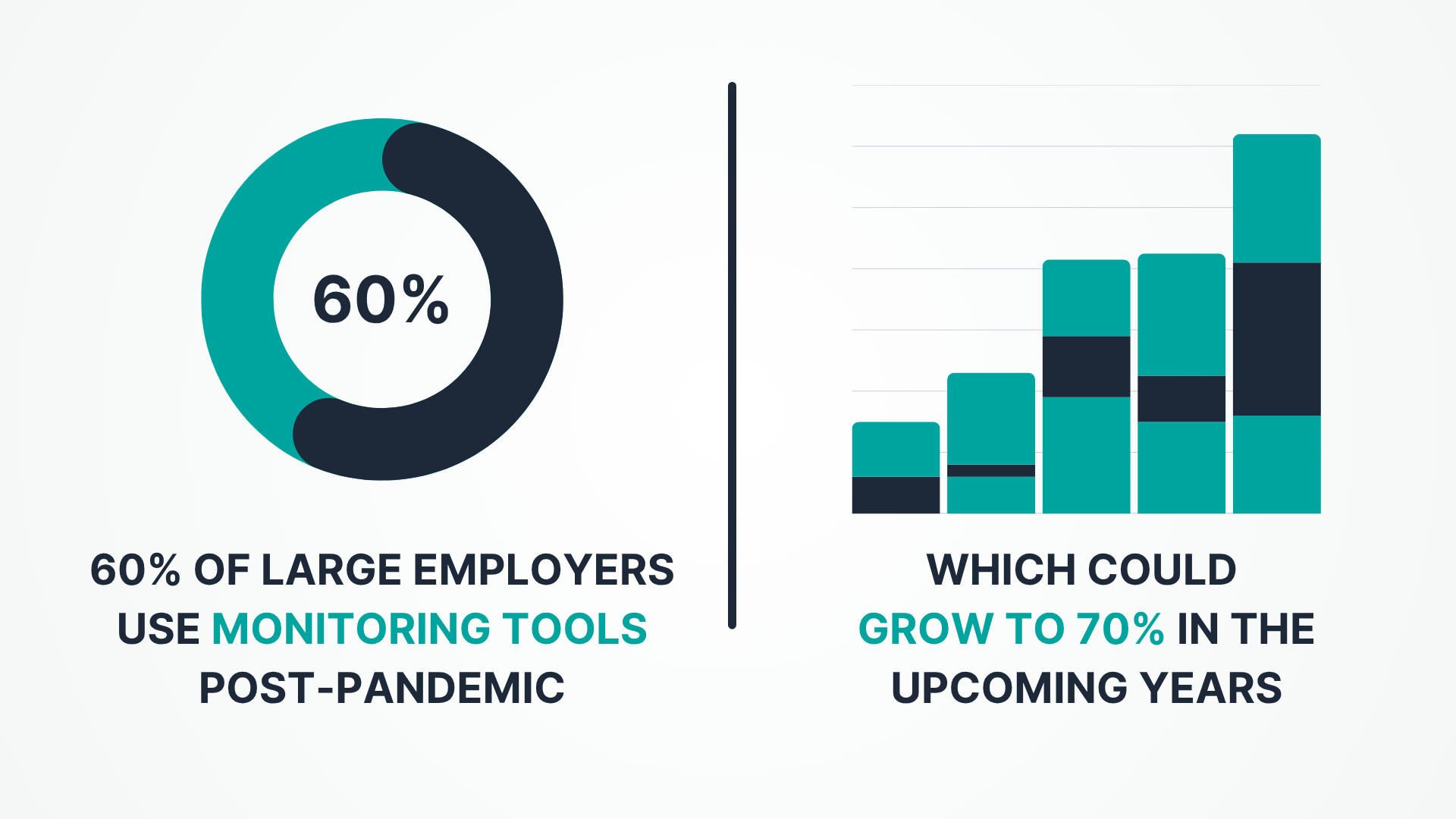
In fact, Gartner reports that 60% of large employers use these tools post-pandemic, which could grow to 70% in the upcoming years.
Still, even this broad authority has limits with or without an investigation.
Employers must comply with federal laws, such as the Electronic Communications Privacy Act of 1986 (ECPA), which restricts how and when businesses can monitor electronic communications.
State laws may also require advance notice, consent, or limits on how personal data is collected.
While monitoring is often legal, it must be purposeful and proportionate and not infringe on an employee’s reasonable expectation of privacy, especially in sensitive contexts like HR investigations.
Employees involved in an HR investigation are often asked to sign confidentiality agreements to keep details private.
However, these contracts have limits, especially in cases involving harassment or discrimination, where exercising legal rights or reporting violations may be required.
While confidentiality helps protect all parties and encourages honest participation, it’s not absolute.
These policies must be reasonable, time-bound, and legally compliant.
A fair HR investigation demands a careful balance: employees must be empowered by their rights and accountable for their obligations.
While workers have the right to fair treatment, representation, and privacy, they are also responsible for cooperating, providing truthful information, and remaining confidential.
Fulfilling these obligations helps ensure the investigation remains impartial and compliant with legal and company standards.
Employment contracts and company policies often outline employee obligations during internal investigations.
However, these must balance statutory rights and cannot override legal protections.
Companies should ensure their workforce understands any contractual requirements related to HR investigations and clarify that these do not negate their legal rights.
In cases of potential conflict, it is advisable to consult legal or compliance professionals to navigate the appropriate course of action.
In addition to the core employee rights during an HR investigation, union members enjoy additional protection.
For example, they may have the right to union representation during interviews under the Weingarten Rights and additional confidentiality safeguards negotiated through collective bargaining.
A union representative can also clarify questions, advise during the discussion, and monitor for any hostile or coercive tactics from management.
Title I of the Americans with Disabilities Act defines reasonable accommodation as any change or adjustment to a job, work environment, or standard hiring procedure that enables a qualified individual with a disability to perform a job function.
Under the ADA, accommodation is a worker’s right and may apply to those with disabilities or special needs during an HR investigation.
Language barriers, cultural considerations, and other factors, such as an employee on leave, may also require special attention to ensure fair participation.
Under such circumstances, companies should provide necessary accommodations to ensure all workers can exercise their rights equally.
Employees do not have an absolute right to keep records, but when they do, this evidence can be valuable in legal or procedural disputes.
Workers can and are often encouraged to document communications related to an HR investigation, including emails, meeting requests, and informal conversations.
It’s also important to keep copies of any documents you provide to investigators and request receipts or confirmation when submitting materials, ensuring your contributions are properly recorded and considered.
Employees generally cannot keep confidential company data, internal investigation files, or personal information about coworkers.
Recording private conversations without consent (which may be illegal in some states) is also prohibited.
Companies have a legal and ethical duty to uphold employee rights.
When they breach these responsibilities, intentionally or otherwise, affected workers may turn to regulatory agencies or the courts.
These legal remedies are critical in maintaining compliance and preventing further liability.
Despite legal protections, violations of employee rights during HR investigations still occur. Some of the most common examples of this are:
Recognizing the signs early on allows workers the right to take action and protect their interests. If reported immediately, many violations can be addressed through internal processes.
If that fails, workers can file a complaint or take legal action.
When internal processes fail to protect employee rights, external agencies provide additional recourse options.
The Equal Employment Opportunity Commission handles federal discrimination and retaliation complaints, while state or human rights agencies may have broader authority.
Depending on the nature and severity of the violation, they can investigate, mediate, or litigate on the employee’s behalf.
Understanding filing deadlines and procedures is crucial for preserving your rights. Many agencies have strict time limits for filing complaints, making immediate action integral to the outcome.
A wrongful termination lawsuit may arise when an employer fires an employee for reasons that violate the law, including discrimination, retaliation, or termination in disagreement with company policies or labor laws.
Workers who believe they were wrongfully fired can take action by filing a complaint with agencies like the EEOC, OSHA, or their state labor department, depending on the reason.
On the other hand, defamation happens when false statements about an employee damage their reputation, either verbally or in writing.
While companies have some legal protection when sharing information for legitimate business purposes, especially during internal investigations, they can still be held liable if they act with malice, negligence, or reckless disregard for the truth.
Legal counsel is often necessary to navigate these processes and determine whether a lawsuit is appropriate.
Employees have the right to request legal representation.
Consulting an employment lawyer in high-stakes investigations can provide valuable guidance. They can help you understand your rights, review contracts, advise on strategy, and intervene in case of misconduct.
Consider legal counsel if you face serious allegations, experience retaliation, or believe your rights are violated.
In this case, it’s advisable to refrain from further discussions with HR or company representatives until an attorney has had an opportunity to engage on your behalf.
If private representation is too costly, employer-sponsored legal plans can be a practical alternative.
Being under investigation at work is rarely comfortable, but how an employee responds can shape both the process and the outcome. The key is to stay informed, composed, and careful with communication.
Are you a witness, respondent, or complainant?
Employees can ask what the process involves and what is expected of them. Although HR may not disclose full details, they should be clear about the worker’s involvement.
Anyone involved in an investigation should focus on facts and refrain from speculation or assumptions. Addressing new information promptly helps preserve credibility.
Comments shared informally, over chat or email, can easily be misinterpreted or misused. Therefore, it’s essential to remain professional in all internal communications.
Employees may choose to document their involvement privately. Keeping a personal record of conversations, timelines, or developments can be helpful if questions arise later, especially in lengthy or complex cases.
In this case, requesting a written communication can help avoid misinterpreting or forgetting a verbal statement.
Seek help from appropriate resources, including union representatives, legal counsel when necessary, or even employee assistance programs for emotional support.
A strong support system helps employees navigate the process more effectively while protecting their interests.
At the end of an investigation, HR takes the appropriate actions based on the findings. While the decision is often confidential, affected individuals should be given enough information to understand any actions that may affect them.
Therefore, the conclusion of an investigation doesn’t necessarily end the employee’s involvement or concern for their rights.
Post-investigation, they can usually ask for information about outcomes, appeal processes, and ongoing monitoring for retaliation.
It’s also important to continue documenting the workplace experience, especially regarding any changes in treatment, assignments, or working conditions.
The bottom line is that participating in or being the subject of an investigation can be an unsettling experience. However, with a clear understanding of employee rights during HR investigations, individuals can engage confidently, advocate for themselves, and help maintain fairness in the workplace.
Content Writer at Shortlister
Browse our curated list of vendors to find the best solution for your needs.
Subscribe to our newsletter for the latest trends, expert tips, and workplace insights!
Uncover the rising trends of background checks in the workplace and stay on top of the company’s safety.

Great HR is built on understanding human experiences. These HR podcasts share real stories by real experts for an insider look at the moments that shape careers and transform workplaces.
Streamline your corporate employee relocation with an in-depth checklist for effortless navigation through relocation services.

Despite recent progress, engagement remains a significant challenge for most employers. These employee engagement statistics offer a glance at the current state, including the good, the bad, and all the untapped potential.
We're working hard to make it easy for you. Sign up for news, trends and insights.