In This Post:
Presenters:

Nicole Pizzi
Director of Client Success
Not so long ago, health fairs were viewed as an annual benefits event. A day where employees collect brochures, visit vendor booths, receive a biometric screening, and maybe leave with a branded water bottle or raffle prize. But today’s workplace demands something more.
Organizations continue to navigate hybrid work, employee expectations evolve, and concerns around engagement and well-being increase. Employers are starting to recognize that successful health fairs are also opportunities to create meaningful human connections, not just educational events. A thoughtfully designed health fair can become far more than a wellness initiative. It can serve as a catalyst for rebuilding workplace culture and strengthening relationships across teams. Connection is one of the strongest drivers of employee engagement, trust, collaboration, and retention.
This webinar builds on themes Wellness Concepts has explored in previous webinars with us, in which we discussed how to create sustainable wellness programs and design engaging hybrid wellness strategies. Health fairs bring those concepts together by creating interactive experiences that connect employees with wellness resources while strengthening workplace culture.
Nicole Pizzi, Director of Client Success at Wellness Concepts, shared meaningful information on why organizations should rethink the role of health fairs and how they can design experiences that truly make an impact. She also shared current trends and what clients are asking for. Why connection is so critical in the workplace and how to create opportunities for connection and wellbeing with a health fair.
About Wellness Concepts
With more than two decades of experience supporting employers nationwide, Wellness Concepts delivers science-based wellness programming through onsite, virtual, and hybrid experiences. Their network of more than 1,500 wellness professionals helps organizations build engaging programs that are easy to implement and tailored to employees’ evolving needs.
When working with Wellness Concepts, you are also paired with a dedicated strategist. This is key when strategizing for a health fair, pulling all these program components together, and figuring out how they fit into the bigger picture.
Whether through year-round wellness initiatives or interactive health fairs, the goal remains the same: creating healthier, more connected workplaces.
Why Connection Matters More Than Ever
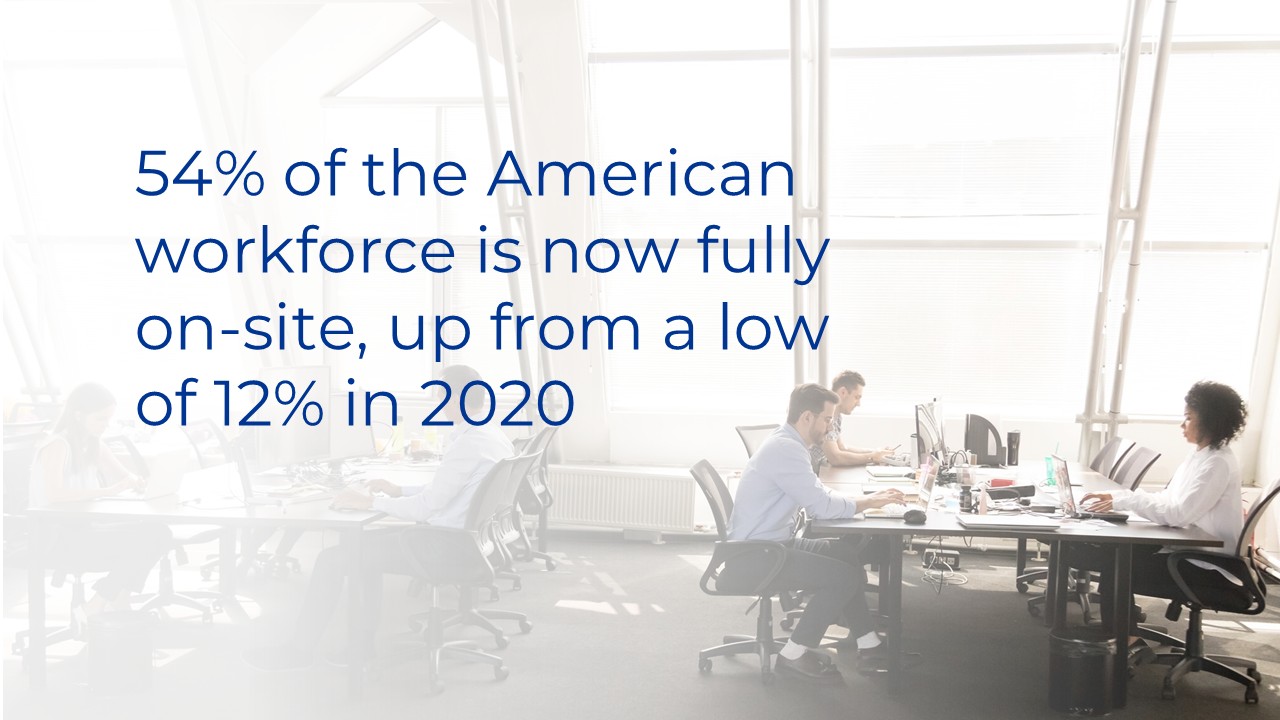
Over the past several years, the workplace has undergone a dramatic transformation. While many employees have returned to the office, work doesn’t look the way it once did. Hybrid schedules, remote teams, and distributed workforces have changed how employees interact with one another.
Even in organizations where people work side by side, many employees still report feeling disconnected from coworkers, leadership, and even from the benefits available to support their health.
This lack of connection has real business consequences. Employees who don’t feel connected are less engaged, collaborate less effectively, are more likely to leave their organization, and often fail to utilize valuable wellness and healthcare benefits.
Health fairs provide one of the most natural ways for employers to create more opportunities for employees to connect.
Why Health Fairs Are Perfect for Building Connection
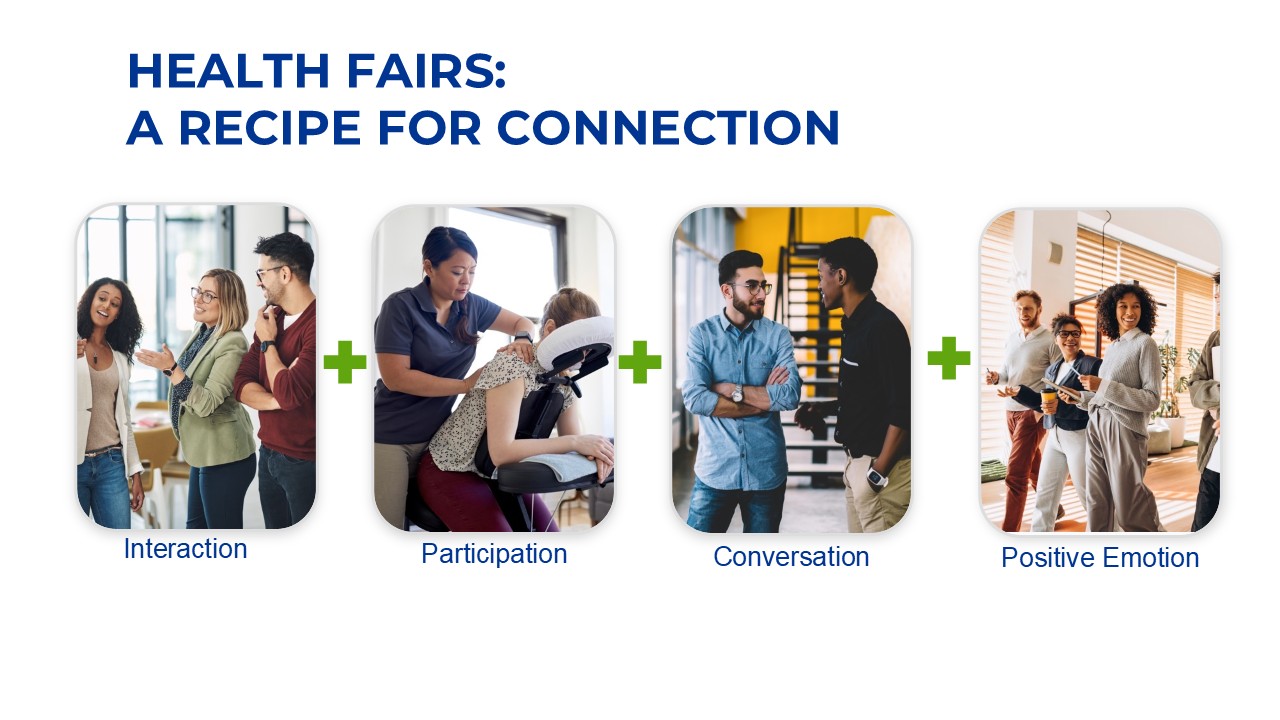
The best health fairs create four ingredients that naturally encourage human connection:
- Positive emotions
- Conversation
- Participation
- Interaction
Unlike traditional presentations where employees passively consume information, health fairs invite people to experience wellness together.
Whether employees are participating in a fitness demonstration, receiving a chair massage, sampling healthy foods, learning mindfulness techniques, or speaking with wellness experts, they’re engaging with colleagues in ways that feel authentic and enjoyable. Those shared experiences matter.
And sometimes the strongest moments happen after the vendor booth, like coworkers laughing together after trying yoga for the first time or employees discussing a healthy recipe they discovered. These seemingly small interactions help strengthen workplace relationships while reinforcing positive associations with employee well-being.
Creating Health Fairs That Truly Make an Impact
Many organizations measure the success of a health fair by attendance numbers or vendor participation. While these metrics are valuable, they shouldn’t be the only definition of success.
Effective health fairs also recognize that every employee is at a different stage in their wellness journey. Some employees are ready to jump into activities, while others need an encouraging first step. Designing a variety of experiences allows organizations to meet employees where they are and creates more opportunities for meaningful participation.
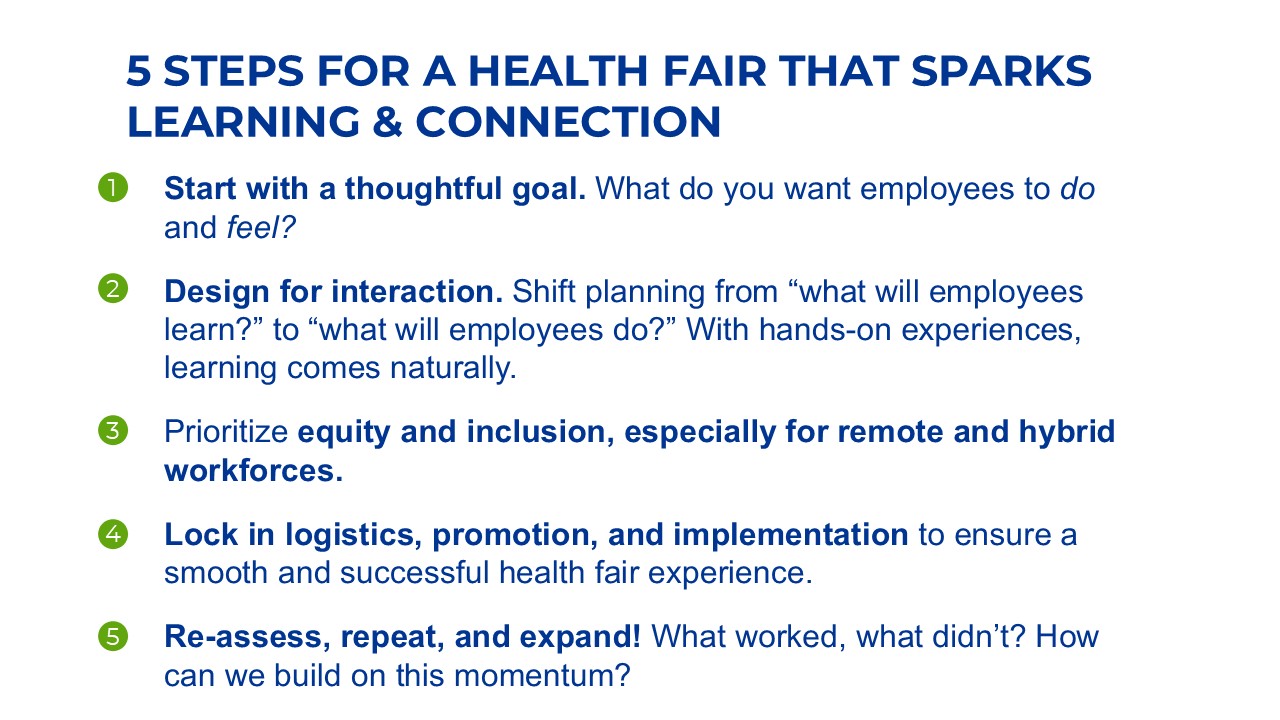
- Step One: Start with Employee-centered Goals. Begin planning by asking how we want employees to feel and what we want them to do. When planners focus on experiences rather than attendance alone, engagement naturally improves.
- Step Two: Design for Participation, Not Observation. People remember experiences far more than presentations. Interactive programming keeps employees engaged while making learning feel effortless. Popular health fair activities include fitness or cooking demonstrations, mindfulness workshops, chair massage or reflexology, wellness games, and prize drawings. Interactive experiences appeal to multiple learning styles while creating natural opportunities for employees to engage with both experts and one another.
Learning becomes more memorable when employees actively participate rather than observe.
- Step Three: Create Inclusive Experiences for Every Employee. Today’s workforce rarely exists in one location. As discussed in our previous webinar on building successful hybrid wellness programs, creating equitable experiences for both onsite and remote employees is essential for long-term engagement. Health fairs should be designed with that same approach so every employee has meaningful opportunities to participate. That means health fairs must evolve beyond physical events. Virtual and hybrid health fairs allow employers to extend wellness programming across their entire workforce while maintaining a consistent employee experience. Creating equitable experiences helps every employee feel valued regardless of where they work.
- Step Four: Don’t Underestimate Promotion and Logistics. Even the most basic health fair can be challenging without strong planning. Successful events require careful attention to logistics. One of the advantages of partnering with experienced wellness providers is having a structured planning process already in place. From coordinating presenters and marketing materials to managing registrations and post-event follow-up, streamlined planning allows HR teams to focus on employee engagement instead of administrative details.
Promotion deserves particular attention. Employees are busy, and using multiple communication channels and building excitement before the event increases attendance while reinforcing that employee well-being is a company priority. - Step Five: Measure Success and Build Momentum. The health fair should serve as the beginning of ongoing engagement of an organization’s wellness strategy. Gathering both quantitative and qualitative feedback is valuable. Individual feedback often reveals what statistics cannot. These insights help organizations refine future events and identify broader wellness initiatives that employees truly value.
Health Fairs as a Strategic Investment
When thoughtfully designed, health fairs become much more than a wellness event. They help organizations strengthen workplace culture, increase employee engagement, raise awareness of available benefits, foster cross-departmental collaboration, and support inclusion for hybrid and remote teams. Most importantly, they remind employees that wellness is about people.
Health fairs are most effective when they’re part of a broader wellness strategy. Organizations that combine engaging health fairs with ongoing education, hybrid programming, and year-round wellness initiatives create more opportunities for employees to stay connected and engaged long after the event ends.
To learn more about building a comprehensive wellness strategy, explore our previous articles on creating sustainable wellness programs and designing hybrid wellness experiences.
Get in touch with Wellness Concepts today!
Organizations often invest significant resources into benefits, wellness platforms, and employee support programs. Connecting with those resources can be done with a well-designed health fair that bridges that gap.
By focusing on interaction rather than information, experience rather than attendance, and connection rather than transactions, employers can create memorable events that continue delivering value long after the booths are packed away.
When employees laugh together, learn together, and support one another, wellness becomes part of the organization’s culture rather than simply another benefit.
That’s the true connection effect.
For more information, contact:
Nicole Pizzi – npizzi@well-concepts.com
In case you missed it: Log in to access the full Meet A Vendor Presentation!
Not a subscriber? Request access.
Did you find this article interesting?
Don’t keep this knowledge to yourself – share it on your social media channels and spark engaging conversations!