
What do Employee Background Checks Look for?
Unveil the role of employee background checks in the hiring process and their importance in creating a safe work environment.

Poor leadership may be challenging to detect, but its consequences are impossible to ignore.
Gallup’s Leadership & Management indicators show that in 2024, only 20% of workers trusted their leaders, and even fewer (19%) were inspired by them.
These qualities, Gallup reports, are fundamental to helping them find purpose in their work, connect with the company culture, and perform better.
So, when four in five employees lack that connection, it’s time to ask why.
This Shortlister article explores poor leadership qualities and how to identify, acknowledge, and transform them before they quietly turn into bigger issues that are harder and costlier to fix.
Traditional authoritarian management can no longer sustain work productivity or loyalty.
In the modern workplace, this approach is more likely to drive employees away who are instead seeking empathy, transparency, and a sense of purpose from their work.
However, the issue is that ineffective leadership by today’s standards manifests in many ways beyond the “tough boss” stereotype.
Poor leadership qualities take different forms. Some are obvious, like micromanaging or favoritism, while others are more subtle, as poor communication or lack of vision.
Often, these behaviors are not rooted in bad intentions but in a lack of training, awareness, or emotional intelligence.
Even good leaders can possess negative leadership traits.
Understanding what they look like, whether subtle or not, is the first step in changing them.
So, what are poor leadership qualities?
Simply put, they are a combination of traits or behaviors that lead to ineffective, counterproductive, or even harmful people management.
In contrast, a good leader should be able to guide with empathy, motivate, and empower others.
The difference between these two often comes down to trainable skills, self-awareness, or emotional intelligence.
These factors shape how leaders communicate, make decisions, and influence those around them.
Before analyzing each aspect in depth, we look at the most common bad leadership qualities and counteracting behaviors that great leaders demonstrate instead.
| Poor Leadership Quality | Good Leadership Skills |
|---|---|
| Micromanagement | Trust and delegation |
| Inflexibility | Adaptability and openness to change |
| Avoiding accountability | Taking ownership and modeling responsibility |
| Favoritism | Fairness and impartiality |
| Emotional outbursts or coldness | Emotional intelligence and self-regulation |
| Focusing only on results | Balancing performance with people development |
| Ignoring feedback | Active listening and responsiveness |
| Lack of vision or direction | Strategic thinking and clarity of purpose |
| Dismissing employee well-being | Prioritizing support and psychological safety |
| Withholding recognition | Encouraging and celebrating contributions |
| Leading with fear | Leading with empathy |
“Employees don’t quit their jobs; they quit their bosses”.
Bad leadership experiences are universal in the workplace, although their impact looks different for every employee.
Understanding this complex spectrum of behaviors helps companies spot warning signs and take corrective actions proactively.
The following examples are the most observed traits of a bad leader.
Poor leaders often operate in information silos.
They fail to keep their teams informed or intentionally conceal details about company decisions, project changes, or strategic direction.
This lack of communication and transparency signals that employees are not trusted with important information, potentially creating discontent among them.
At the same time, the impact extends to performance and productivity as teams without clear communication struggle to prioritize tasks, may duplicate work, miss deadlines, or fail to align their efforts with the company’s goals.
Some leaders confuse involvement with oversight, inserting themselves into every minor decision.
This is considered micromanagement, a leadership style in which managers closely oversee and control every aspect of their team’s work. It often involves excessive check-ins, overexplaining, and an unwillingness to delegate decisions.
Research on the effect of micromanagement, particularly on Millennials (ages 21 to 41), found that it leads to a range of adverse reactions, such as anxiety, low motivation, dissatisfaction, disengagement, reduced support for leaders, and reduced innovation.
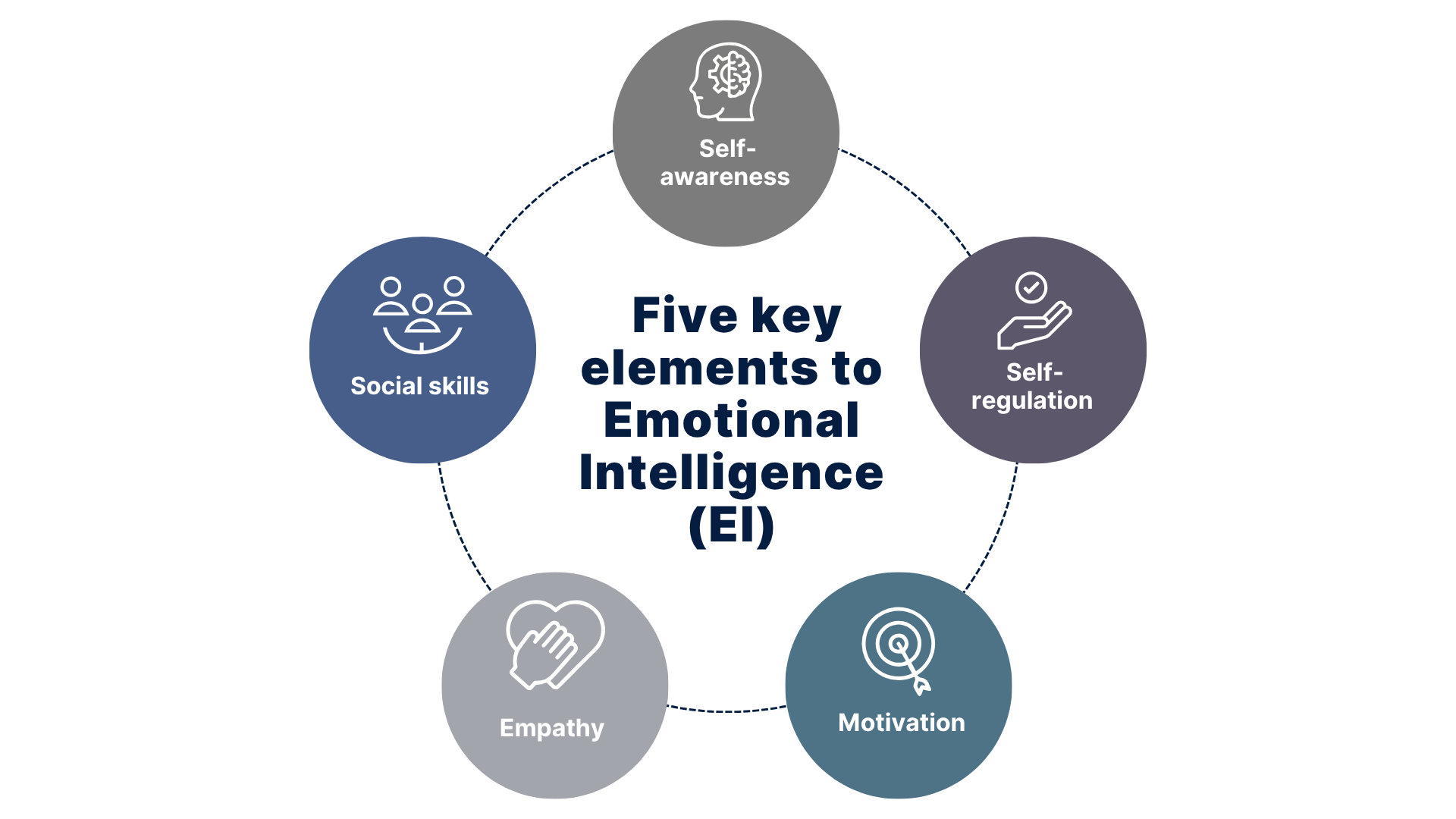
Emotional intelligence (EI) refers to the capacity to recognize, understand, and manage both personal emotions and those of others effectively.
According to Mental Health America, there are five key elements to EI:
Research shows these competencies are foundational to effective leadership behavior.
A 2023 study titled Emotional Intelligence: Why It Matters in Change Leadership and Innovation in the 21st Century Styles of Work found that self-awareness, self-motivation, and empathy, in particular, play a decisive role in high leadership performance.
Therefore, a deficiency in these areas substantially undermines a leader’s capacity to build trust, communicate effectively, and inspire teams.
Innovation demands flexibility, and leaders who remain anchored in a “this is how we’ve always done it” mindset can become significant obstacles to progress.
They may disregard suggestions from team members, ignore emerging technologies, or refuse to adapt their management style to changing workplace expectations.
This resistance typically stems from a fear of uncertainty or concern about appearing incompetent in new situations.
However, the study on EI we referenced before also reveals that this may be linked to emotional intelligence.
According to the findings, leaders who exhibit strong self-awareness, empathy, and motivation are more likely to support adaptability, resilience, and collaboration, which are all essential for sustained innovation.
While the traits discussed above certainly harm organizational performance, some characteristics of bad leadership strike directly at the center of workplace culture by damaging the fundamental relationships between leaders and employees.
These behaviors create toxic environments where trust erodes, morale plummets, and talented individuals feel undervalued or unwelcome.
The importance of addressing them becomes even greater with findings from SHRM’s State of Global Workplace Culture in 2023 report.
According to their data, employees who rate their company’s culture as “good” or “excellent” are 790% more likely to feel satisfied at work and 83% less likely to be actively seeking new employment compared to those who rate their culture as “poor” or “terrible.”
One of the most influential drivers of positive culture? Equitable leadership practices.
Without strong, fair, and responsive leadership, even well-intentioned culture initiatives are unlikely to succeed.
A pervasive, negative leadership trait is “playing favorites.”
Favoritism in the workplace is preferential treatment in which some employees are treated better due to personal relationships or subjective opinions.
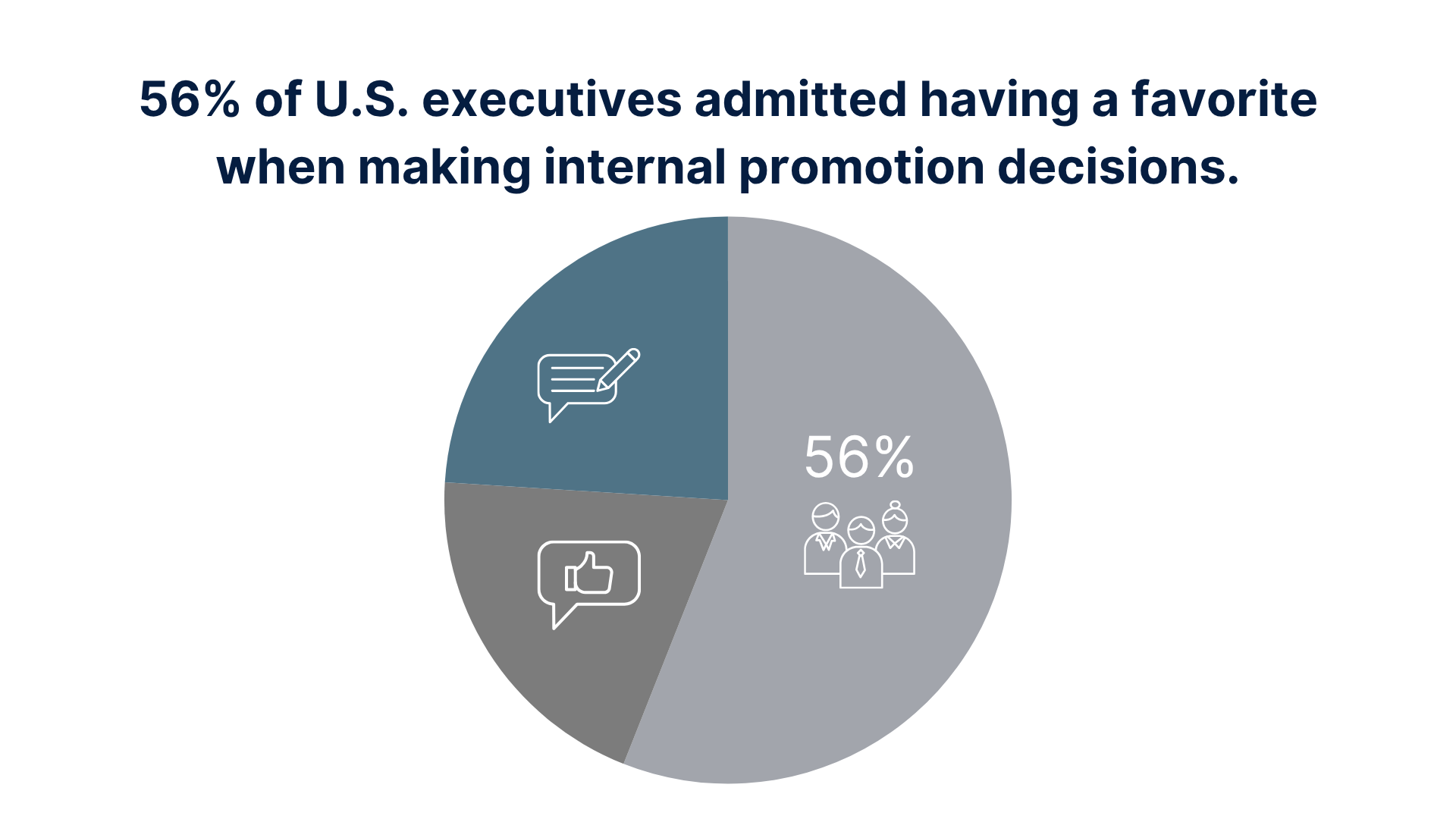
One study shows that 56% of U.S. executives admitted having a favorite when making internal promotion decisions.
Of those, 96% would rather promote their preferred employees than one with better competencies for the position.
Although favoritism may develop unconsciously, its effects are immediately visible.
Nepotism in the workplace is favoritism taken to an extreme, where a leader openly favors relatives or family members in hiring, promotions, or awarding opportunities.
Although not inherently bad, nepotism becomes problematic when it’s done without regard to qualifications or merit and creates a culture where personal relationships matter more than fair employment.
Favoritism that crosses the legal threshold becomes employment discrimination, which means treating workers less favorably based on protected characteristics like race, gender, age, religion, or disability status.
Whether it be overt or subtle, discrimination is illegal and a clear sign of a lack of ethics in the workplace and leadership’s failure to treat all employees with equal respect and opportunity.
Even well-intentioned leaders can have an unconscious bias that influences their decision-making. Unlike overt discrimination, this often manifests in seemingly neutral decisions that consistently disadvantage certain groups.
Its cultural impact is particularly insidious because it operates below the surface, making it challenging to identify and address.
Employees from underrepresented groups may notice patterns without being able to point to specific discriminatory acts.
Meanwhile, the leader remains unaware of their biased behavior, preventing them from making necessary changes to create a more inclusive environment.
There’s a clear connection between leadership and team performance.
Research demonstrates that effective leaders provide clear direction, listen to employees, encourage problem-solving as learning opportunities, and inspire calm conflict resolutions.
High-performing teamwork also involves mutual trust, shared contribution of energy and ideas, and responsibility for work quality.
So, what happens when these are missing in the workplace?
When leaders fail to demonstrate these qualities, the impact on team performance becomes immediately apparent.
The following characteristics represent the most damaging gaps between what teams need and what poor leaders provide.
One of the main characteristics of bad leadership is taking credit for success but deflecting blame for failure.
Such behavior damages team performance as employees become risk-averse, knowing they’ll bear the consequences of setbacks while receiving little credit for their achievements.
The lack of leadership accountability also means systemic issues go unaddressed, as the leader refuses to acknowledge their role in creating or perpetuating problems.
Trust serves as the foundation for effective teamwork.
In its absence, teams cannot achieve their full potential.
Unfortunately, some leaders assign responsibilities without providing the necessary resources, authority, or information, setting employees up for failure.
Others avoid delegating altogether, holding onto tasks that should be allocated among team members, and stalling progress and development.
This behavior reflects a fundamental inability to trust workers’ capabilities and often originates from the leader’s need to maintain control.
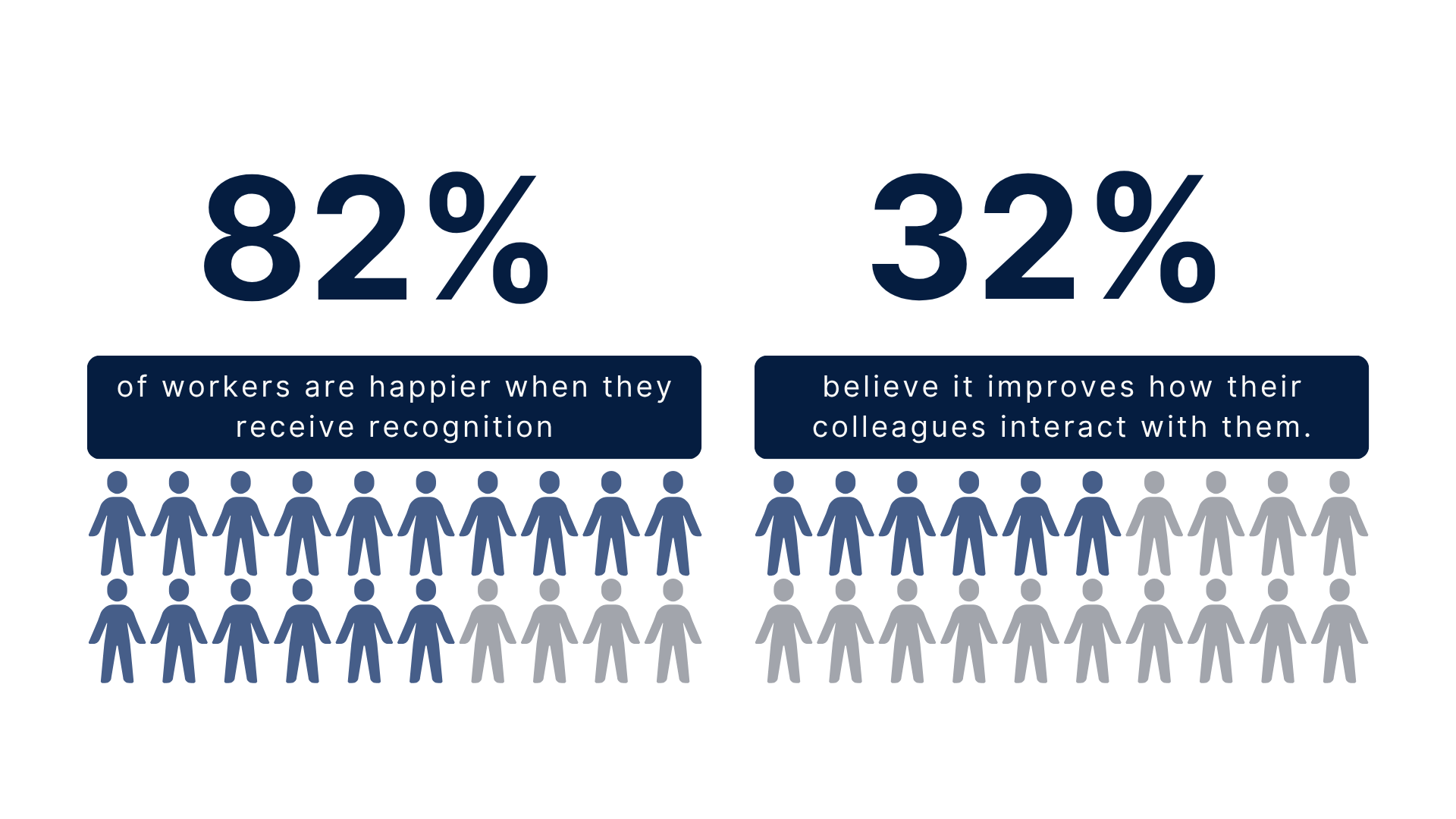
According to SurveyMonkey, 82% of workers are happier when they receive recognition, and 32% believe it improves how their colleagues interact with them.
So, when an employer, manager, or supervisor fails to recognize and provide feedback, this is a characteristic of bad leadership that can disrupt individual and team work.
These leaders only provide feedback or recognition during formal review periods (or not at all), missing opportunities for real-time course correction, constructive criticism, or reinforcing positive behaviors.
Alternatively, their feedback can be vague and unhelpful, and their recognition impersonal, which doesn’t help employees understand how to improve or motivate their performance.
Finally, inconsistent leaders change their priorities, communication style, or expectations without warning or explanation. They may be supportive one day and critical the next, or they might enforce rules strictly with some team members while ignoring violations from others.
This unpredictability creates confusion about standards, goals, and priorities, making it difficult for teams to plan effectively or make decisions.
Even exceptional leaders make mistakes.
They can misread a situation, occasionally lose their temper, make a poor hiring decision, or fail to communicate important information.
These isolated incidents don’t define or diminish their managerial potential.
So, at what point do they cross the line?
It happens when an employer, manager, or supervisor repeatedly engages in harmful behaviors without accountability or remorse.
Bad leaders don’t just make mistakes; they repeat the same mistakes, often escalating their negative behaviors rather than learning from them.
They cross ethical boundaries, prioritize their interests above those of their team, and create toxic environments that drive away talented employees.
Constant dishonesty and a lack of integrity reflect a deeper failure of character, not just poor leadership judgment.
Even worse, this pattern of deliberate deception tends to escalate, corrupting the workplace culture and creating long-term damage.
Once trust is broken repeatedly, it becomes nearly impossible to restore.
Employees shift their focus from collaboration and innovation to second-guessing, fact-checking, and protecting themselves, which can drain productivity and morale.
Leaders who consistently prioritize their progress over their company or team’s success reveal their true priorities through their actions. Every choice becomes a calculation of personal benefit rather than organizational need.
This behavior is particularly harmful because it corrupts the decision-making process that teams rely on for direction and support.
The most damaging leadership failure involves ignoring or actively participating in unethical behavior.
These leaders might tolerate harassment, overlook discrimination, or pressure employees to engage in questionable practices, compromising the integrity of the entire company.
Such leadership erodes trust, damages culture, and can have serious legal, financial, and reputational repercussions.
Recovery, if it’s possible at all, can take years.
Poor leadership qualities aren’t just anecdotal complaints of dealing with a bad boss.
They have measurable, far-reaching consequences.
Lost innovation, decreased efficiency, higher turnover, and the ripple effects of disengaged employees cost trillions of dollars.
When leaders fail to lead, the economic toll builds across every level of business operations.
A comprehensive analysis by Forbes reveals how influential leadership is to employee engagement and, ultimately, retention.
Workers are significantly more engaged when they feel their job has a purpose and when leadership provides clarity. Yet, only 22% of employees strongly agree that their leaders have a clear direction for their organization.
Even more concerning, just 28% believe leadership genuinely cares about their health and well-being despite this being the top driver of engagement.
Empathy also plays a crucial role: 76% of employees with empathetic managers report being very engaged, but more than half (52%) view their leaders’ empathy as disingenuous.
While recognition is a proven motivator, boosting engagement by up to 40%, over 80% of employees say they don’t receive enough.
When leaders fail to communicate direction, show authentic care, or provide meaningful recognition, disengagement turns into turnover.
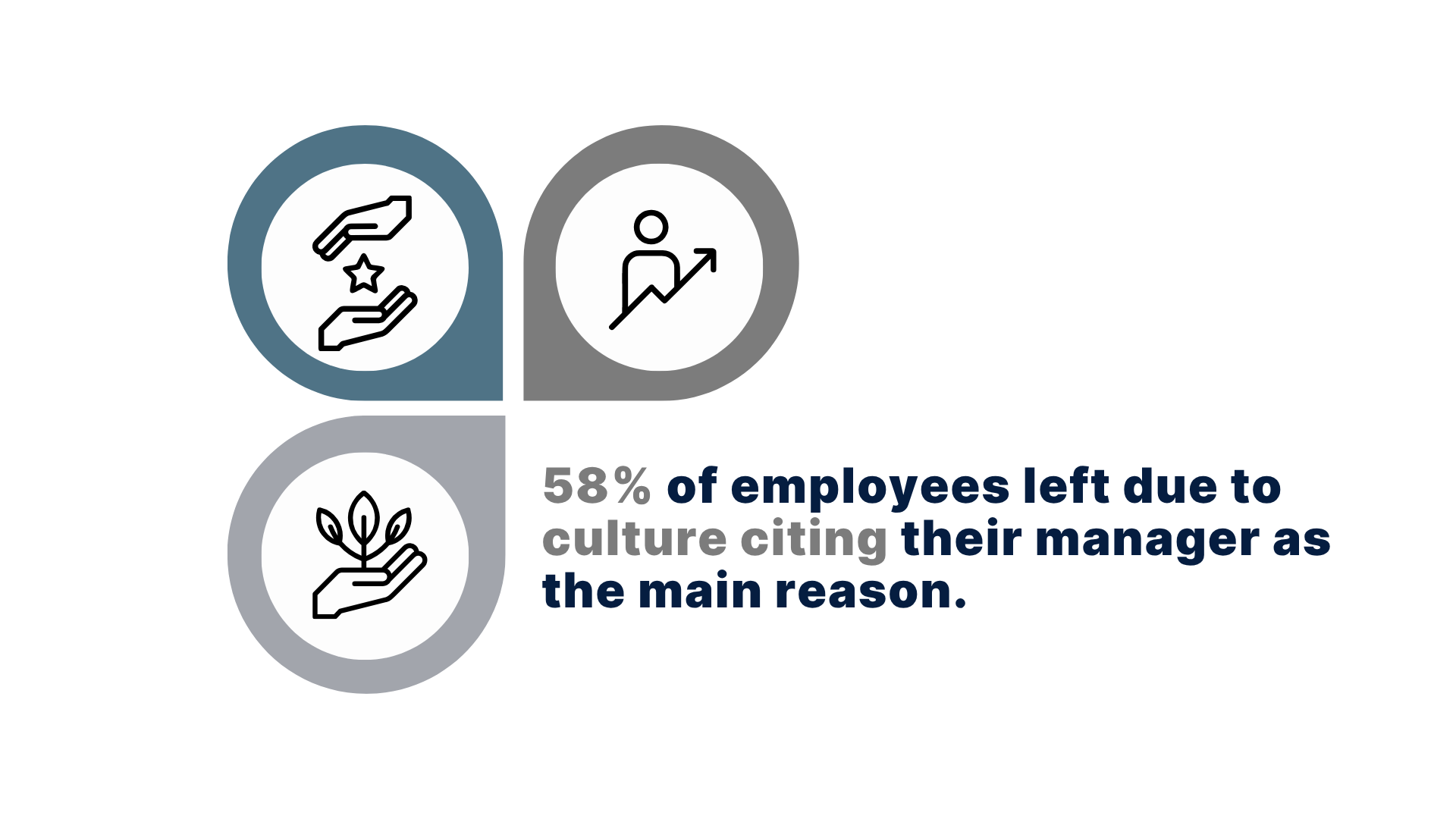
According to SHRM, a toxic culture is a leading cause of low retention, with 58% of employees who left due to culture citing their manager as the main reason.
Over the past five years, this disconnect has cost U.S. businesses an estimated $223 billion in turnover.
The price of bad leadership is adding up.
Gallup estimates that the cost of poor management and lost productivity from not engaged or actively disengaged employees is $8.8 trillion, or 9% of the global GDP.
It’s what happens when the workforce becomes increasingly frustrated and demotivated.
Projects take longer to complete. Absenteeism rises, customer satisfaction plummets and the company struggles to meet its strategic objectives.
Toxic behaviors, unethical decisions, or a culture of neglect can quickly spread outside the workplace, impacting customer trust, deterring top talent, and drawing negative public attention.
Over time, companies that don’t address this issue develop reputations as difficult places to work and can damage their brand long term.
When this happens, rebuilding a damaged reputation is far more costly than the price of early intervention.
Often, poor leadership hides in plain sight.
Dysfunctional patterns can become normalized over time since we tend to adapt to routine.
As a result, warning signs may go unnoticed until they manifest more clearly, such as declining morale, increased turnover, or reduced performance.
Identifying the bad leadership qualities and their consequences requires a deliberate effort to assess what may have been accepted as standard practice.
Regardless of how normalized poor leadership becomes, warning signs will inevitably emerge:
While these are the primary indicators, poor leadership can manifest in smaller actions: unclear meeting agendas, avoiding tough conversations, failing to recognize employee contributions, or playing favorites within the team.
Once the warning signs are clear, the next step is moving from observation to action.
HR software can find the patterns many would easily overlook.
These systems track metrics like team turnover rates, employee satisfaction scores, performance review ratings, and internal transfer requests, allowing HR teams to spot problematic trends before they become serious problems.
Advanced HR systems can also monitor time and attendance data, meeting frequency and goal achievement rates to provide objective measures of leadership effectiveness.
By comparing these metrics across different teams and managers, companies can identify which leaders consistently achieve better outcomes and which ones may need additional support or intervention.


Finally, the best way to identify poor leadership qualities is to ask those who are most concerned—the employees.
Asking for feedback or conducting assessments can surface patterns that are not usually observable.
Meanwhile, anonymous surveys create safe channels for workers to share honest feedback about their managers without fear of retaliation.
Combined with structured interview processes during performance reviews and exit interviews, these tools help identify recurring issues tied to specific leaders or departments, setting the stage for actions that can transform poor leadership.
After identifying one or several characteristics of bad leadership, the next step is correction and transformation.
It’s necessary to recognize that not all management shortcomings are irredeemable. Many leaders simply lack the skills, awareness, or support needed to succeed.
Their transformation lies in providing structured development opportunities that address specific weaknesses while building on existing strengths.
Professional executive coaching provides targeted development for specific challenges.
Through personalized guidance, these professionals can help identify blind spots, create accountability structures, improve communication, and strengthen decision-making and conflict-resolution skills.
Effective coaching programs combine one-on-one sessions with real-world applications, allowing leaders to practice and refine new behaviors, navigate difficult conversations, and develop their managerial style.
Good leaders recognize their mistakes, but great leaders learn from them.
This, however, requires strong self-awareness and, therefore, emotional intelligence.
Building them may be the most challenging aspect of leadership development, but also the most transformative.
It starts with reflection: understanding personal behaviors, recognizing emotional triggers, and being honest about how your actions affect others.
Feedback from others can also help, offering perspectives that help expose blind spots and challenge beliefs.
From there, leaders can use coaching, assessments, or mindfulness practices to develop empathy, regulate emotional responses, and learn better communication habits.
Unlike emotional intelligence, leadership skills can be much easier to overcome.
However, they are specific and require deliberate learning and practice.
These include active listening, clear communication, delegation, conflict resolution, strategic thinking, and more.
Many struggling leaders haven’t had formal training in these areas and operate based on instinct or outdated management approaches.
Structured leadership development programs can address these skill gaps through workshops, exercises, and mentorship opportunities, while regular follow-up and reinforcement help ensure that new behaviors become permanent habits.
While poor leadership qualities cost organizations trillions of dollars globally, the opposite is equally true: good leadership creates exponential value and a self-sustaining growth cycle in which current good leaders develop future good leaders.
This transformation represents one of the highest-return investments any company can make.
When leaders inspire rather than intimidate, empower rather than control, and recognize employees instead of taking credit, they create company cultures that succeed regardless of external challenges.
However, the key is realizing that identifying poor leadership qualities is only the beginning of creating significant change.
The real work starts when companies commit to systematically addressing these issues rather than hoping they’ll resolve themselves.
The goal isn’t perfection but continuous improvement and a commitment to supporting leaders and their teams.
Content Writer at Shortlister
Browse our curated list of vendors to find the best solution for your needs.
Subscribe to our newsletter for the latest trends, expert tips, and workplace insights!
Unveil the role of employee background checks in the hiring process and their importance in creating a safe work environment.

Following a wave of mass resignations, employees unsatisfied with their new jobs faced the “Great Regret.” Now, a new workplace trend is on the rise.

Why are your employees leaving? Asking the right exit interview questions reveals the pattern behind high turnover and transforms offboarding into a roadmap for retention.

Revitalize your approach to remote work with innovative virtual programs and strategies, seamlessly uniting in-office and remote teams for a comprehensive well-being experience.
We're working hard to make it easy for you. Sign up for news, trends and insights.