Health Benefits and Perks

Including Health and Wellness Gifts in Employee Perks 

With burnout at record highs and engagement declining for a second consecutive year, perks that signal genuine care are outperforming perks that mainly serve as employer branding.
In This Post:

A decade ago, ping-pong tables and office beer fridges were headline-grabbing recruitment tools. Today, most candidates scroll right past them. 

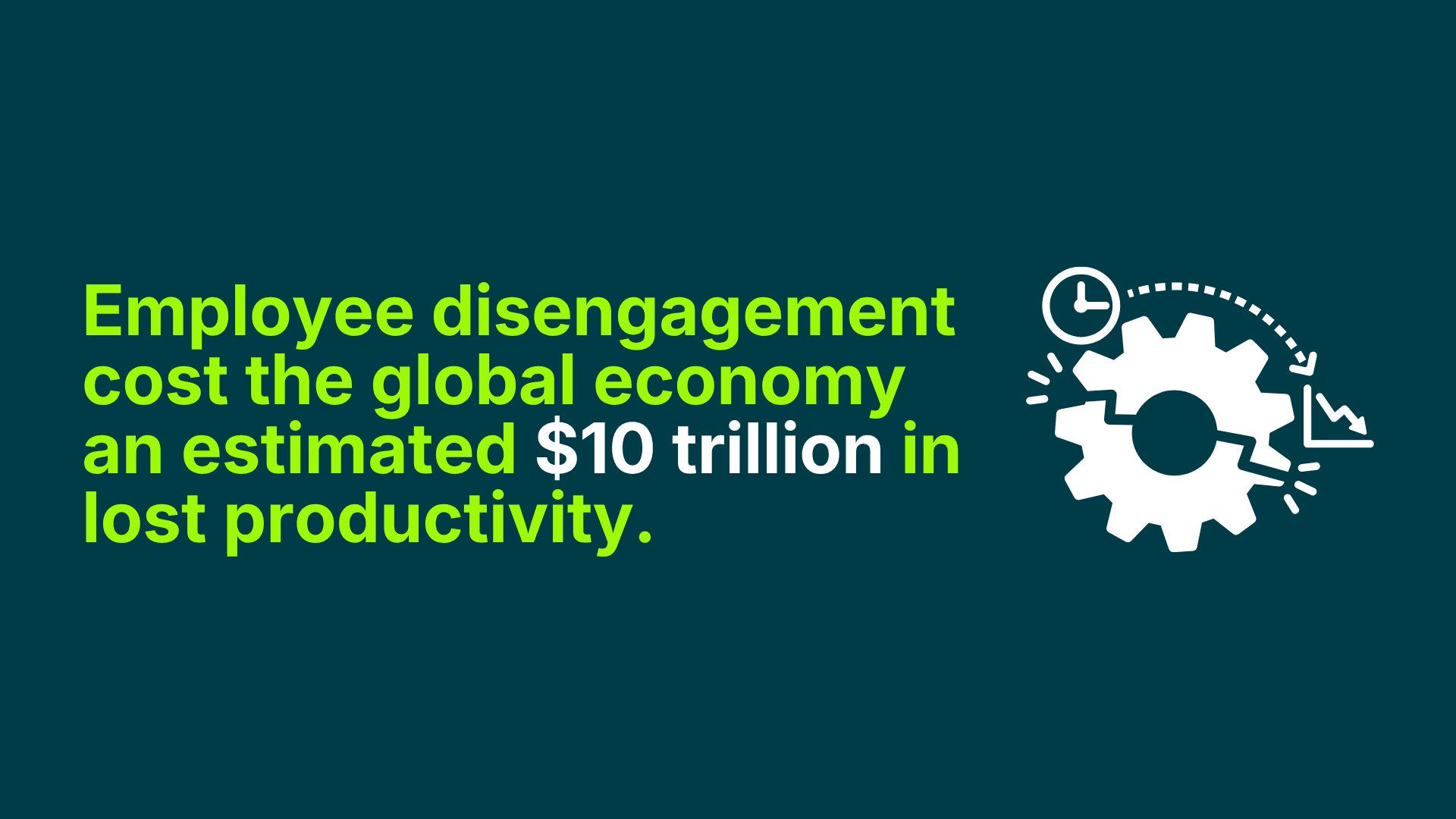
This change did not happen overnight, but the signals are hard to ignore. According to Gallup’s 2026 State of the Global Workplace report, global employee engagement dropped to 20% in 2025, and that decline cost the global economy an estimated $10 trillion in lost productivity.  

Given this context, HR leaders are starting to treat perks less as recruitment magnets and more as levers for the engagement problem itself. One category in particular gaining traction is health and wellness gifts that are designed to support well-being beyond the standard benefits package. 

The Disconnect Between Offerings and Expectations

The biggest work reset occurred during the pandemic era, when employees began to reassess what they truly value. Free lunches and gym passes lost relevance when teams went remote, and the return to hybrid work has not fully restored their appeal. 

According to Bank of America’s Workplace Benefits Report, 70% of employees planned to stay in their current role for the next year, and the top reason was not compensation but work-life balance (66%) 

When people rank flexibility and personal well-being above salary, the implications for perks strategy are hard to ignore.  

And the current economic anxiety only adds to the problem. MetLife’s 2025 study revealed that 77% of employees cite rising medical costs and 68% point to economic uncertainty as their primary stressors.  

Perks that feel disconnected from those realities, however fun they seem, tend to fall flat. 

What Changed in the Employer-Employee Dynamic

Every employment relationship runs on a set of unspoken expectations. Organizational psychologists call it the psychological contract – the belief that if an employee shows up, performs, and stays loyal, the organization will reciprocate in turn with stability, development, and care.  

However, when employees feel that their side of the bargain is no longer being met, loyalty becomes harder to sustain. 

2025 study published in the Inverge Journal of Social Sciences confirmed that perceived breaches of this social contract increased turnover intentions while weakening both job satisfaction and organizational commitment. Several years of layoffs, return-to-office mandates, and benefit rollbacks have tested that contract at scale recently. 

So, what does any of this have to do with wellness gifts? 

Quite a lot. When the psychological contract feels strained, gestures of care carry more weight. A wellness gift will not repair broken trust on its own, but it can act as a signal that an employer recognizes the whole person behind the role.  

The Psychology Behind Wellness Gifts

Behavioral economist Dan Ariely’s research on social versus market norms suggests that gifts activate reciprocity instincts that cash does not.  

For example, a $50 wellness kit generates a different emotional response than a $50 addition to a paycheck, because the kit feels chosen, personal, and intentional.  

Ariely’s experiments found that when a gift’s monetary value was explicitly stated, participants reverted to transactional thinking. 

For HR strategy, it means that cash bonuses and salary increases are in line with market norms. They set expectations, invite comparisons, and often become the new baseline.  

A curated wellness gift, on the other hand, operates in the space of social exchange. It communicates something a paycheck cannot – we thought about what you might actually need. 

Of course, no amount of wellness gifts will offset a toxic work environment or a below-market salary. But when foundational conditions are met, the psychology of reciprocity turns a relatively low-cost gesture into an outsized driver of goodwill. 

Which Health and Wellness Gifts Resonate?

Shortlister’s Workplace Wellness Trends Report for 2026 now tracks over 290 active product categories across the marketplace, many of which did not exist a few years ago.  

Holistic well-being categories have grown an average of 107% over five years, and mental health has ranked as the most searched benefit category from 2020 to 2025. 

Where step challenges and biometric screenings once defined the wellness category, employers are now investing across physical, mental, financial, and family dimensions simultaneously. 

The categories below reflect where employer investment and employee need are currently converging. 

Physical Health Gifts

Physical wellness gifting has evolved beyond gym memberships and branded water bottles. Subscriptions to fitness platforms, ergonomic home office equipment, and nutrition-focused delivery services all fall into this category.  

Weight management has become one of the clearest signs of how quickly physical wellness priorities are changing. 

One report found that 75% of brokers reported increased client investment in weight management, a 109% rise compared to 2023 survey levels. Much of that momentum is due to the popularity of GLP-1 medications like Ozempic, Wegovy, and Mounjaro.  

According to a 2025 SHRM Employee Benefits Survey, roughly 23% of employers now offer GLP-1 coverage for diabetes or weight management, and among firms with 5,000 or more employees, that figure climbs to 43%. 

Gifts for health and wellness, work best when they support healthier habits without touching personal health details too directly. 

Mental Health and Stress Reduction

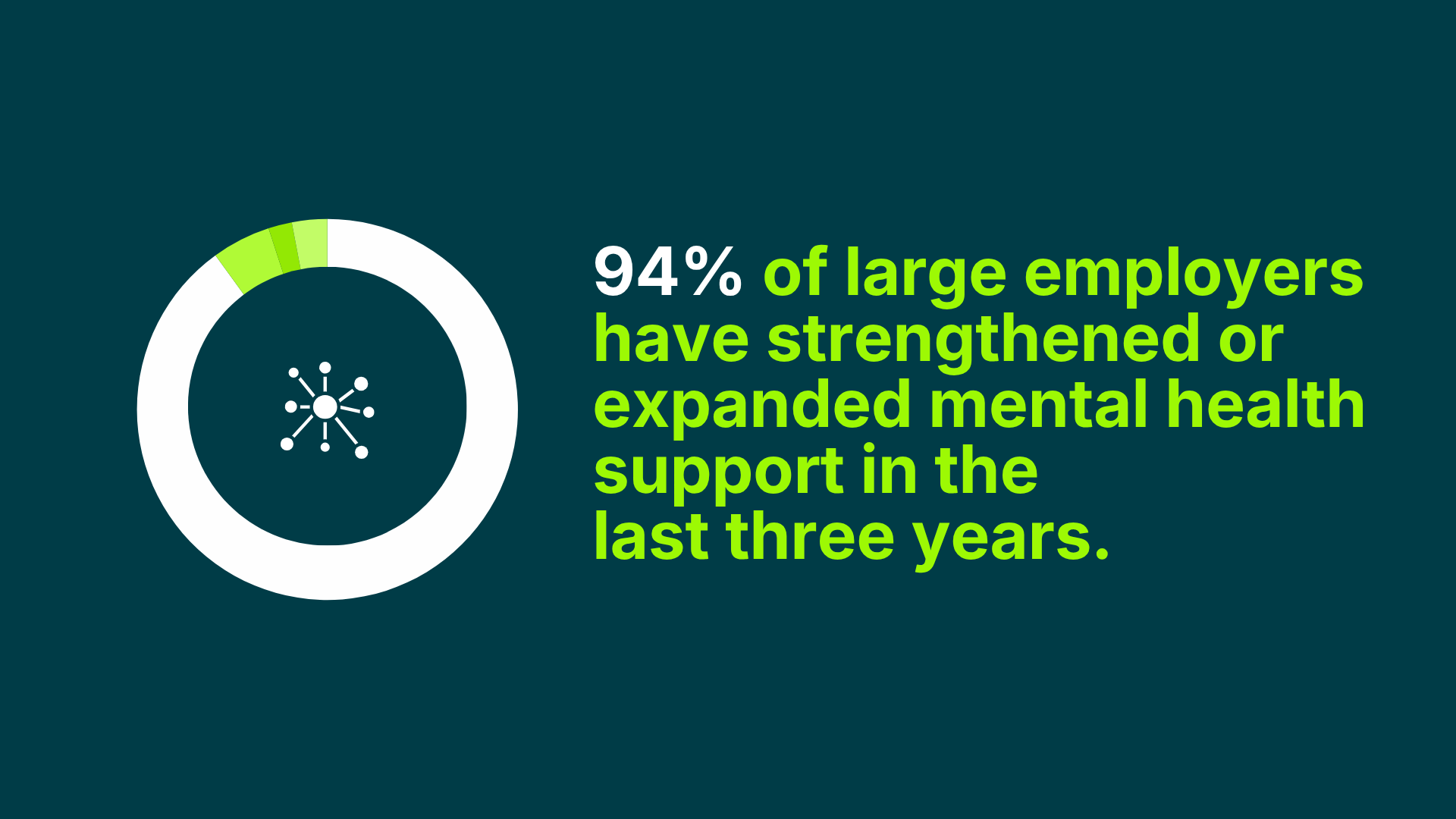
A recent Mercer survey found that 94% of large employers have either strengthened mental health coverage, increased support, or launched new mental health programs within the last three years, making it the fastest-expanding benefits category across the board. 

Shortlister’s own platform data also confirms this trend – search activity for mental health and behavioral solutions increased 21% between 2020 and 2025 off an already high base. 

Gifts targeting mental health might include meditation app subscriptions, weighted blankets, journaling kits, or light therapy lamps. These are particularly relevant during the winter months or for remote workers who face higher rates of loneliness 

Financial Wellness

Financial stress is often categorized separately from health, but the two are deeply intertwined. Employees living with high financial stress experience higher rates of anxiety, sleep disruption, and absenteeism.  

Gift cards to grocery delivery services, prepaid wellness experiences, or contributions to employee emergency funds address financial pressure through a wellness lens.  

Organizations exploring wellness companies as part of their broader perks strategy can often find vendors that bundle financial and physical wellness offerings into a single platform. 

Top Workplace Wellness Providers

TOP VENDOR
WebMD Health Services

WebMD Health Services

5.0
We're passionate about empowering well-being in everyone. It's been our purpose for over 25 yea...
Zomo health

Zomo health

3.9
Personalised wellness solutions driving engagement, better health, and ROI for organisations si...
TOP VENDOR
Mobile Health

Mobile Health

Reviews pending
A personalized digital health and wellbeing platform that drives healthier population and reduc...

How to Build a Gifting Strategy Without Inflating the Budget

Most HR leaders assume that meaningful health and wellness gifts require a large budget, but the data consistently says otherwise. 

Research found that 43% of employees feel valued when given regular corporate gifts, regardless of the dollar amount. In other words, frequency and personalization matter more than price tags. 

With that in mind, a strong gifting strategy should start with a few practical decisions that keep costs controlled while still making employees feel seen. 

1) Start With a Listening Phase

Before selecting gifts, HR teams benefit from surveying employees about their actual needs. A short pulse survey asking what would most improve daily well-being tends to surface answers that differ from what leadership assumes.  

For example, some teams may ask for sleep support, while others might ask for help managing childcare logistics or meal prep. 

2) Structure Gifts Around Milestones

Rather than a single annual gift, consider distributing wellness gifts across the year tied to important milestones – onboarding, work anniversaries, completion of a major project, return from parental leave, or the end of a particularly demanding quarter. Instead of relying on a single big gesture, HR can use smaller, well-timed gifts to make recognition feel more consistent.   

3) Keep It Choice-Driven

The best wellness gifts for women may look different from those that resonate with new fathers or with employees nearing retirement. Offering a curated selection, where each person picks what suits them, avoids the limitations of a one-size-fits-all approach. That choice also makes the gift feel less like a blanket perk and more like a small act of respect for different life stages, priorities, and routines. 

Measuring The ROI of Wellness Gifts

Skeptics will ask whether wellness gifting produces measurable ROI. The honest answer is that isolation of a single perk’s impact is difficult, but directional indicators are available. 

Employers should track participation rates in wellness gift redemption, changes in eNPS (employee Net Promoter Score) following gifting campaigns, and year-over-year trends in turnover and sick days.  

Wellhub’s report, based on a global survey of over 1,500 CEOs, found that 82% reported a positive ROI from their wellness programs. Among those, 78% reported returns greater than 50%, and roughly 30% saw returns exceeding 100%. 

Therefore, the better approach is to treat wellness gifts as one input in a larger employee experience strategy, then watch how the signals shift. If retention and engagement scores rise after a gifting program launches, that pattern is worth examining, even without perfect attribution. 

On a Final Note

Incorporating health and wellness gifts into an employee perks strategy is not a radical proposition. In fact, it is a practical response to a workforce that is simultaneously burned out, economically anxious, and looking for employers who treat well-being as more than a branding exercise. 

The biggest takeaway is that the best health and wellness gifts do not need to be expensive – they just need to feel chosen with care and connected to what employees actually need. 

Written by Ivana Radevska

Senior Content Writer at Shortlister

Wellness Companies

Browse our curated list of vendors to find the best solution for your needs.

Stay Informed

Subscribe to our newsletter for the latest trends, expert tips, and workplace insights!

Related Posts

The Future of Child Care Benefits

The high cost of child care, coupled with the pressure it puts on working parents and its long-term effects on employee productivity and retention, is why we need to look closely at the importance of child care benefits for parents.