

Fair Workplace Practices

Award-Winning Company Culture Examples

Behind every "best workplace" award is a set of invisible rules that shape how decisions are made, how people are treated, and who chooses to stay.
In This Post:
Expert Contributors:
Picture of Edward Tian

Edward Tian

CEO, GPTZero

Picture of Steve Schwab

Steve Schwab

CEO, Casago

Picture of Seamus Nally

Seamus Nally

CEO, TurboTenant

Picture of Alec Loeb

Alec Loeb

VP of Growth Marketing at ecoATM/Gazelle

What distinguishes employers that repeatedly appear on “best places to work” lists? The answer is culture, more than any single program or perk.

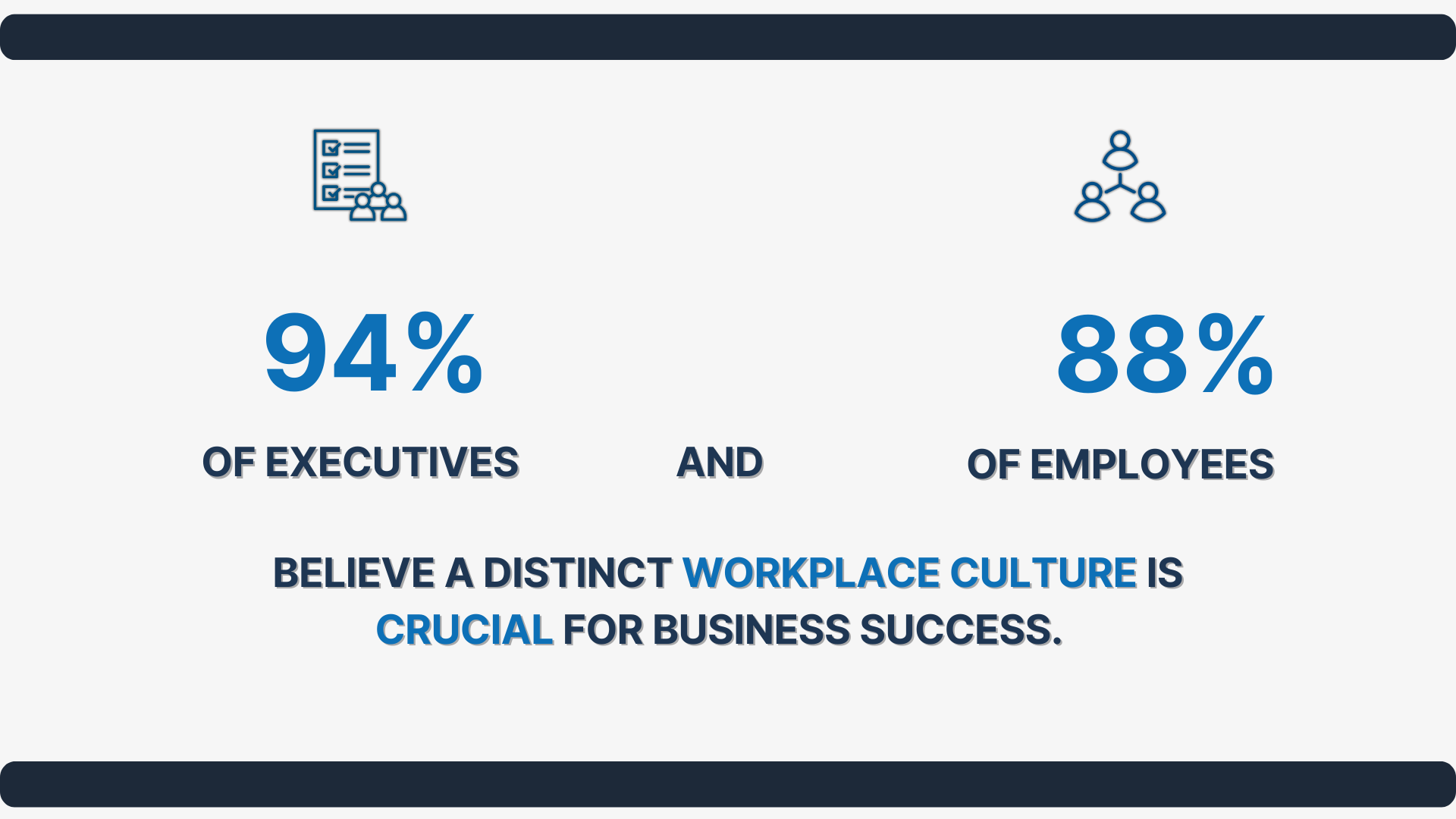
Research shows 94% of executives and 88% of employees believe a distinct workplace culture is crucial for business success. 

It’s clear that investing in company culture pays off, but how do award-winning organizations actually achieve it?

This article explores real-life company culture examples and defines the core behaviors, systems, and rituals behind them.

What Defines a Strong Company Culture?

Understanding company culture requires looking beyond the flashy perks, free snacks, or trendy offices. While every organization’s culture is unique, high-performing cultures tend to share a few core elements. 

Shared Values

Strong cultures are rooted in clear, shared values that everyone is familiar with and lives by. These values are the guiding principles that align everyone’s behavior and decisions. 

More importantly, when employees believe in the mission and values, they feel a sense of purpose and belonging.

“When your workplace is a place where employees feel like they belong – like they are valued and fit into the dynamics – it is inherently a lot more positive,” says Edward Tian, CEO of GPTZero.

Leadership Style

Manager behavior shapes most of the employee experience, yet many organizations still report passive leadership.

In fact, about 50-70% of employees’ work perception is influenced by their direct manager. However, more than half (58%) of American workers say their company’s leadership is not proactive.

This gap calls for leaders who coach, lead by example, and prioritize trust rather than control through fear.

As Alec Loeb of EcoATM explains, “A robust company culture is built on trust. Trust enables teams to move quickly, give feedback, and resolve problems without politics.” 

Communication Norms

How does information flow in your organization? 

The decline in companies asking employees about confidence in leaders, dropping from 54% in 2019 to only 37% in 2024, suggests many organizations avoid these difficult conversations.

In contrast, high-trust cultures keep information flowing openly and transparently at all levels. Teams with open communication encourage questions, feedback, and even healthy debate without fear. 

“I think that in order to have a strong company culture, you need transparency,” notes Seamus Nally, CEO of TurboTenant. “Doing so establishes and builds trust among the entire team, which is integral to success.”

Rituals and Recognition

Successful cultures find ways to celebrate their people. Rituals, traditions, and recognition reinforce what the company values and make employees feel appreciated. 

From all-hands meetings and team lunches to quirky traditions unique to the company, these small acts create a sense of community and shared identity. 

As Steve Schwab, CEO of Casago, puts it, “I don’t mean just having something like ‘employee of the month’ – I mean really focusing on genuine employee recognition, where everyone feels individually seen and valued for all the great things they do, big and small.”

“I don’t mean just having something like ‘employee of the month’ – I mean really focusing on genuine employee recognition, where everyone feels individually seen and valued for all the great things they do, big and small.”

Work Environment

Whether physical or virtual, the work environment also shapes culture.

A welcoming, inclusive workspace is one that makes employees feel comfortable, safe, and able to do their best work. 

In a physical sense, this might mean collaborative office spaces, amenities that promote a wellness-oriented company culture, or simply positive energy.

Meanwhile, in remote or hybrid teams, intentional effort is needed to uphold culture across digital channels. The best companies ensure everyone stays connected, using video check-ins, virtual team-building, or occasional meet-ups to maintain a cohesive culture.

The key is designing the work environment, including policies on flexibility or remote work, to support employees’ well-being and productivity.

What are the 4 Core Corporate Culture Types?

Not all companies with strong cultures look the same. In fact, researchers Kim Cameron and Robert Quinn identified four distinct types of corporate culture that organizations tend to fall into. 

Understanding these can help you pinpoint your own culture and where you might want to evolve:

  1. Clan Culture (Collaborative) – A family-like, team-oriented culture that is friendly and people-focused. Leaders are seen as mentors, and the organization is held together by loyalty and tradition.
  2. Adhocracy Culture (Creative) – A dynamic, innovative culture that values risk-taking and agility. Leaders are visionaries who encourage experimentation and out-of-the-box thinking.
  3. Market Culture (Competitive) – A results-driven, competitive culture focused on winning and meeting ambitious goals. Leaders are demanding and push for high performance. Market cultures define success through market share, revenue growth, and achieving measurable targets.
  4. Hierarchy Culture (Controlled) – A reliable, process-oriented culture with a formal work environment. Leaders value efficiency, consistency, and good coordination.

Each type has its strengths, and many organizations have a mix of these styles. Therefore, no single culture model is “best.”

Top 20 Award-Winning Company Culture Examples

Learning from real-world company culture examples can be inspiring. The following 20 companies are consistently recognized for their outstanding cultures, and many have won awards or landed on “Best Places to Work” lists.

So, what makes a company a great place to work?

While these examples of company cultures span different industries and sizes, they all share a commitment to putting people first and living their values.

  1. Cisco – A global tech giant with a famously inclusive, caring culture. Cisco has topped the Fortune 100 Best Companies to Work For list multiple times. Employees cite a strong sense of trust and “family” despite Cisco’s size. The company emphasizes diversity, flexibility, and community impact. 
  2. Hilton The hospitality leader that treats its team members as its greatest asset. Hilton was ranked number one in the 2024 Fortune Best Companies to Work For. Hilton offers extensive training and growth opportunities, and even during tough times, such as the pandemic, they maintained their commitment to supporting staff.  
  3. Salesforce – A pioneer of “Ohana” culture, meaning family in Hawaiian. The company is known for its philanthropy (employees get paid time off to volunteer) and transparency. As many as 84% of Salesforce employees say it’s a great place to work, far above the U.S. average. 
  4. HubSpot – A software company obsessed with culture, so much so that it created a 150+ slide Culture Code deck that it updates regularly and shares publicly. HubSpot’s culture is summed up by HEART (Humble, Empathetic, Adaptable, Remarkable, Transparent). They prioritize employee growth and autonomy and default to transparency, where every employee knows the company’s financials and plans.
  5. Zappos – The online shoe retailer is famed for its Delivering Happiness culture. Zappos’ 10 core values create a quirky, tribal culture where everyone is all-in. New hires go through cultural immersion training, and after a few weeks, the company offers them several thousand dollars to quit if they feel it’s not a fit. Hardly anyone takes it, which strengthens their commitment. 
  6. Google – Long celebrated for revolutionizing tech workplace culture. Google’s culture is innovative, open, and employee-friendly. The company has used perks like free meals, on-site wellness, and 20% time for passion projects, not just as gimmicks, but to remove barriers so employees can be creative. 
  7. Patagonia – A purpose-driven company culture focused on environmental activism and employee well-being. The culture values work-life balance heavily, to the point that Patagonia is known for telling employees to go surfing when the waves are good. 
  8. Costco – A retail company known for paying and treating employees exceptionally well. Costco’s culture centers on respect, fairness, and rewarding hard work. Unusual for retail, Costco offers high wages, often double the minimum wage, great benefits, and promotes from within. 
  9. Airbnb – A company whose culture mantra is belong anywhere. Airbnb strives to make employees feel as much at home as the guests using its platform. The culture emphasizes inclusion, open communication, and core values, like being a host. 
  10. American Express – A financial services giant known for its relationship-oriented, employee-supportive culture. AmEx has been on “best companies to work for” lists for years. Unusual for finance, AmEx has a kind environment, and employees often mention how collaborative and friendly the culture is, with leaders who genuinely care about their development.
  11. Wegmans Food Markets – A family-owned regional supermarket chain that repeatedly lands in the top 5 of Fortune’s best workplaces. Wegmans has a cult-like following among both customers and employees because of its culture. They empower front-line employees to go above and beyond for shoppers and treat employees with respect.
  12. Spotify – The music streaming company is known for its agile culture and squad organizational model, which many other firms have tried to emulate. Spotify encourages an experiment-friendly mindset where teams quickly learn from failures, which fuels continuous innovation. 
  13. IKEAIKEA’s culture is often called “a community of co-workers,” emphasizing togetherness, humility, and enthusiasm. They use informal communication (on a first-name basis, even with the CEO) to break down hierarchy. The company invests heavily in training and developing its people, resulting in many long-tenured staff.
  14. Microsoft – A tech giant that underwent a culture transformation in the past decade. Under CEO Satya Nadella, Microsoft shifted from a competitive, siloed culture to one focused on a growth mindset and collaboration. Nadella encouraged teams to learn from failures, break down internal rivalries, and focus on customer solutions together.
  15. Adobe – A software company known for its creativity-centered culture. Adobe believes in enabling employees to do their best creative work by removing traditional corporate constraints. For instance, Adobe famously removed annual performance reviews years ago, replacing them with ongoing feedback and coaching. 
  16. Zoom – Zoom’s culture is often described as humble, happy, and customer-obsessed. Founder Eric Yuan set an early tone of caring by personally responding to employee and customer feedback. Zoom has a value of delivering happiness, which it applies internally via fun traditions, like weekly all-hands meetings where new hires dance.
  17. Bain & Company – A top global consulting firm that frequently tops Glassdoor’s Best Places to Work. In fact, the company was in the number one spot in 2021, 2024, and 2025. Consulting is a demanding industry, but Bain’s culture stands out for its supportive, “apprenticeship” model. Experienced consultants mentor new hires, feedback is constant and constructive, and there’s a strong team spirit – a Bainie never lets another Bainie fail”.
  18. NVIDIA – The leading tech firm famous for its chips and AI technology has quietly built an excellent culture recognized by employees. NVIDIA’s culture blends innovation with support. Employees say NVIDIA feels like a startup because of its fast-moving and cutting-edge projects, but with the stability of a big company.
  19. 3M – The manufacturing and innovation giant 3M has a famous cultural practice known as the “15% Culture,” where every employee is encouraged to spend 15% of their time working on passion projects or innovative ideas of their own. The approach encourages innovation and trust, giving employees the freedom to explore ideas that excite them.
  20. 20. Slack – Slack, the workplace messaging platform, nurtures a people-first culture that mirrors its product’s ethos of connection. The company practices an open communication style, and most discussions happen in public channels by default. Uniquely, Slack also enforces work-life balance, where employees are forbidden from using Slack after 6 P.M. or on weekends.

Lessons from Poor Cultural Examples

Just as we can learn from successful company culture examples, cultural failures can teach us a lot, too. 

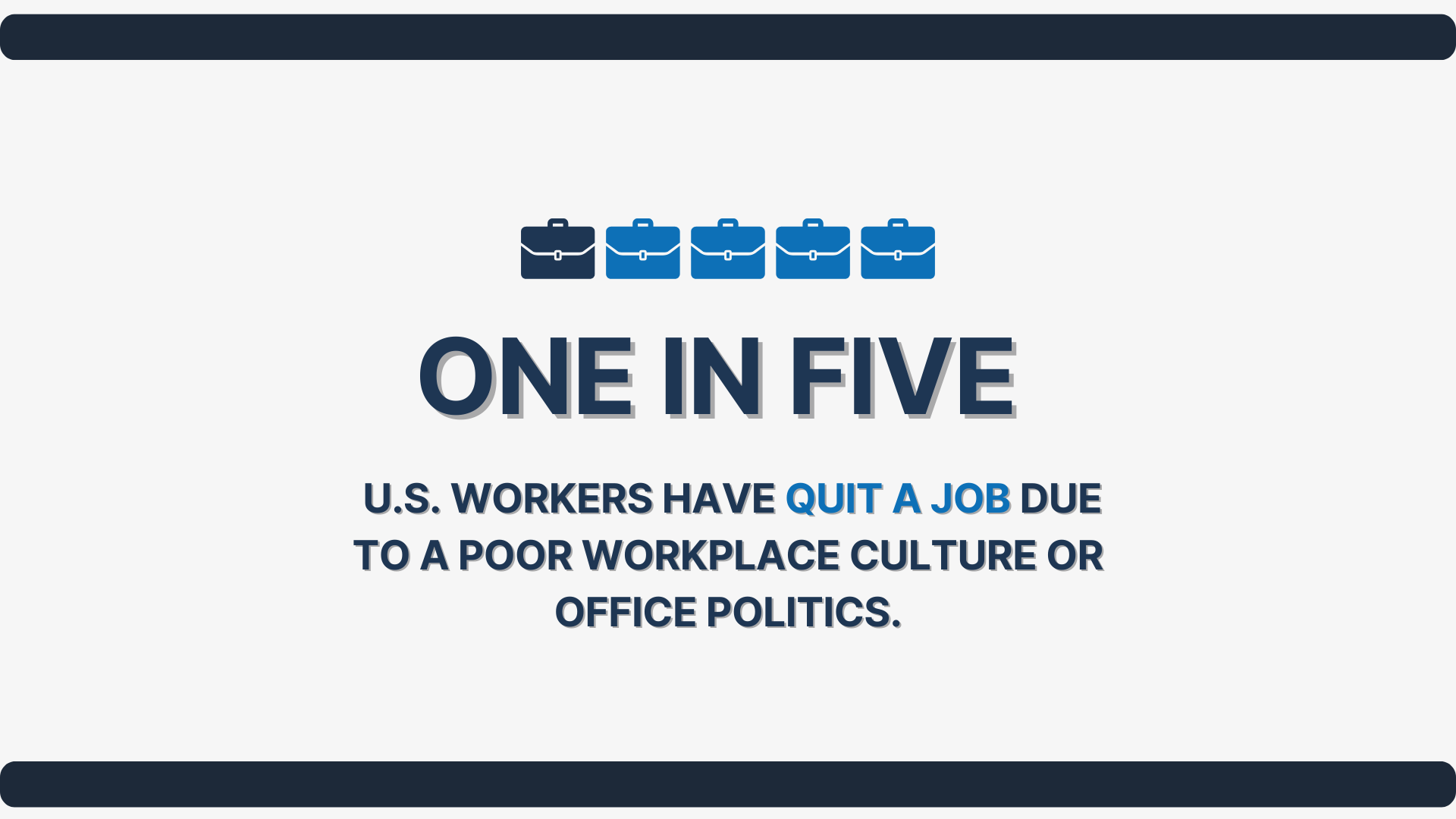
Sadly, many companies have seen how a toxic work culture can damage their reputation and performance. A negative culture isn’t just unpleasant, it’s also costly. Over one in five U.S. workers have quit a job due to a poor workplace culture or office politics. 

In fact, a recent MIT analysis found that a toxic company culture is the number one reason employees leave jobs, far outranking pay. 

High-profile examples are plentiful. 

Uber’s 2017 crisis exposed a culture of harassment and “bro culture” that led to employee protests and leadership changes. Wells Fargo’s fake accounts scandal revealed how an extreme, fear-driven sales culture drove unethical behavior. 

Similarly, Amazon faced backlash in 2015 after a New York Times exposé described a punishing, “bruising” workplace culture in which employees cried at their desks.

These cases show how cultural failures start with red flags that often go unaddressed. Leaving these cultural issues unresolved is risky and costly. 

The good news is that even a damaged culture can be repaired if leadership is willing to listen, acknowledge issues, and make real changes.

How to Describe and Improve Your Own Culture

Reading about winning cultures is undoubtedly inspiring. 

But how do you describe culture in your organization? If the answer isn’t clear, it may be time to examine it closely.

Seamus Nally advises, “If you can’t clearly describe your company’s culture, you should start by talking to your employees directly. Ask them how they perceive the culture, and what changes they would make to make it better.

In other words, begin by listening to your people as they often know what’s working and what isn’t.

To improve it, choose one or two high-priority initiatives to focus on in the next three months. For example, you could launch an appreciation campaign using various employee recognition ideas or focus on developing a culture of well-being.

Then, leverage technology to check engagement levels and standardize people practices:

  • Document norms on response times, meetings, and AI use
  • Align manager training
  • Embed values in talent processes using your HRIS systems 

Finally, monitor and adjust over time. Use pulse surveys, focus groups, and exit interview data to spot cultural drift early. Celebrate progress publicly and make the connection between culture and business results clear so it remains a shared priority.

"If you can’t clearly describe your company’s culture, you should start by talking to your employees directly. Ask them how they perceive the culture, and what changes they would make to make it better."

Conclusion

Ultimately, your culture is not a side project. It’s the operating system that determines how well every other initiative runs. Leaders who treat it as a constant priority, by measuring it, investing in it, and holding people accountable for it, set the stage for sustained performance. 

Almost all award-winning company culture examples teach us that they aren’t static but evolve with the business, market, and their people.

Written by Ivana Radevska

Senior Content Writer at Shortlister

HRIS Systems

Browse our curated list of vendors to find the best solution for your needs.

Stay Informed

Subscribe to our newsletter for the latest trends, expert tips, and workplace insights!

Related Posts

Personify Health MAV Banner

Personify Health – Meet a Vendor

Personify Health is the first personalized health platform to bring together holistic wellbeing, health navigation, and flexible health plan administration solutions into a single connected and engaging healthcare experience.

What’s a 147c Letter?

Explore the purpose and significance of a 147c letter, understand what it is, and when you should request one.

The Earned Wage Access Impact on Employees

The Earned Wage Access Impact on Employees

How can earned wage access reshape the financial reality for employees living paycheck to paycheck? As economic uncertainties persist, this innovative approach to payroll may hold the key to reducing financial stress and boosting workplace productivity.