Shortlister Data

Why Long Sales Cycles Are the New Normal in Benefits?

From multi-month to multi-stakeholder evaluations, long sales cycles reflect a market that has fundamentally changed, favoring vendors that choose preparation over pressure.
In This Post:

The benefits-buying process has grown deliberate at every stage.

Long sales cycles are now a structural feature of the modern benefits market, driven by a sharp rise in research activity and evaluation timelines.

Shortlister’s 2026 Workplace Wellness Trends Report captures the scale of this change, drawing on five years of purchasing behavior across millions of employee lives.

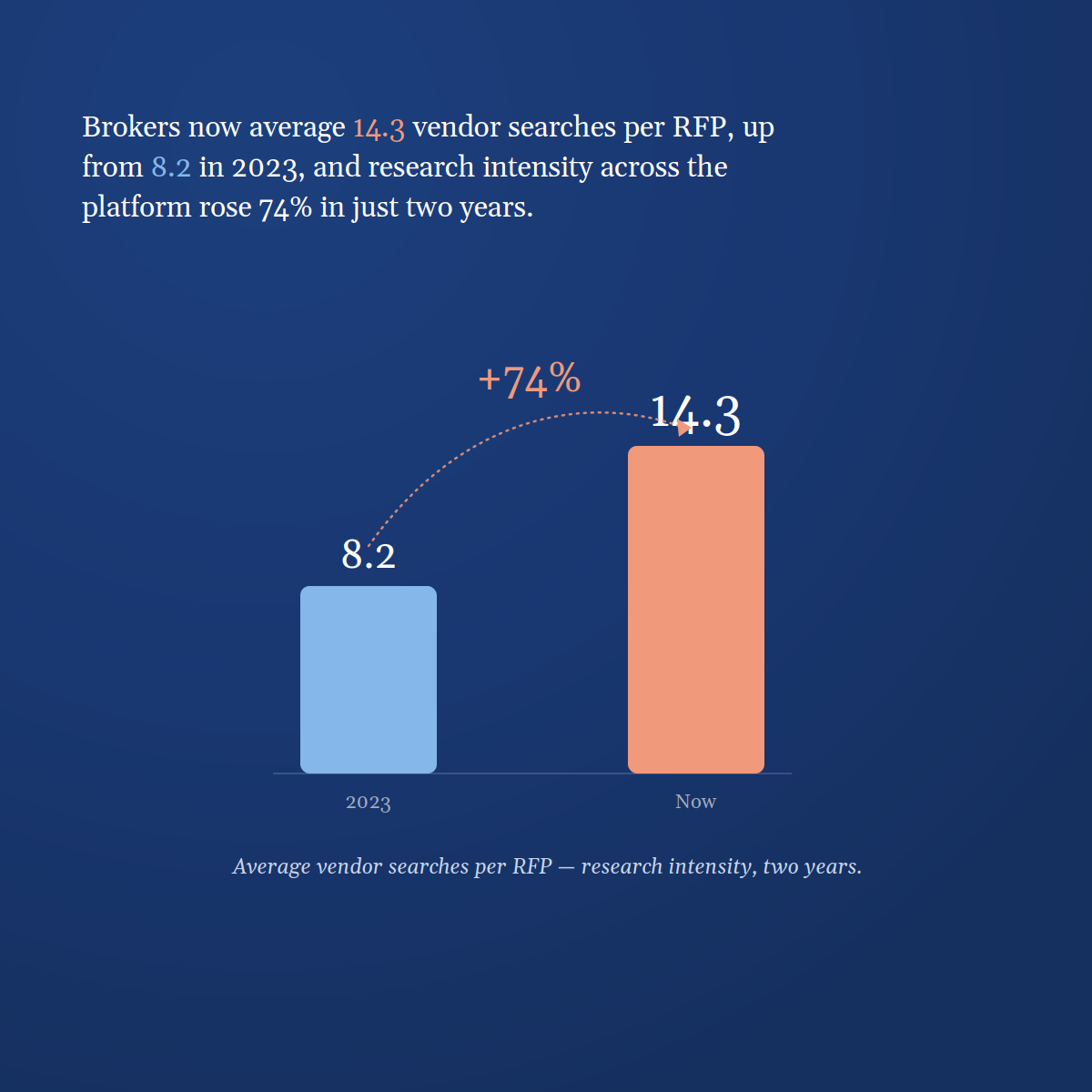
Brokers now average 14.3 vendor searches per RFP, up from 8.2 in 2023, and research intensity across the platform rose 74% in just two years.

This shift reflects a fundamentally different level of scrutiny being applied to vendor selection, and it has direct implications for how benefits vendors should position, present, and prove themselves.

Long Sales Cycles Reflect Thoroughness, Not Indecision

When procurement timelines stretch, vendors often interpret it as hesitation or internal dysfunction on the buyer’s side.

Shortlister’s data points to a different explanation: buyers are doing more thorough work, particularly in enterprise and clinical benefit categories where evaluations routinely run multiple months.

Long sales cycles in these categories reflect the depth of diligence and are often a signal of buying intent.

For example, employers running multi-month evaluations for diabetes management programs or behavioral health solutions may involve clinical reviewers, legal teams, and finance alongside HR, because the cost of choosing poorly is real and compounding.

Understanding that distinction changes how vendors should respond.

Frustration or pressure tactics are counterproductive when the buyer is working through a structured evaluation process designed to improve their decision quality. Instead, patience, useful content, and accessible information become competitive advantages.

The Macro Backdrop: A Structural B2B Shift

The dynamics reshaping benefits purchasing are not unique to the industry. 

Across complex B2B categories, buying has become a multi-stakeholder process where decisions require alignment across more functions and internal validation.

Gartner’s B2B Buying report shows that the average enterprise B2B buying group consists of  5-11 stakeholders, representing an average of 5 distinct business functions

Forrester’s 2026 State of Business Buying report places the average even higher, at 13 internal stakeholders and 9 external influencers, with numbers rising for more strategic purchases.

As buying groups expand, the sales cycle naturally becomes more complex.

According to a Foundry study, the B2B sales cycle has expanded to 6.5 months, up from 4.9 months in 2019, and RAIN Group research found that 43% of sales leaders report their cycles have increased, compared to only 16% who say they have shortened.

For benefits vendors, the Shortlister data sits within these broader patterns, amplified by the multi-year financial and operational stakes that make benefits decisions harder to rush and even harder to reverse.

Buyers Have Done the Research Before You Hear from Them

By the time a vendor receives an RFP, the buyer has already done most of the research.

6sense’s 2025 B2B Buyer Experience report, drawn from a global study of nearly 4,000 buyers, found that first contact with a vendor now occurs at 61% of the way through the buying journey – meaning buyers complete the majority of their research and form preliminary preferences before speaking with a sales contact.

In prior years, that figure sat at 69%, suggesting buyers are engaging slightly earlier than before, but still arriving well-informed and often with a preferred vendor already in mind. In fact, 95% of the time, the winning vendor is already on the buyer’s “day one” shortlist.

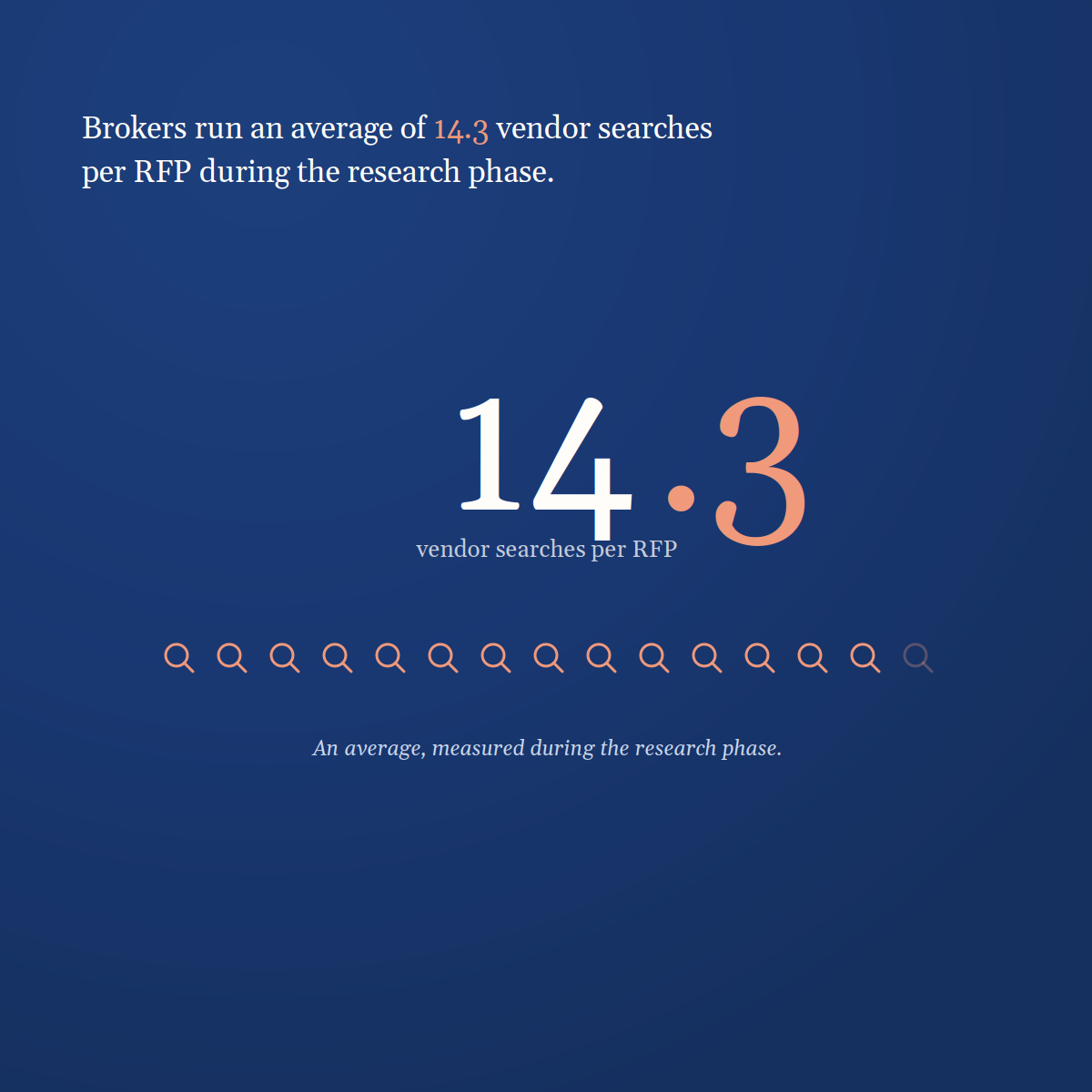
In the benefits market, where brokers run an average of 14.3 vendor searches per RFP across more than 290 active categories, visibility during the research phase is where shortlists are quietly formed.

Vendors that defer engagement until later stages may find that their ability to influence outcomes has become significantly more limited.

Complexity Is a Problem for Buyers Too

It would be a mistake to frame the complexity of modern benefits buying as primarily a vendor problem.

The data suggests buyers are struggling as well.

Forrester’s State of Business Buying research found that 86% of B2B purchases stall during the buying process, and 81% of buyers report dissatisfaction with their chosen providers.

These figures describe a market where even completed decisions often disappoint.

In employee benefits, the conditions of driving that pattern are particularly acute.

The category landscape keeps expanding, internal accountability for spending decisions has broadened, and the evaluation frameworks most organizations rely on were built for a simpler market. 

The result is buyers working harder to reach decisions that hold up over time, and vendors competing across a longer, more crowded process.

As challenges compound on both sides, the quality of engagement between them becomes more consequential than ever.

AI Has Become an Evaluation Gate

Artificial intelligence has reshaped employee benefits fast enough so that buyer expectations have already caught up.

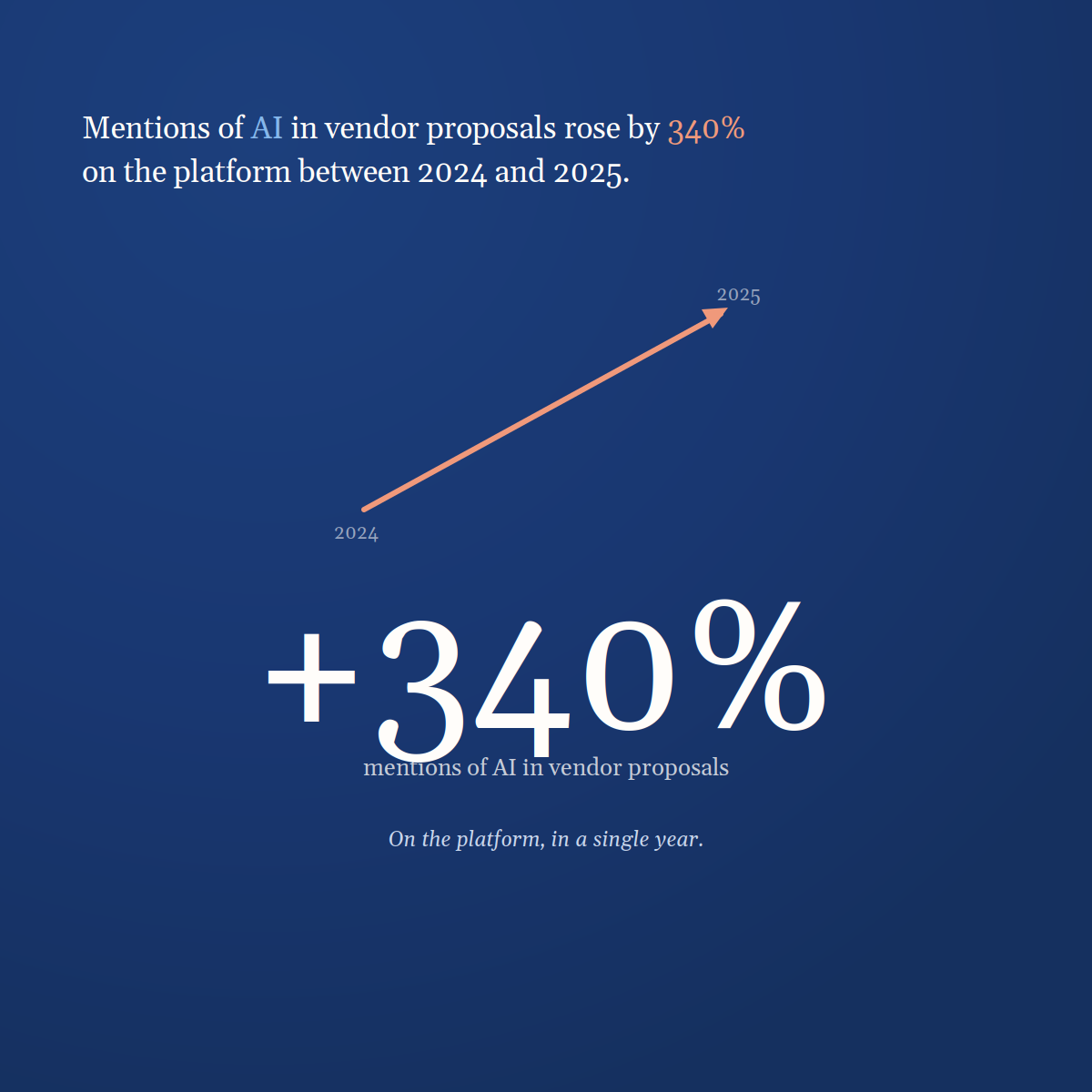
Shortlister’s report found that mentions of AI in vendor proposals rose by 340% on the platform between 2024 and 2025. Employers now expect AI-driven targeting and recommendations as a standard component of finalist evaluations.

This represents a meaningful shift in the definition of a “qualified vendor”.

A few years ago, AI capabilities were a differentiator, often describing more advanced solutions. 

Now, for a growing share of employer evaluations, they function closer to a threshold requirement.

Vendors without a specific, substantiated AI story are being filtered out before later evaluation rounds. Vague references to machine learning or AI-powered features may be worse than no claim at all in an environment where buyers are deeply research-oriented.

What Vendors Should Do About It

Long sales cycles are often treated as a problem to solve.

A more useful approach is to view them as a signal that benefits purchasing has become a highly deliberate process.  One that rewards preparation over pressure.

Success in this environment increasingly depends on building presence earlier in the decision-making process.

Most buyers have formed opinions before vendor conversations begin. 

Therefore, visibility on platforms where brokers conduct research, like Shortlister, combined with credible information that supports thorough evaluations, is a competitive edge. Profile completeness, review quality, and content depth should be treated as core commercial infrastructure.

Vendors must also account for the reality that decisions rarely rest with a single stakeholder.

In a buying group that may include a dozen or more stakeholders, a strong initial conversation can spark interest, but decisions are often later shaped by finance leaders, procurement teams, consultants, and executives. 

Equipping the internal advocate with clear data and ready answers makes it easier for them to sell the solution internally.

Quantifiable outcomes should lead every conversation. Data on cost impact, clinical efficacy, and employee utilization are more persuasive than a general value proposition, particularly when buyers are presenting findings to a broad internal group.

Finally, vendors should plan for multi-month evaluations as the default, not the exception.

The benefits market is not becoming easier to sell into. 

Vendors who take the time to understand what is driving long sales cycles – and adapt accordingly, rather than looking for ways around them – tend to compete more effectively and close with more confidence.

Written by tamara jovanovska

Content Writer at Shortlister

Sales Coaching Software

Browse our curated list of vendors to find the best solution for your needs.

Stay Informed

Subscribe to our newsletter for the latest trends, expert tips, and workplace insights!

Related Posts

Skills That AI Can’t Replace

Which skills are futureproofed with an irreplaceable “human touch,” and how are emerging technologies driving the evolution of workforce skills?