What is a Disregarded Entity?
Weighing the pros and cons of a disregarded entity can help make a more informed decision in selecting the type of business entity that would be the best choice for new business entrepreneurs.
Have you ever felt anxious walking into an annual performance review? Many employees and managers dread traditional staff appraisals, yet nearly every organization relies on them in some form.
Why continue this ritual if it often causes stress and disappointment? The truth is that when done right, appraisals can be a powerful tool for growth – but when done poorly, they can do more harm than good.
In this article, we dive into what is a staff appraisal, how they function, and the impact they have on employee growth and business performance.
So, what is a staff appraisal?
To define staff appraisal in simple terms, it’s ultimately a formal assessment of an employee’s work performance over a specific period, usually conducted by their direct supervisor.
Unlike casual feedback conversations, appraisals create documented records that directly influence compensation, promotions, and development planning.
During a typical appraisal, the manager and the employee review how well goals were met, address strengths and weaknesses, and set future targets.
Companies run appraisals for several reasons, and they do more than simply determine who gets a raise or promotion.
So, what is the purpose of a performance appraisal?
At their core, appraisals align a worker’s effort with business goals. They clarify expectations, reward top work, and identify opportunities to improve. In practice, they typically aim to:
As the year-end approaches, most organizations will begin to evaluate how the business and its people performed over the last 12 months.
Although the staff appraisal process varies by company, most follow a similar sequence:
Ideally, the appraisal process is not a one-off event but part of a broader performance management system that supports continuous improvement.
There is no one-size-fits-all approach to evaluating performance.
Over the years, organizations have developed various performance appraisal methods, each suited to different contexts and cultures.
The classic annual review has dominated corporate America for decades. In this model, goals are set at the beginning of the year and then revisited after 12 months in a formal evaluation meeting.
While familiar to many, this approach often faces criticism for being backward-looking and disconnected from daily work.
In fact, performance management statistics show that more than 9 in 10 managers are unhappy with traditional annual reviews, and almost the same number of HR leaders feel yearly ratings are inaccurate.
For this reason, many organizations now supplement annual reviews with quarterly check-ins or monthly one-on-ones.
As the name suggests, 360-degree feedback gathers perspectives from all directions, from supervisors, peers, direct reports, and the employee themselves.
Since input comes from various sources, 360-degree appraisals can paint a more objective picture of someone’s strengths and areas for growth.
In theory, this is valuable, but in practice, it can breed distrust.
A 2025 survey found 79% of employees would prefer to skip 360 reviews, and 74% said they often yield “unfair, biased, or inaccurate feedback”.
If participants don’t trust the process, a 360-degree review can feel like office politics. When done right, however, with anonymity and constructive guidance, it can highlight strengths and weaknesses from all angles.
Objectives and Key Results (OKR) appraisals originated at Intel and were popularized at Google after John Doerr introduced them in 1999.
Essentially, these reviews focus on agreed-upon targets. At the start of the period, employees and managers set quantitative or qualitative objectives. Performance is then measured strictly against those metrics.
The risk with these appraisals is that targets may be unrealistic or change too often, so it’s important to set SMART goals and adjust them as needed.
Recently, project-based appraisals have also gained popularity as they suit today’s fast-moving or project-oriented environments. Instead of waiting for an annual review, employees are evaluated at the end of each project or on a quarterly basis.
For example, a consulting firm or a software team might review performance after every significant project deliverable.
Project reviews often complement annual appraisals: they provide real-time input and help employees adjust quickly, without waiting for the next quarterly or yearly review.
However, project-based appraisals require a bit more managerial effort in giving frequent feedback, and organizations need to ensure consistency in how each mini-review is conducted.
Many employees have sat through reviews that felt subjective or like a box-ticking exercise. Managers also often feel trapped in an annual ritual.
When done well, however, appraisals are more than an HR formality. They create real value for people and the business.
Appraisals explicitly define what “good” looks like. By reviewing goals and standards, employees gain a clear understanding of what success looks like.
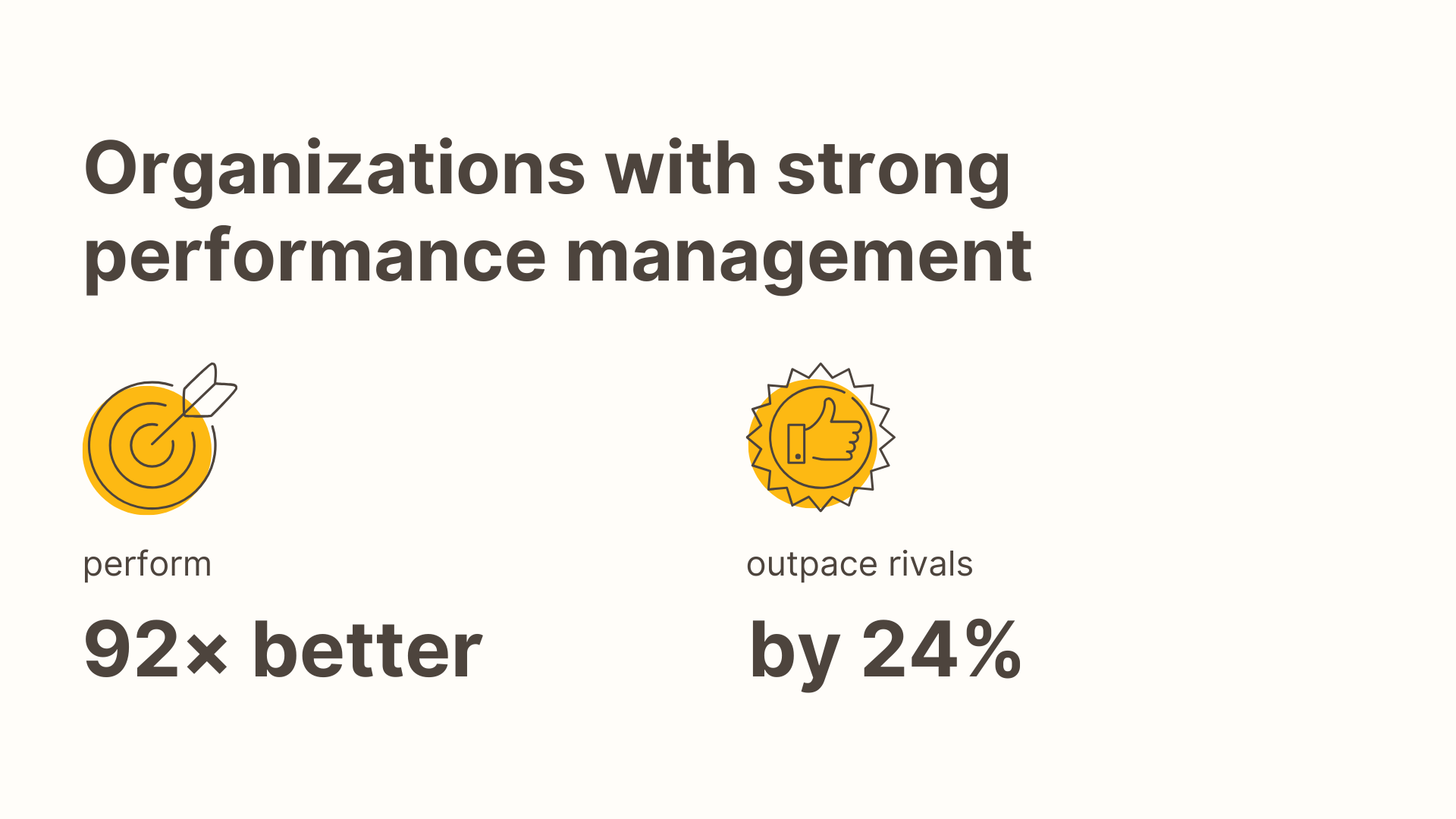
In fact, research shows that organizations with a strong performance management process far outperform others: one study found that companies with solid performance management perform 92 times better and typically outperform their competitors by 24%.
When expectations are clear, there are fewer surprises. Employees know exactly which behaviors and results matter most, and managers have an objective benchmark.
A good appraisal isn’t just about evaluating past work – it’s also a chance to talk about the employee’s future.
What skills would help them progress? Are there training programs or stretch assignments that could build their capabilities?
These conversations uncover professional development opportunities and open the door for coaching, training, or mentoring.
For example, managers can use appraisal discussions to pinpoint areas for improvement and then arrange development plans.
Ultimately, this investment pays off. Companies that excel at internal mobility retain employees for an average of 5.4 years, compared to 2.9 years for those that struggle with development, according to LinkedIn’s Workplace Learning Report.
At its heart, a performance appraisal is a conversation – one that, ideally, strengthens the communication channel between employees and their managers.
In the day-to-day rush, big-picture feedback or career conversations are often pushed aside. The appraisal meeting forces both parties to sit down and talk honestly about how things are going.
Instead of surprise criticism at the end of the year, employees get a chance to speak up about challenges they face.
These conversations also help managers understand any obstacles their team faces.
As a result, teams that meet for weekly feedback are 5.2 times more likely to say they receive meaningful feedback than those that only meet once a year.
A perhaps less obvious, but important, benefit of having an appraisal system is the data it generates for HR and leadership.
When appraisals are documented, they create a valuable data trail.
Over time, HR can use this information to make objective decisions about raises, promotions, or skill-building needs. For example, a pattern of missed goals in one department might signal a training need.
These data trends can reveal who the top performers are and which teams or skills may need attention.
Despite their benefits, staff appraisals are not without some challenges and limitations.
Put simply, humans are imperfect judges. Appraisals can be influenced by many unconscious biases in the workplace, like the halo effect, recency bias, or simply personal preferences. If managers aren’t trained to recognize biases, appraisals can reflect personalities more than performance.
In addition, when appraisals are perceived as biased or unfair, employees understandably become dissatisfied. In fact, studies have shown that if employees feel the appraisal process is not fair, it can lead to reduced job satisfaction and even higher turnover.
Another limitation of traditional staff appraisals is the time and resources they consume. Preparing and conducting performance reviews can be time-intensive, especially in organizations with large teams.
Managers must gather data, write evaluations, meet with each employee, and often fill out detailed forms or systems. All of this can add up to a significant workload.
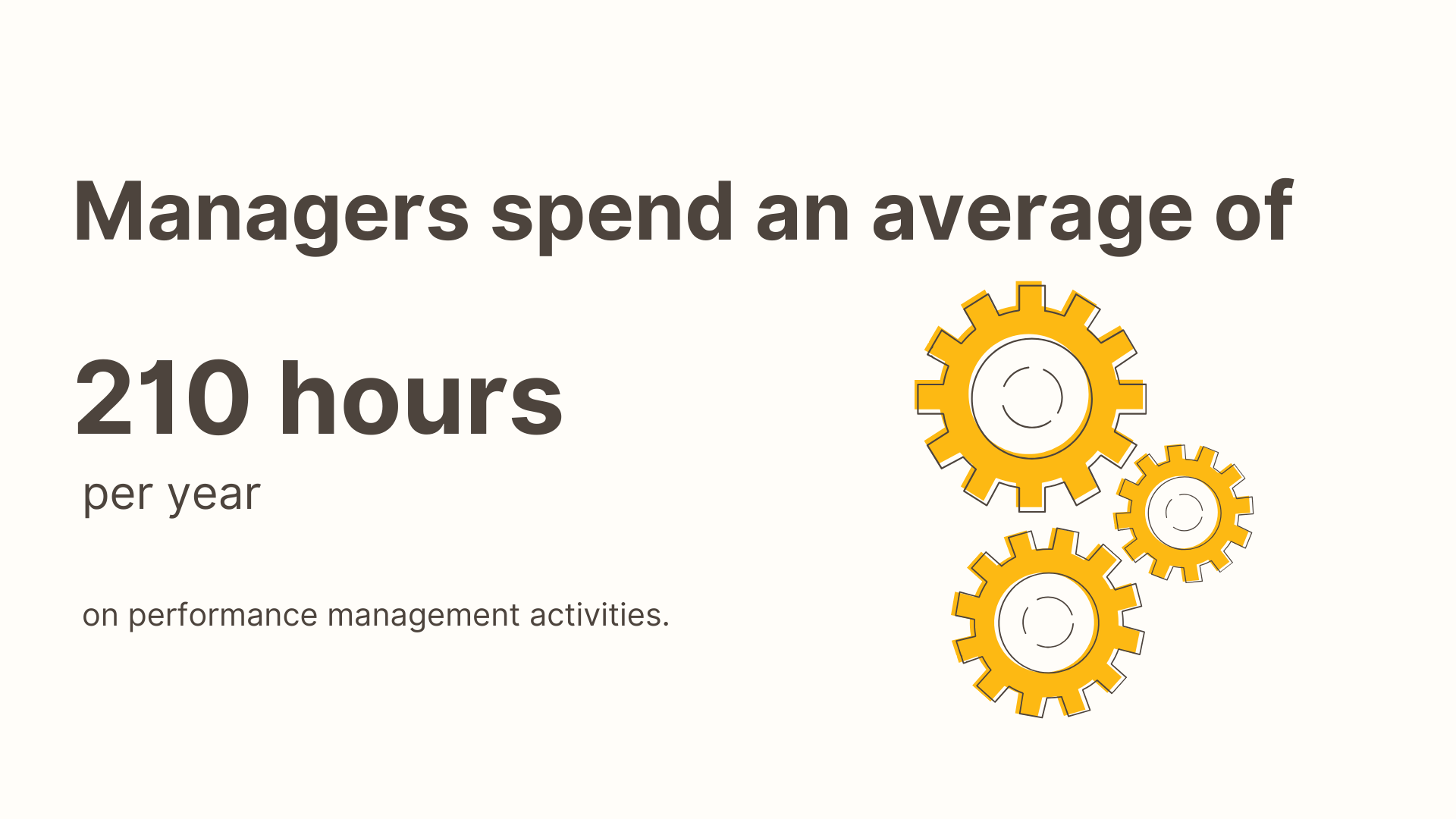
How significant? One report found managers spend an average of 210 hours per year on performance management activities.
That’s a lot of time that might otherwise be spent on coaching, strategizing, or other productive work.
For employees, a poorly executed appraisal can be stressful, demotivating, or even traumatic. Harsh criticism, vague feedback, or surprise low ratings can demoralize staff.
Sadly, surveys have documented extreme reactions: 22% of employees have even called in sick to avoid a review, and 15% have broken down in tears over feedback.
While not everyone has such an extreme reaction, it shows the dread these evaluations can provoke. The stress is magnified if the appraisal is tied directly to salary increases or bonuses, making employees feel their livelihood is on the line.
This is why framing is crucial – appraisals must be constructive, with an emphasis on future development.
Expanding on the last point, traditional reviews focus heavily on what happened rather than what’s possible.
While it’s necessary to evaluate past performance, an overemphasis on looking backward can make the process feel stagnant and discourage risk-taking.
For these reasons, progressive organizations balance performance accountability with forward-focused development planning. Put simply, they ask not just “How did you do?”, but “Where do you want to go?”
How can organizations make staff appraisals more effective, fair, and even motivating? Below are some best practices that HR professionals and researchers recommend, based on what has been shown to work in modern performance management:
Answering what is a staff appraisal comes down to this: supporting employees and aligning their growth with company goals. When you strip away the forms and formalities, it’s simply a structured conversation on past progress and future potential.
As we’ve seen, staff appraisals are essential tools for organizational success, but their form must evolve with workplace realities. The shift from annual reviews to continuous feedback reflects broader changes in how we work and what employees expect today.
Therefore, organizations that embrace this evolution will not just evaluate performance – they will build cultures where feedback leads to growth, engagement, and long-term business impact.
Senior Content Writer at Shortlister
Browse our curated list of vendors to find the best solution for your needs.
Subscribe to our newsletter for the latest trends, expert tips, and workplace insights!

Weighing the pros and cons of a disregarded entity can help make a more informed decision in selecting the type of business entity that would be the best choice for new business entrepreneurs.

Explore the purpose and significance of a 147c letter, understand what it is, and when you should request one.

Discover how, if done correctly, effective performance management can benefit both employers and employees.

Explore the perks and potential concerns of payroll tax holiday and their significance for workers and companies.
Used by most of the top employee benefits consultants in the US, Shortlister is where you can find, research and select HR and benefits vendors for your clients.
Shortlister helps you reach your ideal prospects. Claim your free account to control your message and receive employer, consultant and health plan leads.