
40 HR Technology Statistics Every HR Team Should Know
Equip your HR team with essential statistics in HR technology that will empower you to make informed decisions for your organization’s success.
COO, Docsity
Founder & CEO, Wethrift
Community Advocate, Traffic Think Tank
Founder, eLearning Industry Inc
Managers play a critical role in transforming a company’s vision into results. Yet, how often do we see a star employee promoted to manager, only to struggle in their new role?
It’s a common scenario, and a costly one, too.
Nearly 60% of new managers fail within their first two years, often due to inadequate training and support.
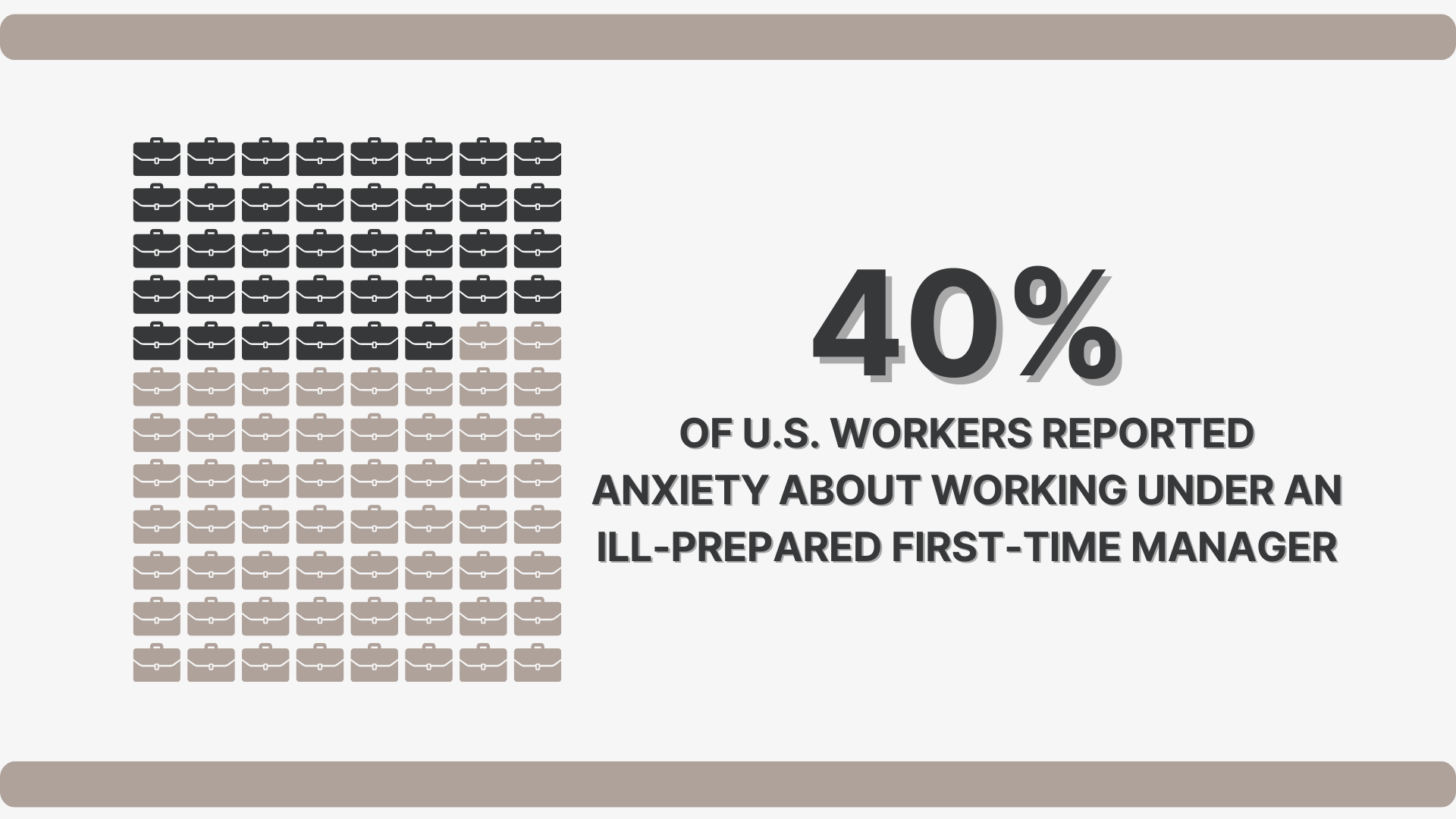
The impact of an unprepared manager can be felt by their teams, too. In one survey, 40% of U.S. workers reported anxiety about working under an ill-prepared first-time manager.
One effective way to close the development gap and speed up leadership growth is through a 90-day development plan for managers.
A 90-day development plan for managers is a structured plan designed to guide new or evolving leaders through their first three months in a role.
These plans break that timeline into three phases: learning, applying, and delivering.
Unlike vague onboarding checklists, these individual development plans (IDP) for managers define specific goals for each month and offer a timeline.
An IDP typically includes:
By writing down a plan, managers and their organizations create a shared understanding of what “success” looks like after three months.
While they’re often used during transitions, 90-day plans can be just as effective for upskilling existing managers or recalibrating performance.
As many as 44% of first-time managers felt unprepared for their role, and 87% wished they’d had more training before becoming managers.
You may be wondering why a 90-day development plan for managers is necessary. The early days of any new role are high-stakes, and small decisions and behaviors can shape long-term outcomes more than you think.
Unsurprisingly, there is a plethora of research documenting what happens when manager development is handled with a sink-or-swim approach.
Poorly trained managers contribute to employee stress, turnover, and lost productivity. In fact, in a 2023 survey, over one-third of workers said an unskilled new manager made them want to leave their company.
On the other hand, leaders who receive structured development become multipliers for the business and drive higher engagement and results.
Gallup researchers found that organizations making a strategic investment in employee development saw 11% greater profitability and double the employee retention compared to those that didn’t.
Development plans are becoming essential not just for performance but also for attraction and retention. Millennial managers, now dominant in leadership roles, expect more than just a title; they want guided and structured growth.
In fact, nearly nine in ten millennials say professional development or career growth is “very important” to them in a job. A 90-day plan delivers what younger generations value most: clear expectations, feedback, and a visible path forward.
The foundation of a 90-day manager plan is the 30-60-90-day framework.
It divides the three-month journey into three phases, each approximately 30 days long and with its focus and milestones.
The priority during the learning phase is to understand the business, people, and culture.
Managers should schedule one-on-ones, absorb team dynamics, and ask more questions than they answer. Using career assessment tools can uncover strengths, gaps, and blind spots for both themselves and their teams.
Key actions:
With more context about the company, managers can shift from learning to a low-stakes execution mode. They can start leading meetings, offer early feedback, and aim for a “quick win.”
These minor victories, like resolving a team issue or changing certain processes to save time, are low-hanging fruit but essential for building confidence and trust, both for the manager and the team.
It’s also a good time to explore career coaching to work through real-time challenges and leadership blind spots.
In short, the second phase is where leadership presence begins to emerge.
Key actions:
The last 30 days of the plan are all about implementation and results.
The introductions are done, new practices have been tested, and now it’s time to deliver concrete outcomes.
For example, a sales team manager might implement a new sales coaching process and report an increase in pipeline numbers or closed deals. An operations manager might fully roll out a new workflow that reduces errors or speeds up delivery times.
In other words, this is the phase where managers should deliver measurable results and outline the next steps for ongoing success.
The transition from observer to decision-maker should be evident at this point.
Key actions:
The right development approach varies based on the context and circumstances of the role. It depends on whether you’re leading a start-up, fixing a dysfunctional team, or stepping into an already successful team.
This is why each plan should be tailored to the context.
While the development plan for managers should reflect their unique situation, certain foundational goals appear in nearly every 90-day roadmap.
Nearly all managers benefit from improving their communication skills. This goal might include becoming a better active listener, learning to give constructive feedback, or increasing transparency with the team.
Evidence: Track 1:1s, team feedback surveys, or presentation recordings
Managers should model growth by setting a personal development goal with a clear timeline (e.g., public speaking, analytics, coaching).
Evidence: Certifications earned, workshops attended, skill assessments
An important goal is to encourage the team to think beyond issue resolution and build lasting trust with customers.
Evidence: Customer testimonials, retention impact, case studies, stakeholder feedback
Managers need to see the bigger picture. Move past the to-do list to consider broader organizational goals and long-term planning. Encourage prioritization frameworks (e.g., Eisenhower Matrix, OKRs) across the team.
Evidence: Updated team OKRs, clearer roadmaps, reduced goal drift
Build credibility by making timely decisions, sharing the rationale, and owning the results.
Evidence: Decision memos, post-mortems, improved cycle time from problem identification to resolution
Breaking the plan into weekly actions can make a 90-day development plan for managers even more actionable.
Weeks 1-2: Complete deep onboarding and stakeholder mapping, and meet with HR to review development plan objectives and success criteria.
Weeks 3-4: Evaluate the team’s strengths and friction points. Start formal training and coaching sessions, and observe top managers in action.
Weeks 5-6: Apply new skills in real but low-stakes settings. Take ownership of a team initiative.
Weeks 7-8: Take the lead in team meetings. Begin managing deliverables and timelines and work through early delegation and conflict challenges.
Weeks 9-10: Start tracking results. Review what’s working and address any skill gaps identified during practice sessions.
Weeks 11-12: Present progress summary to leadership and plan for continued development.
How do you know if a 90-day plan is working? The most effective way is by tracking KPIs that tie leadership growth to team and business outcomes.
Useful indicators include team engagement scores, retention of key talent, improved delivery times, and progress on leadership competencies like communication or strategic thinking.
“In the first 90 days, tracking the right growth indicators can make a world of difference,” says Paolo Muoio, COO of Docsity. “Communication effectiveness and team engagement often signal how well a manager is landing in the role.”
Set KPIs early, such as “increase project delivery from 80% to 90%” or “complete X training modules”, and check progress mid-plan.
Quantifiable wins, even early ones, make the value of manager development visible to the business.
Leadership transitions are as old as leadership itself.
Transitioning into a new role has always come with challenges, but in today’s fast-paced, complex business landscape, it’s arguably tougher than ever.
So, if stepping into your new role feels overwhelming, you’re not alone.
However, preparation is the key to success, and this starts with recognizing some of the most common traps new managers fall into.
“New managers often underestimate the emotional responsibility that comes with leadership,” says Christopher Pappas, Founder of eLearning Industry Inc.
“Many focus solely on completing tasks and overlook the importance of providing their team context, clarity, and consistent support. Strong leadership begins with awareness and thoughtful observation.”
According to Leigh McKenzie, Community Advocate at Traffic Think Tank, “A common trap for new managers is thinking their job is to get everything right from the start. That mindset slows them down and isolates them. What works better is treating their early weeks like a listening tour with a learning compass.”
Leigh advises, “The smartest managers document what they “don’t” yet understand, how influence flows, which processes are sacred, where past conflicts still linger.”
“New managers may feel pressured to approve every decision,” says Nick Drewe, Founder and CEO of Wethrift. “That slows down processes and stifles team creativity. Instead, trust your team, delegate effectively, and foster an environment where everyone feels encouraged to contribute.”
Launching a development plan for managers is a smart move, but how you execute it matters just as much as what it looks like.
The strongest plans are clearly connected to company goals, with growth objectives that support broader business priorities.
In addition, manager development shouldn’t be a solo effort.
Support from direct leaders and senior managers can make or break the experience. Leaders who stay connected through check-ins, encouragement, or even quick recognition create the kind of trust that helps managers take meaningful risks and learn from them.
The right tools also matter.
Whether it’s coaching, career pathing software, or simple tracking software, the best resources reduce friction and provide structure to the process.
Finally, every plan should leave room to adapt. Sometimes priorities shift, or a manager’s learning style calls for a change in format.
The 90-day mark isn’t the finish line. In fact, one of the signs of a successful 90-day plan is that it creates momentum and a habit of development that continues well past the initial timeframe.
Beyond 90 days, managers should continue to build on the foundation they’ve established in the first three months.
Now’s the time to reassess goals, deepen development, and expand impact. Encourage participation in virtual career fairs, leadership accelerators, or stretch assignments. If the manager excels at team development, let them mentor others.
Above all, companies need to build a culture where growth doesn’t stop after the 90 days are up.
Senior Content Writer at Shortlister
Browse our curated list of vendors to find the best solution for your needs.
Subscribe to our newsletter for the latest trends, expert tips, and workplace insights!

Equip your HR team with essential statistics in HR technology that will empower you to make informed decisions for your organization’s success.

Look ahead to the promising future of PEOs, uncover industry trends, and examine the numerous PEO benefits they offer businesses, solidifying their role as strategic allies.

With a free plan, a unique platform, and rewards that target frontline workers, Guusto stands out as a valuable employee incentive tool in the workplace.

From traditional benefits to personalized rewards to creative team challenges, these employee incentive ideas can motivate individuals and teams, leading to better performance and organizational growth.
Used by most of the top employee benefits consultants in the US, Shortlister is where you can find, research and select HR and benefits vendors for your clients.
Shortlister helps you reach your ideal prospects. Claim your free account to control your message and receive employer, consultant and health plan leads.