
The Performance Management Process: Tips & Best Practices
Explore actionable insights and expert advice to streamline your performance management process for enhanced employee productivity and organizational excellence.

In most companies, communication flows through multiple layers of management. While the hierarchy maintains operational order, it can unintentionally produce blind spots.
Employees may feel that their ideas or challenges never make it past their immediate supervisor.
At the same time, leaders make decisions based on filtered information that don’t always reflect the actual workplace experience or operational realities.
To address this, many companies use skip-level meetings as a direct channel between workers and senior leaders that closes the gap.
Understanding what a skip-level meeting is, along with its purpose, benefits, and best practices, can help employers strengthen trust and engagement at every organizational level.
What is a skip-level meeting?
Simply put, it’s a meeting that allows employees to speak directly with their manager’s manager, bypassing the immediate supervisor.
As the name suggests, it skips a level within the company’s regular hierarchy.
Therefore, the structure typically involves scheduled, private conversations between the skip-level manager and individual team members, without including the middle manager.
In some cases, it can also occur between employees at different levels who don’t usually communicate with each other.
Unlike performance reviews or one-on-one meetings, these conversations usually focus on employee experience, workplace culture, or organizational processes, instead of individual tasks or performance. This way, leadership receives insights they might not regularly hear in reporting structures, while employees get a sense of greater visibility and inclusion.
The significance of skip-level meetings derives from their capacity to generate meaningful outcomes for every participant, regardless of their position within the organizational hierarchy.
For executives, they act as an early warning system since they provide unfiltered insights into team workflows that may not reach them through traditional reporting.
Leaders can also use a skip-level meeting to understand their employees’ experiences, gather feedback about management effectiveness, and identify areas that need more support.
For middle managers, the meetings provide indirect feedback about their leadership approach and management practices. While these conversations are not designed to bypass or undermine them, they can reveal areas that could benefit from executive coaching or talent development opportunities.
For employees, the conversation with a skip-level manager allows them to voice concerns, provide honest feedback, or share ideas without filtering through multiple management layers or the pressure of immediate performance evaluation.
Overall, it’s less about hierarchy and more about creating a clear channel for feedback and understanding the workplace experience firsthand.
The relationship between employees and executive leadership directly influences organizational performance.
Although upper management cannot realistically maintain close connections with every employee, especially in large corporations, it’s still necessary that they remain connected to the workforce.
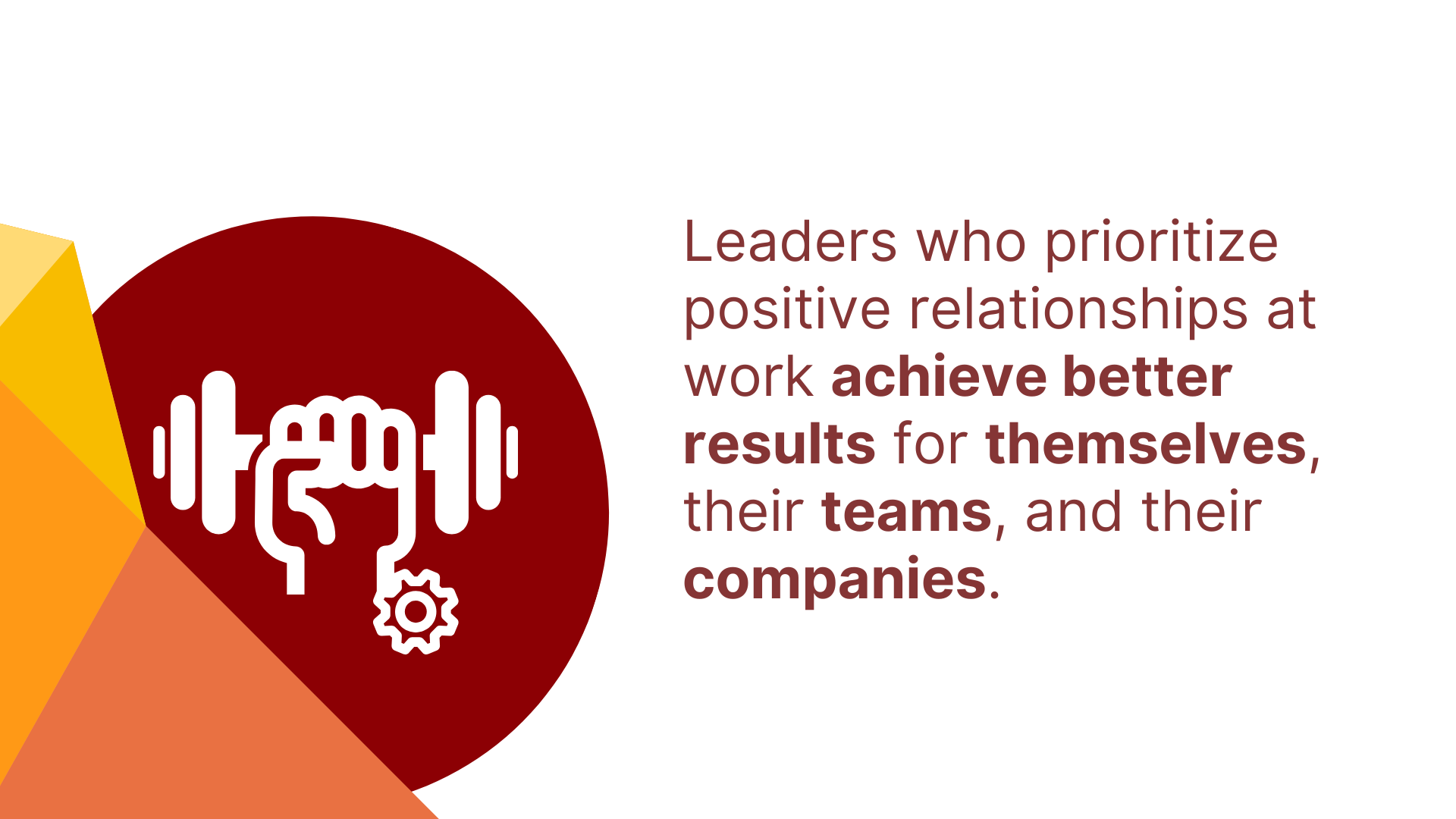
Harvard Business Review reports that leaders who prioritize positive relationships consistently achieve better results for themselves, their teams, and their companies.
Workers under such leadership are more loyal, productive, and less likely to leave, while companies see higher client satisfaction and stronger financial performance.
In support of these findings, research on managers’ and senior leaders’ impact on employee engagement shows that they get the best results when they are supportive. Engagement grows when leadership shows genuine concern for employee well-being, listens to their opinions, and provides recognition.
Skip-level meetings provide a practical framework for putting these benefits into action.
They create direct lines of communication, allowing leaders to gain unfiltered insights into the effectiveness of team dynamics, challenges, and opportunities. At the same time, workers feel heard and valued, which can reinforce trust and engagement.
According to Forbes’s Coaches Council experts, other benefits include increased trust, identifying strengths and addressing challenges, promoting a people-first culture, enhancing transparency, keeping leadership accountable, and aligning expectations.
These meetings become even more beneficial when paired with the right tools, such as performance management software or employee engagement platforms. They allow leaders to combine qualitative feedback from workers with quantitative data, supporting more informed decision-making and effective progress tracking.
Leading a skip-level meeting requires adequate preparation before, active listening during, and a thoughtful follow-up after the discussion.
Each phase should be intentional and structured to ensure the meeting stays productive and meaningful.
By keeping these principles in mind, leaders can guide the conversation effectively while creating space for honest dialogue.
A successful meeting begins with thoughtful preparation.
The individual hosting it should review team structures, recent projects, and relevant feedback to understand each participant’s role and responsibilities. Part of this preparation involves identifying the most effective questions to ask in a skip-level meeting, ensuring the conversation stays focused and productive.
An HR representative may assist with the logistics, but the leader sets the agenda and directs the discussion.
Scheduling the meeting well in advance, sharing the brief agenda, and encouraging employees to prepare questions helps them ease their anxiety and sets clear expectations.
At the same time, planning 30 to 45-minute sessions in a neutral, comfortable space secures enough time for meaningful conversation without creating pressure.
Once the meeting begins, the skip-level manager must clearly state the purpose and reinforce the importance of confidentiality.
During the conversation, they should focus on active listening, ask open-ended and follow-up questions, and allow pauses for thoughtful answers.
Although taking notes is encouraged to capture insights, it shouldn’t make the employee feel evaluated or uncomfortable. Therefore, maintaining neutral body language and tone creates a safe environment, while clarifying questions encourages understanding rather than defensiveness.
A short follow-up after the meeting (thanking participants and providing updates on next steps) signals respect for their contributions and commitment to acting on their feedback.
Leaders should share the observed patterns during these meetings with the employees’ direct manager. The goal is to turn these observations into constructive insights and potential improvements, not criticism.
The efficiency and impact of a skip-level meeting largely depends on the quality of the conversation. Careful attention should be given to the choice of questions, as poorly framed ones can undermine the discussion.
Questions that steer employees toward specific answers, encourage gossip about colleagues or managers, or touch on performance evaluations better addressed in formal reviews should be avoided.
The purpose is to create a safe space for open, honest feedback without causing tension.
While skip-level meeting questions should be unique to each company and its needs, the examples below offer a starting point across common themes. They are designed to encourage actionable dialogue while avoiding sensitive or inappropriate topics.
In what ways does your manager support or enable your success?
How could communication between you and your manager be improved?
In which areas could you use more guidance, clarity, or feedback from your manager?
Are there practices your manager could adjust to help you or your team work better?
Do you feel you have opportunities to grow within the company?
Which opportunities have helped you grow the most, and where do you see gaps?
What skills or experiences would you like to develop over the next year?
Are there projects or responsibilities you wish you had more exposure to?
Do you have ideas to make your team’s work more effective or impactful?
What opportunities do you see that we might be missing?
What ideas do you have that you haven’t had the chance to share?
If you were leading this team, what would you do differently?
What motivates you most about working in this company?
How would you describe our team culture to someone considering joining the company?
How does your team’s culture support or challenge your day-to-day work?
What could leadership do differently to help you feel more engaged or supported?
What processes or systems create unnecessary friction in your work?
Are you getting the support you need from our current systems and tools?
What changes would make your daily work more efficient?
Skip-level meetings can easily lose their impact without a structure or a lack of intention. The following tips outline how to approach these meetings in a way that makes them productive for everyone involved.
Meetings already take up an extraordinary share of employees’ time, and even more so for leaders. Research by Harvard Business Review shows executives spend nearly 23 hours a week on this, compared to less than 10 in the 1960s.
Therefore, holding quarterly or semi-annual meetings ensures everyone stays connected without adding unnecessary strain to their time.
Leaders should enter these discussions with skip-level meeting questions that move beyond status updates.
Focus on what motivates employees, the challenges they face, or how culture influences their day-to-day work.
The emphasis should remain on listening, not directing, so employees feel heard and valued.
Workers must feel safe sharing their honest perspectives without fear of repercussions. At the same time, the skip-level manager should be mindful not to damage the employee’s relationship with their immediate manager unintentionally.
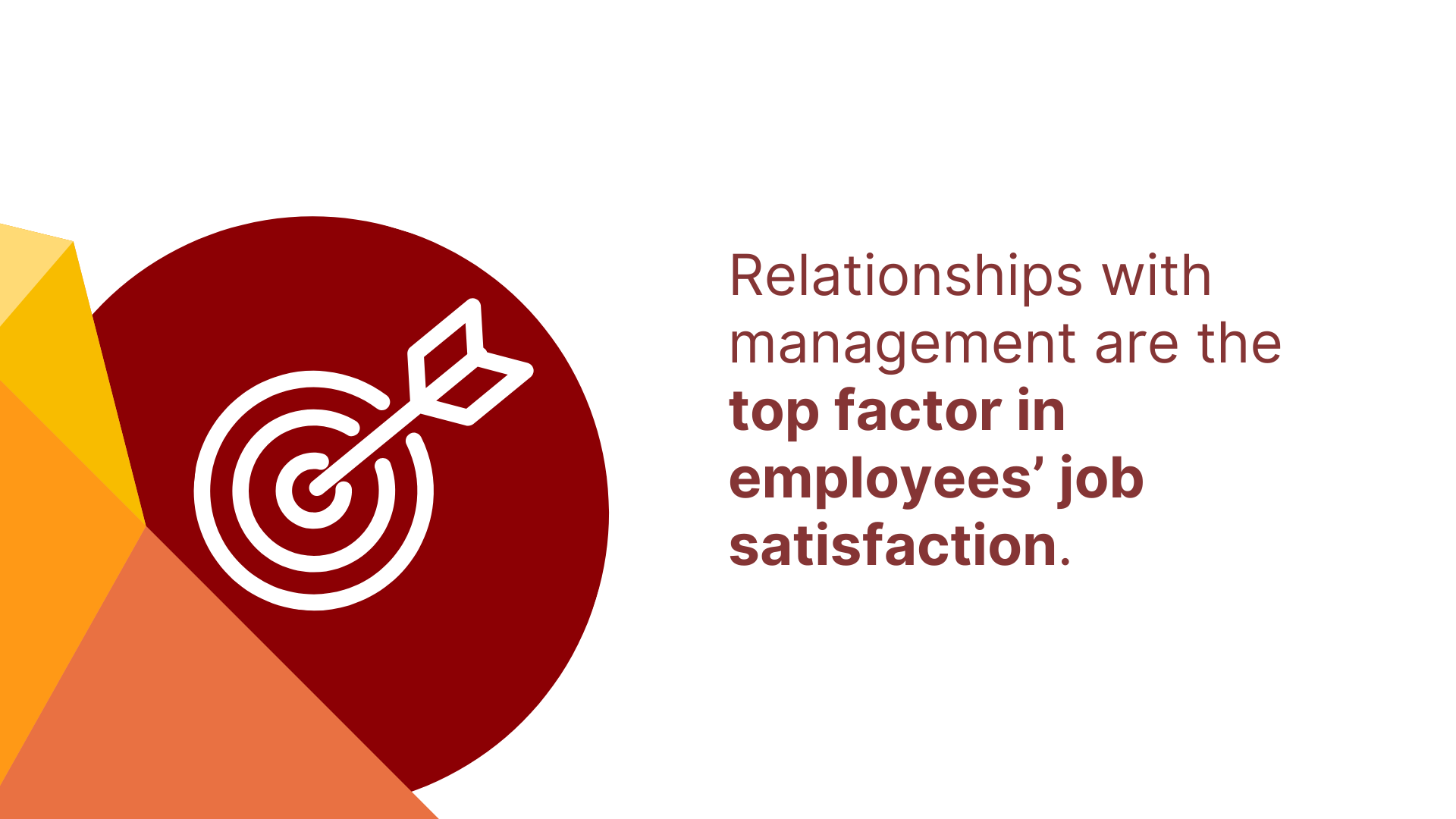
According to McKinsey research, relationships with management are the most important factor in job satisfaction. Therefore, if handled poorly, a skip-level meeting can undermine these connections and create unintended adverse effects.
Additional practices that make these meetings more productive include summarizing (anonymized) insights for managers, ensuring individual comments remain confidential, and following up on issues raised so employees can see that their input drives tangible action.
While preparation often falls on the manager initiating the meeting, reflecting on the discussion beforehand benefits all involved.
So, how should an employee prepare for a skip-level meeting?
The most practical steps they can take should be to reflect on recent experiences and consider which insights or feedback would be most valuable to share. Highlighting achievements and challenges helps provide a balanced view of their team and work environment.
It can also be helpful to offer constructive suggestions using specific examples to make the discussion actionable and meaningful.
At the same time, there are things employees should avoid doing.
For example, discussing personal grievances, criticizing a direct manager, or seeking individual recognition or advancement is inappropriate.
Approaching the discussion with professionalism and respect ensures the focus remains on relevant input rather than complaints or self-promotion.
When prepared thoughtfully, employees can make the most of the rare opportunity to share their perspective directly with senior leadership, turning the meeting into a constructive dialogue that benefits both themselves and the organization.
The following questions address typical concerns and misconceptions about what a skip-level meeting is. Understanding the common areas of confusion helps companies design these meetings for maximum impact and reduces participant anxiety.
Skip-level meetings can benefit a company only if they’re approached correctly. Problems arise when these conversations intentionally undermine managers, fail to maintain employee confidentiality, or use the feedback punitively rather than constructively.
The frequency of a skip-level meeting usually depends on the team size and organizational complexity. However, a quarterly, biannual, or annual schedule balances accessibility and practicality, ensuring this feedback remains current without overwhelming employees.
A senior leader who wants to connect directly with employees beyond their immediate reports typically arranges the skip-level meeting.
HR or the direct manager can also initiate it to encourage feedback, clarify expectations, or address topics that might not surface in regular one-on-one discussions.
Skip-level meetings are not a replacement for a performance review.
Performance reviews focus on individual goal achievement and career progression with direct supervisors who closely observe daily work.
Skip-level meetings are excellent for establishing rapport between a senior manager and an employee who otherwise wouldn’t normally connect.
The most effective organizations use both tools strategically.
Although the direct manager is not present at the meeting, they should still know about it to prevent misunderstandings and reinforce trust. However, all discussions between the employee and the skip-level manager should remain confidential.
If feedback reveals management development opportunities, senior leaders should frame discussions constructively and focus on coaching rather than criticism.
Skip-level meeting topics can range from organizational culture and employees’ experience to process improvement opportunities.
For example, leaders can ask questions to help them understand how company values translate into daily experience, identify barriers to effectiveness, gather feedback about management, etc.
These meetings should avoid discussing personal conflicts or questions that put employees in uncomfortable positions regarding their direct supervisor or involve confidential information about other team members.
Content Writer at Shortlister
Browse our curated list of vendors to find the best solution for your needs.
Subscribe to our newsletter for the latest trends, expert tips, and workplace insights!
Explore actionable insights and expert advice to streamline your performance management process for enhanced employee productivity and organizational excellence.
Elevate your performance management strategies with essential statistics. Stay ahead in optimizing productivity, engagement, and success in the workplace.
Learn practical techniques for enhancing productivity and effectively managing stress in the dynamic workplace environment, ensuring a balanced and thriving workforce.

In an ever-changing global economy, how can employers create a workplace culture that supports and encourages high levels of employee productivity, satisfaction, and retention?
We're working hard to make it easy for you. Sign up for news, trends and insights.